

Maldives No Longer at Risk of Bankruptcy, Says Finance Minister
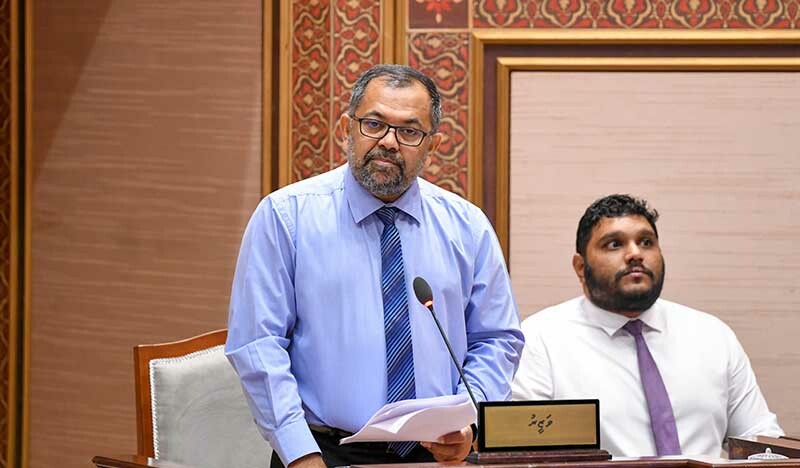
Minister of Finance Moosa Zameer stated that global financial institutions, including the International Monetary Fund (IMF) and credit rating agencies, have ceased issuing warnings about the Maldives’ risk of bankruptcy.
During a parliamentary session today, Zameer responded to questions from South Feydhoo MP Ibrahim Didi regarding the country’s debt situation. Zameer revealed that the Maldives’ debt burden stood at MVR 124 billion when the current administration took office in November 2023. He noted that half of this debt had been accumulated during the previous Maldivian Democratic Party (MDP) administration.
advertisement

Zameer explained that had the country been forced to settle its debt according to the original deadlines while maintaining public services, the IMF’s warning about potential bankruptcy could have materialised. However, he credited President Dr Mohamed Muizzu’s leadership for averting such a scenario.
The minister further clarified that the IMF and credit rating agencies have stopped warning about the country’s bankruptcy risk. “We are no longer facing the bankruptcy scenario that was previously discussed. The focus now is on reducing costs,” Zameer said. He attributed this positive shift to the government’s robust policies under President Muizzu’s leadership.
Despite these reassurances, the Maldives’ significant debt burden remains a critical concern. In 2025, the country faces an external debt service obligation of around USD 600 million, with over USD 1 billion due in 2026, including a USD 500 million sukuk. Both Moody’s and Fitch have downgraded the country’s credit rating, citing the risk of default.
In its October biannual update, the World Bank highlighted concerns about the Maldives’ rising public debt and high fiscal spending, especially in public sector investments and subsidies. According to the World Bank, the Maldives’ total public and publicly guaranteed debt reached USD 8.2 billion, or 116% of GDP, in the first quarter of 2024. The Finance Ministry estimates this will rise to 118% by the end of the year.
State-Owned Enterprises’ Diversification Concerns
Minister Zameer also expressed reservations about the Hajj Corporation’s decision to diversify into the guest house industry. The corporation, which is responsible for managing funds for Hajj pilgrimages, has announced plans to establish a city hotel in Maafushi, one of the Maldives’ largest tourist destinations, and invest in halal tourism.
Zameer emphasised the importance of state-owned enterprises (SOEs) focusing on their core areas of operation. “Hajj Corporation should prioritise its primary mandate, which is facilitating Hajj pilgrimages,” he said. He suggested that if the corporation has excess funds, it might be more beneficial to invest them with specialists in the tourism sector rather than directly operating in it.
The minister raised concerns about the broader implications of SOEs diversifying beyond their established mandates. “If companies like HDC, Hajj Corporation, and Fenaka start investing in guest houses and resorts, the results are unlikely to be positive,” he said. Zameer stressed that the board and shareholders of the Hajj Corporation must carefully assess whether such ventures are the best use of their resources.
The government has indicated that policy-level discussions will be held as part of its corporate reform agenda to address these concerns and ensure state-owned enterprises focus on their specialised roles.