


MWSRP Celebrates Milestone 800th Recorded Whale Shark in Maldives
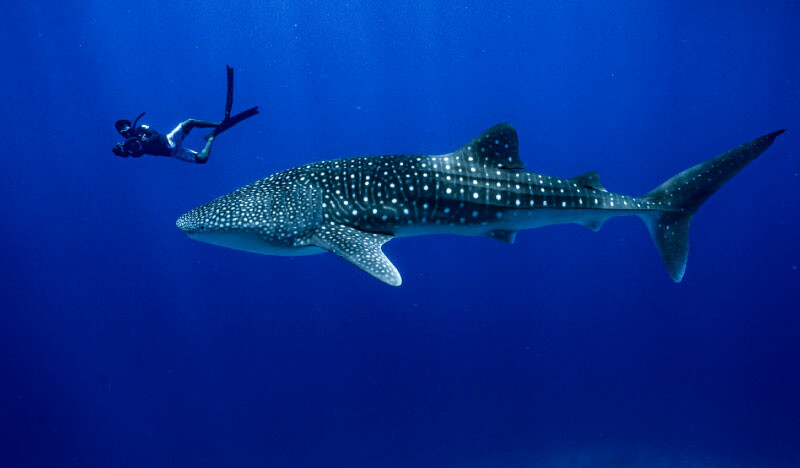
The Maldives Whale Shark Research Programme (MWSRP) has marked a major conservation milestone with the identification of its 800th individual whale shark, named Dhalhukan, added to the Big Fish Network after being sighted by the ScubaSpa Maldives dive team in Huvadhoo Atoll.
MWSRP is a research-based conservation charity and Maldivian NGO, established in 2013, focused on studying whale sharks and promoting community-led conservation across the Maldives. The organisation launched the Big Fish Network—a regional citizen science platform—to work closely with the tourism sector, recognising the value of collaboration between scientists, guides, and the public in understanding and protecting this vulnerable species.
advertisement

Since its inception, MWSRP has trained guides across the country to photo-identify whale sharks and record key encounter details. Each whale shark has a unique spot pattern on its flank, enabling both researchers and trained citizen scientists to identify individuals using non-invasive methods. Photographs and data are submitted through a user-friendly web portal to MWSRP’s central database, contributing to research on whale shark movement, habitat use, and population trends.
The process is simple: contributors photograph the shark, use pattern recognition software to match it to known individuals, and receive its name and key statistics. Users can then follow updates on that individual, sometimes years and thousands of kilometres after the initial sighting. This digital tracking system, currently in trial as a mobile app in the Maldives, has sparked global interest, with researchers exploring links to regional and international whale shark databases. With future potential to expand to other species, the platform represents a scalable model for non-invasive wildlife monitoring and conservation.
Contributors to the Big Fish Network—now numbering 239, including local guesthouses, resort guides, and dive operators—receive access to MWSRP’s full archive via an interactive Google Earth-based platform. This tool allows members to view individual whale shark life histories, improve excursion planning, and offer guests meaningful updates on recent sightings. The network also provides marketing incentives such as real-time sighting alerts, social media sharing, tour operator leaderboards, and downloadable guest-facing reports.
In 2023 alone, 648 encounters were logged through the network. Since Dhalhukan was recorded, the total number of identified individuals has risen to 812. The most frequently recorded whale shark in the database is Fernando, who has been sighted every year since 2008 and now has more than 370 documented encounters.
Despite the high number of sightings within Maldivian waters, there have been no recorded re-sightings of Maldivian whale sharks beyond the country’s Exclusive Economic Zone.
MWSRP continues to advocate for citizen science as a vital tool in conservation, enabling small research teams to access large-scale, consistent data. The organisation credits the ongoing success of the Big Fish Network to the dedicated efforts of contributors across the Maldives.
“We’re incredibly grateful to the citizen scientists who share their sightings with us,” said the MWSRP team. “Their involvement is essential in helping us better understand and protect whale sharks in the Maldives.”