

Government Submits Public Referendum Bill to Parliament, Here’s What’s in it
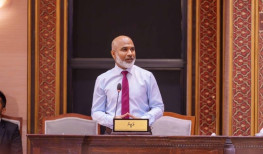
The government has submitted a new bill to Parliament that aims to establish a legal framework for conducting public referendums on significant national matters. The Public Referendum Bill, introduced at today’s sitting, was submitted on behalf of the government by Inguraidhoo MP Ibrahim Falah.
According to the government, the bill seeks to operationalise Article 262 of the Constitution, which provides for national referendums. The proposed law outlines the procedures and responsibilities of relevant parties—including applicants and the Elections Commission—in facilitating a public vote to determine the people’s stance on major policy or constitutional issues.
advertisement

The bill, comprising 39 articles, sets out several sweeping changes already announced by President Dr. Mohamed Muizzu. These include moving the presidential inauguration date from November 17 to November 11, holding presidential and parliamentary elections simultaneously, and eliminating the second round of the presidential election by introducing a new voting mechanism. While the Constitution mandates a five-year presidential term, it does not fix a specific inauguration date. The November 17 date became the norm following the 2013 presidential election, when court cases delayed the vote and extended the term of office beyond the original timeline.
President Muizzu has argued for formalising November 11—Maldives’ Republic Day—as the standard date for presidential inaugurations.
Under the bill, any proposed changes to the chapter on rights and freedoms in the Constitution, amendments regarding the age and term of parliament members, the duration of the presidential term, the presidential election process, the ratification of legislation by the president, and changes to national boundaries must be decided via public vote.
The legislation gives the president the authority to propose a referendum through a signed resolution on any issue deemed important to the nation. It also empowers Parliament to forward a bill for public voting if the president declines to ratify it.
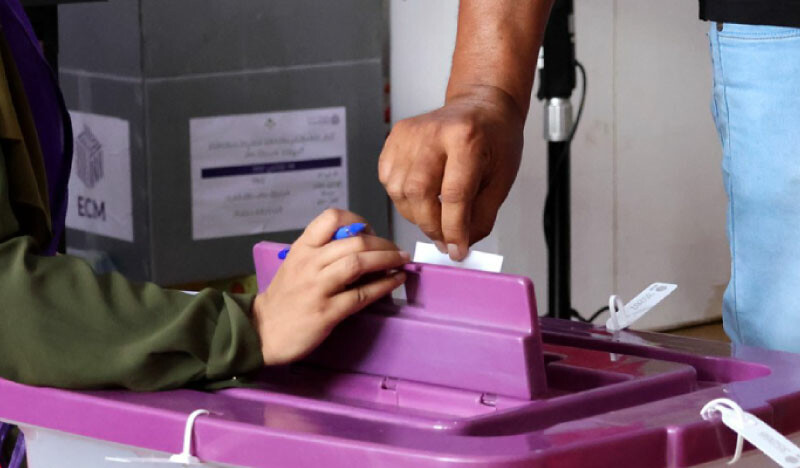
Key procedural details include a mandatory minimum of 45 days and a maximum of 90 days between the submission of an issue for referendum and the actual vote. Citizens aged 18 and above are eligible to participate through a secret ballot. Final results must be announced within 14 days of the vote.
President Muizzu has repeatedly expressed his intention to overhaul the electoral system, advocating for a preferential voting method that would eliminate the need for runoff elections. Speaking last year, Muizzu emphasised that selecting a president in the first round would be more cost-effective and less disruptive in a small country like the Maldives. He also pushed for aligning parliamentary and presidential elections, which are currently held just months apart, to reduce logistical and financial burdens.
The opposition, however, has strongly criticised the proposals, particularly the removal of the second-round runoff, arguing that it could weaken democratic safeguards and public consensus in the presidential race. Critics warn that the changes may tilt the electoral process in favour of incumbents and undermine the legitimacy of future elections.