

President Muizzu Scraps Dhonfanu Land Reclamation Project Amid Environmental Concerns
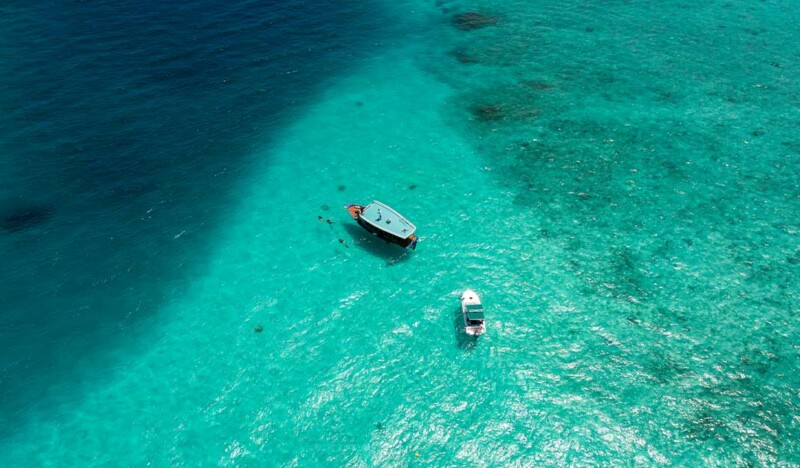
Drone view of Hanifaru Bay | Photo: MV+
President Dr Mohamed Muizzu has cancelled the planned land reclamation project in B. Dhonfanu following widespread concerns about potential damage to Hanifaru Bay, a UNESCO biosphere reserve near the island.
ބިން ހިއްކުން ކުރިއަށް ނުގެންދަވަން ރައީސުލްޖުމްހޫރިއްޔާ ނިންމެވުމާއި ގުޅިގެން ބިން ހިއްކުން ކުރިއަށް ނުގެންދިޔަ ނަމަވެސް ބަނދަރުގެ މައްސަލަ ޙައްލުކުރުމާއި، ގޮޑުދޮށް ޙިމާޔަތްކުރުން ސަރުކާރުން ކުރިއަށް ގެންދާނެއެވެ. https://t.co/YpF5yvIe7y
— Abdulla Muththalib (@muththo) September 9, 2025advertisement

The government had contracted the Maldives Transport and Contracting Company (MTCC) to reclaim 13 hectares of land on the island to address local housing needs. The project was announced during President Dr. Muizzu’s visit to B. Dhonfanu last month, and an agreement with MTCC was signed on 13 August.
The project faced strong public opposition, with a petition launched on 3 September calling for its cancellation. The petition warned that reclamation could cause irreversible harm to Hanifaru Bay, a vital marine habitat that supports endangered species including whale sharks, reef manta rays, napoleon wrasse, and protected marine turtles. It also highlighted the importance of the bay for the livelihoods of islanders who rely on fishing and tourism.
In a post on X, the President said that development projects are initiated in response to local requests and emphasised that the government would not pursue actions opposed by the public. He confirmed that the ministry would formally notify the B. Dhonfanu council of the project’s cancellation.
The petition outlined environmental risks such as sedimentation from dredging, which could disrupt the marine water cycle and threaten plankton populations. As plankton form the base of the marine food chain, any decline could have broad consequences for reef ecosystems and larger marine life.
Campaigners warned that the reclamation project posed environmental, economic, and cultural risks, threatening both the survival of vulnerable species and the long-term sustainability of communities closely tied to the sea.