
MP Falah Says Media Bill Will Not Shut Down Social Media Platforms, Critics Disagree
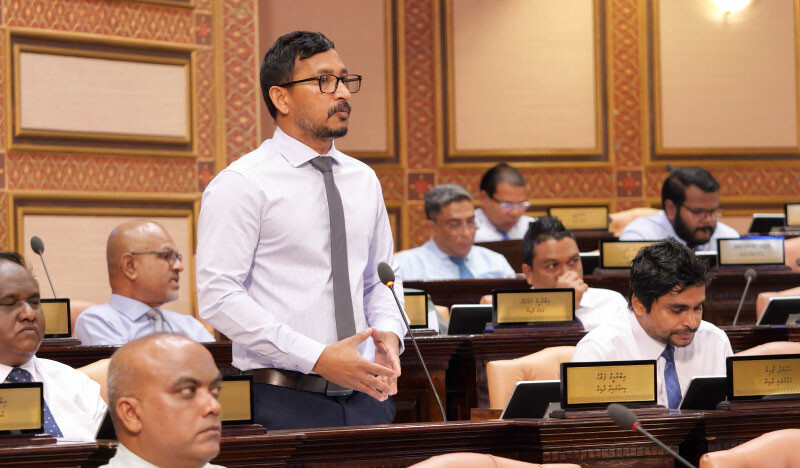
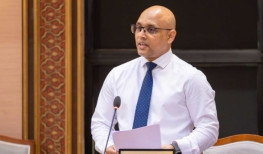
Parliamentary Majority Leader Ibrahim Falah speaking at a parliament session yesterday, August 27, 2025 | Photo: Parliament
The passing of the Media and Broadcasting Regulation Bill will not mean social media platforms in the Maldives will be shut down, said MP for Inguraidhoo constituency Ibrahim Falah this morning.
In a post on X, the parliamentary majority leader clarified that the bill submitted by independent MP Abdul Hannan does not include provisions to ban or suspend platforms such as Facebook (Meta), TikTok or X.
advertisement

advertisement

“Our beloved young citizens should continue to use social media as they have been,” he said, adding that President Dr Mohamed Muizzu fully supports the future that young people aspire to.
ލޮބުވެތި ޒުވާނުން އަދި ރައްޔިތުން
މިހާރު ރައްޔިތުންގެ މަޖިލީހަށް އަމިއްލަ މެމްބަރ ޢަބްދުލް ހަންނާން.
ހުށައަޅާފައިވާ މީޑިއާ ބިލުގައި. ސޯޝަލް މީޑިއާތައް ރެގިއުލޭޓްކޮށް. ފޭސްބްކާއި ޓިކްޓޮކް އަދި ޓްވިޓަރ އެކައުންޓްތައް. މިބިލް ރައްޔިތުންގެ މަޖިލީހުން
މިސާލަކަށް ފާސްވިއަސް…— Ibrahim Falah (@IbrahimFalahR) September 13, 2025
Falah went on to criticise the Maldivian Democratic Party (MDP), accusing it of misleading the public during past administrations. He claimed the MDP and former president Abdulla Yameen’s supporters are working against the current government as it pursues progress and investigates alleged corruption during the previous administration.
He also expressed confidence that Maldivians would not be swayed by what he described as political tactics by MDP activists.
“I am confident that you will not be deceived by the tactics of MDP activists who are wearing the crown of journalists,” he said.
Contradictory Articles in the Bill
Despite MP Falah’s assurance that the bill will not grant the power to shut down social media platforms, critics have raised concerns over poorly phrased and contradictory provisions.
Article 80, which outlines how certain terms in the bill should be interpreted, states in sub-article (e) that electronic media “denotes various forms of media such as audio, video, tapes, digital storage, and the Internet.” Opponents argue that this wording could be interpreted to include electronic media used by ordinary citizens, not only journalists.
Attorney General Ahmed Usham acknowledged that the bill submitted to parliament contained shortcomings but said his office had reviewed the draft and proposed key revisions. These include clarifying vague definitions, such as “electronic media,” and removing provisions allowing direct punitive action against individual journalists.
Usham added that, as with most bills, details would be refined and concerns addressed through dialogue and stakeholder input during the committee stage. He said the amendments were intended to prevent unnecessary intrusion into the media while protecting the public from harm and disinformation.
Local and International Criticism Against the Media Bill
The Maldives Media and Broadcasting Regulation Bill has faced sharp criticism from both local and international organisations, with concerns over its potential impact on media freedom.
Reporters Without Borders (RSF) urged the immediate withdrawal of the bill, warning it would place media regulation under executive control and grant the proposed Maldives Media and Broadcasting Commission extensive punitive powers. RSF highlighted that the commission, composed of three members appointed by the President, would lack independence and could undermine press freedom.
The International Federation of Journalists (IFJ) and the Maldives Journalists Association (MJA) also called for the bill to be withdrawn, stressing the need for an inclusive consultation with media professionals. A joint letter signed by 21 organisations warned that the bill’s proposed fines, licence revocations, website blocks, and retroactive sanctions could erode public trust and restrict independent reporting.
Locally, the Maldives Media Council (MMC) and MJA have been vocal in opposing the bill. The MJA submitted a petition signed by 151 journalists from 41 media outlets, urging President Dr Mohamed Muizzu and parliament to reject the legislation. President Muizzu has reassured journalists of his pro-media stance but emphasised that freedom of speech should operate within limits that respect the rights of others.
The bill, adopted on 27 August without prior consultation, is currently under review by the Committee on Independent Institutions, and they have scheduled to conclude the review by September 15.