
Journalists and Public Slam Media Bill, Defends Freedom of Expression
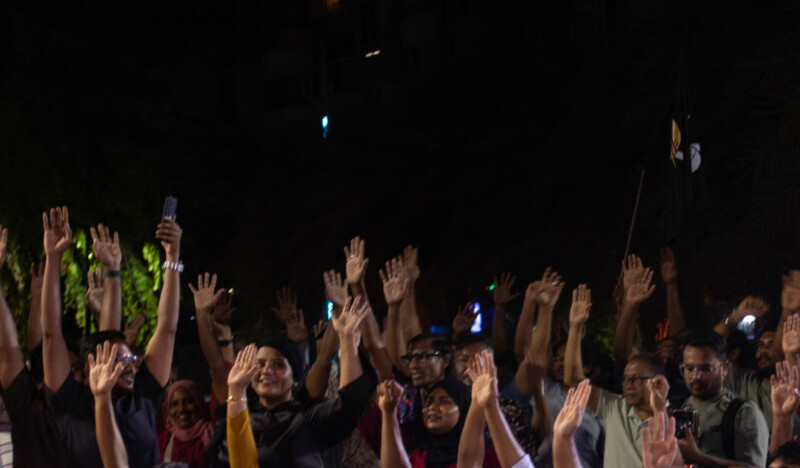
Attendees of the forum held by the Maldives Journalists Association (MJA) raise their hands in an informal vote to withdraw the Maldives Media and Broadcasting Bill from the parliament | Photo: MV+
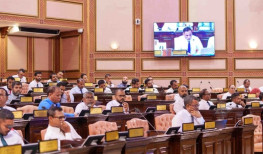
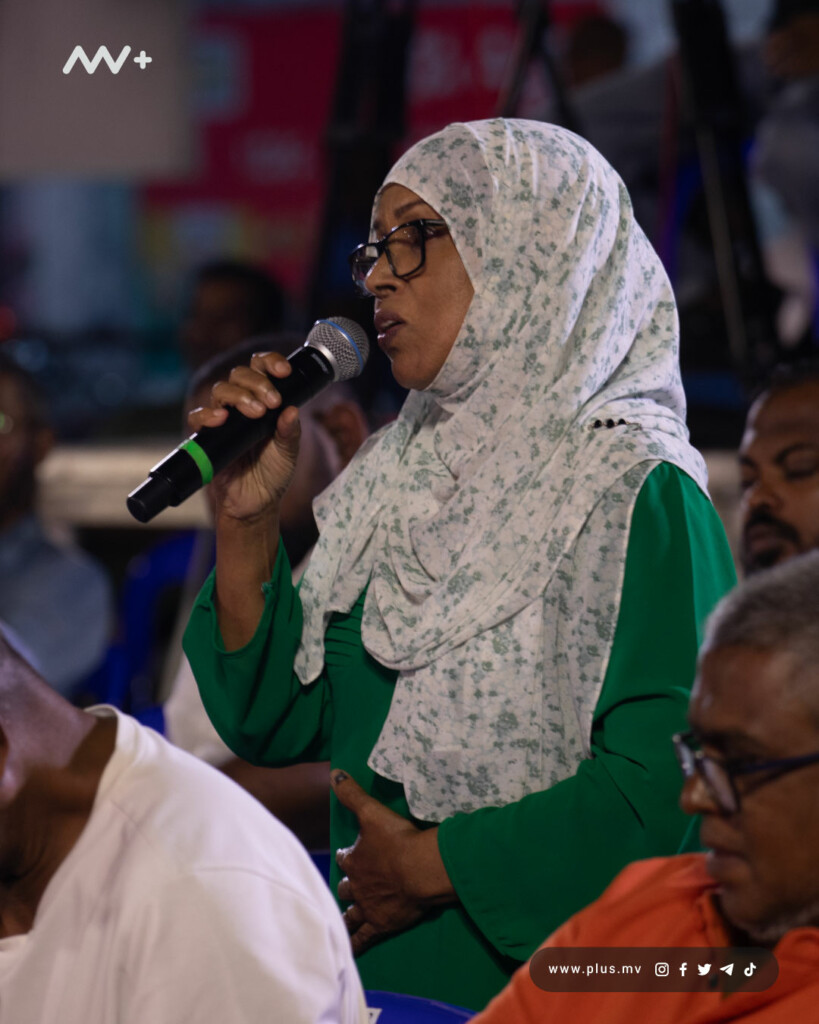
Journalists and the public defended freedom of speech and expression at a public forum held last night at the Artificial Beach, slamming the Maldives Media and Broadcasting Bill, which is currently being reviewed by the Parliamentary Committee on Independent Institutions.
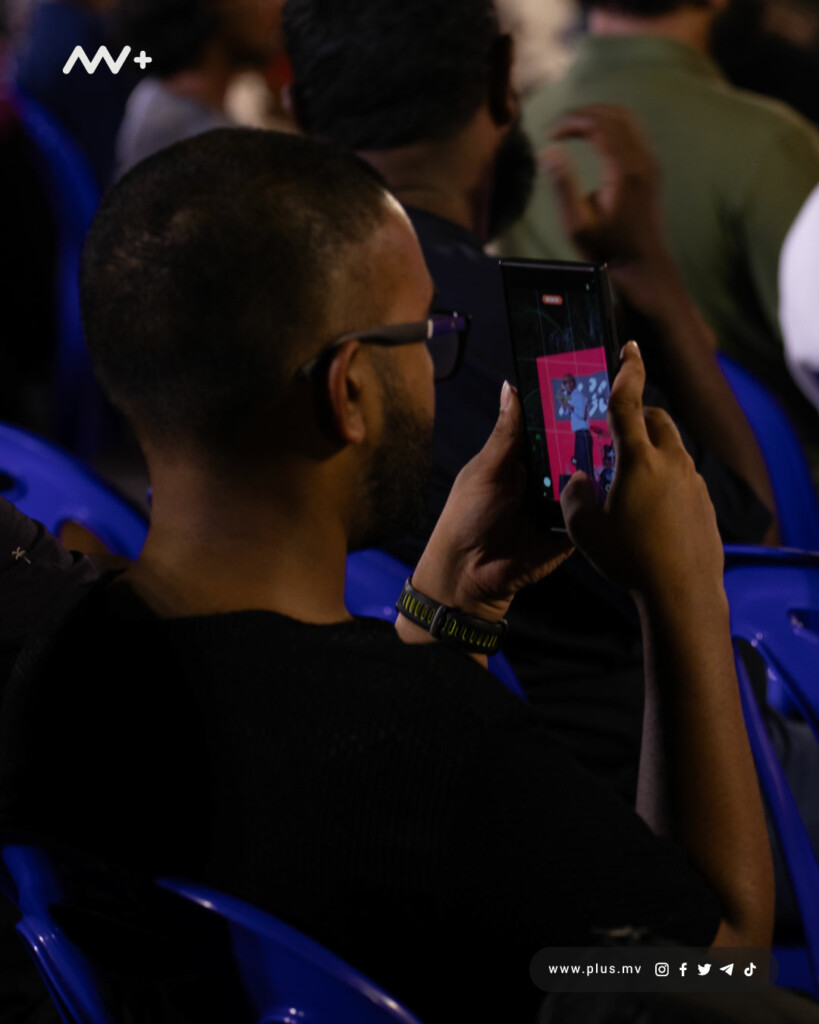
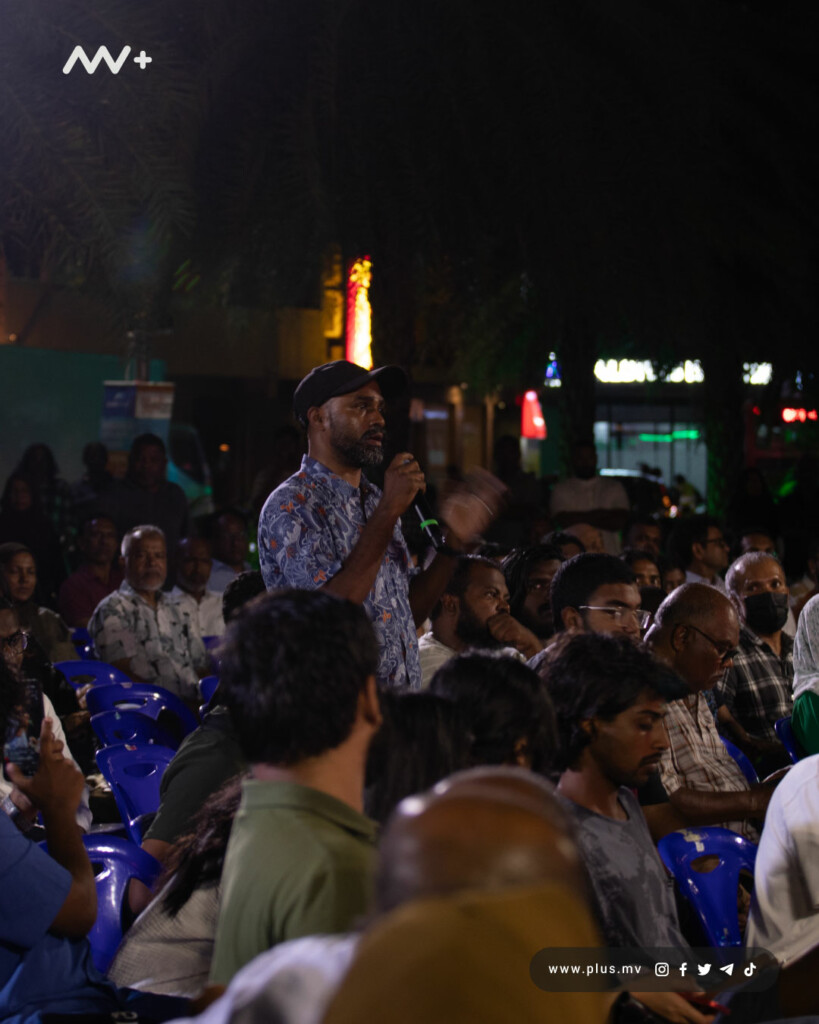
The forum, titled “Hiyaalu Faalhu Kurun Kafunah” (Death to Free Expression), featured contributions from journalists, lawyers, online content creators, and opposition political figures, in addition to an open mic session to answer questions by the public.
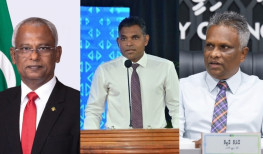
Former Attorney General Dr Ahmed Ali Savad, addressing the legal implications of the bill, warned that while it is presented as a regulatory framework for the media and broadcasting industries, its impact could extend to ordinary citizens. He said that although regulation is necessary in any sector, the bill appeared to have ulterior motives.
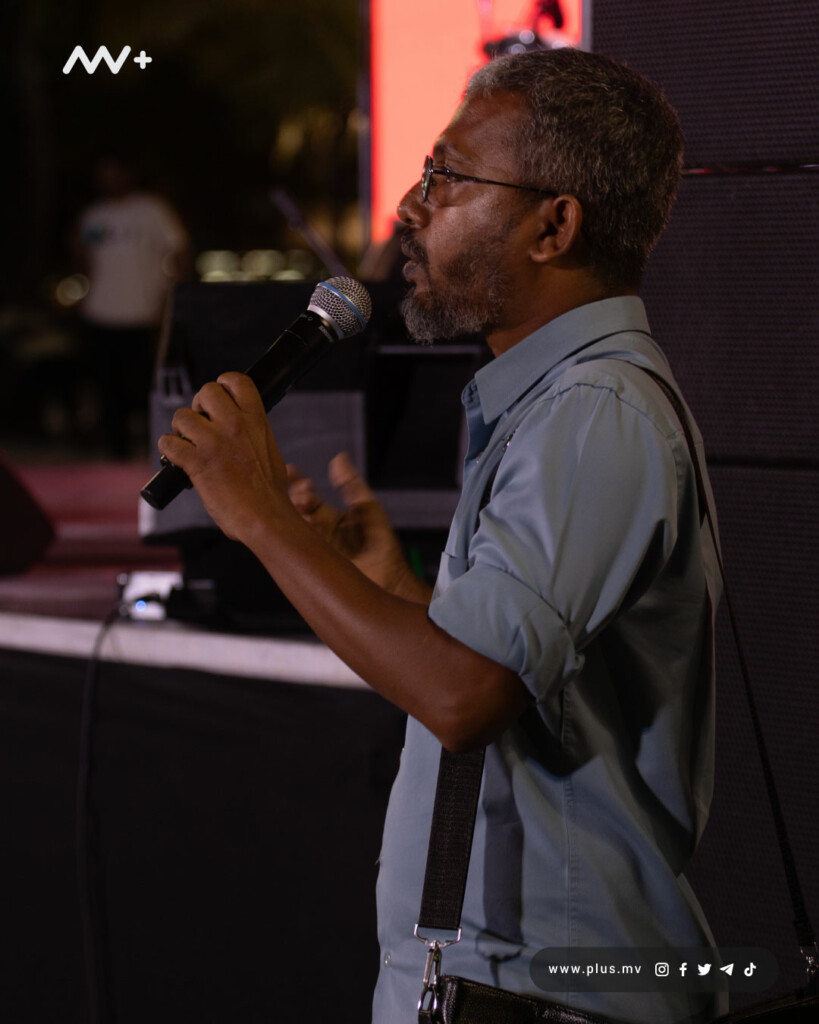
Savad stressed that journalists serve as a bridge between elected officials and the public, holding leaders accountable. He cautioned that if the bill is passed, journalistic freedom would be curtailed, breaking that bridge and depriving citizens of the information needed to make informed choices at elections.
He later also criticised provisions in the bill that allow for retrospective legislation, in which the newly formed Media and Broadcasting Commission would have the power to look into publications that had been published up to a year before the date the bill is implemented. He noted that this is retrospective legislation, something that the Maldivian constitution has no place for in its democracy.
“Meaning this is something the Republic of the Maldives, the democratic nation that is the Maldives, does not believe that it is acceptable to take legal action against over things that had passed before the law was enacted,” he explained.
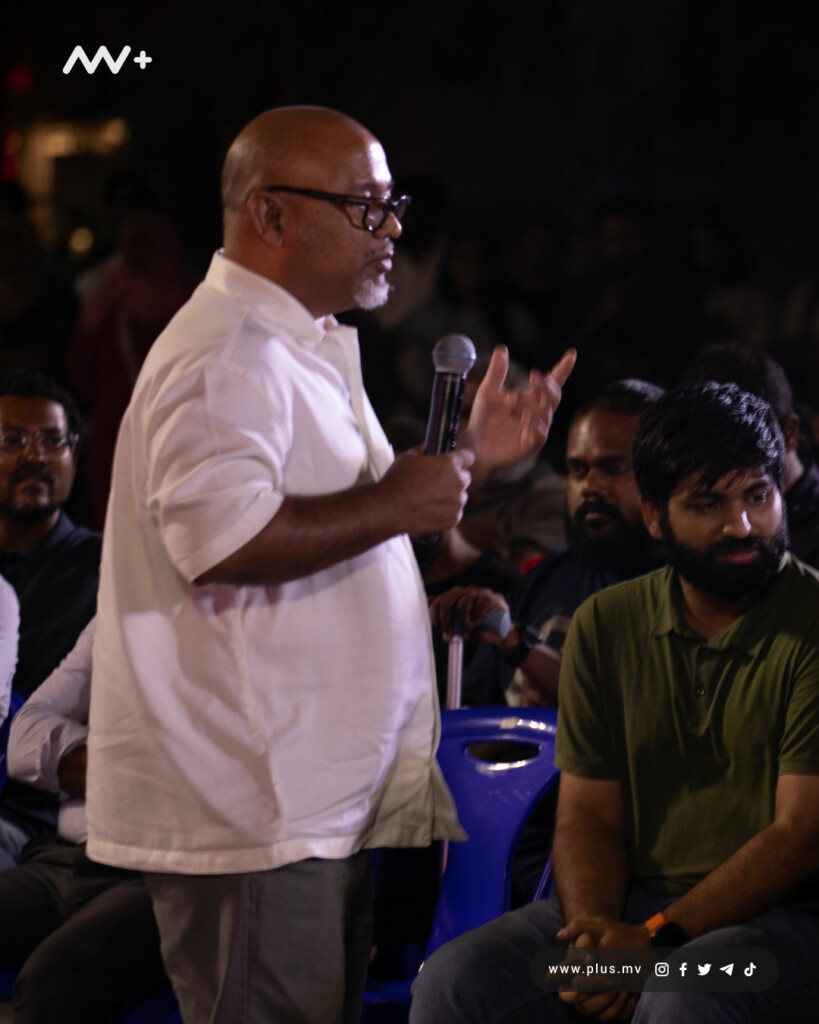
Lawyer Mariyam Shunana raised concerns over provisions that could regulate how information is shared online, despite government assurances that ordinary citizens’ opinions on social media would not be affected.
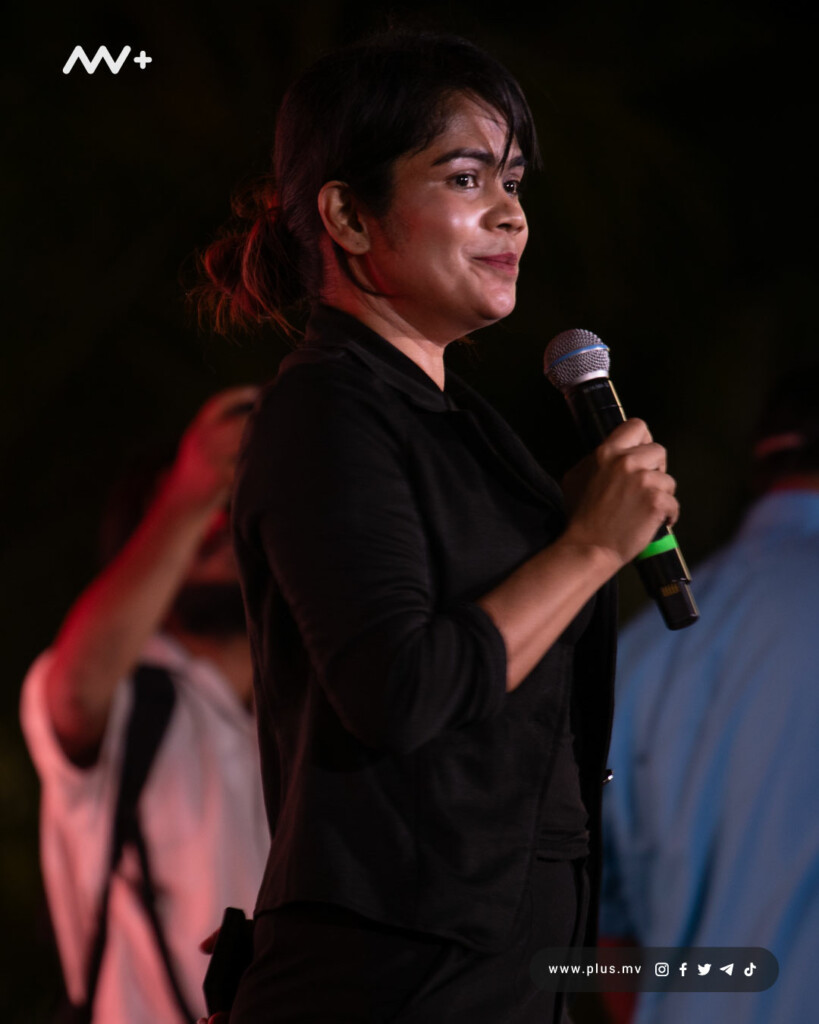
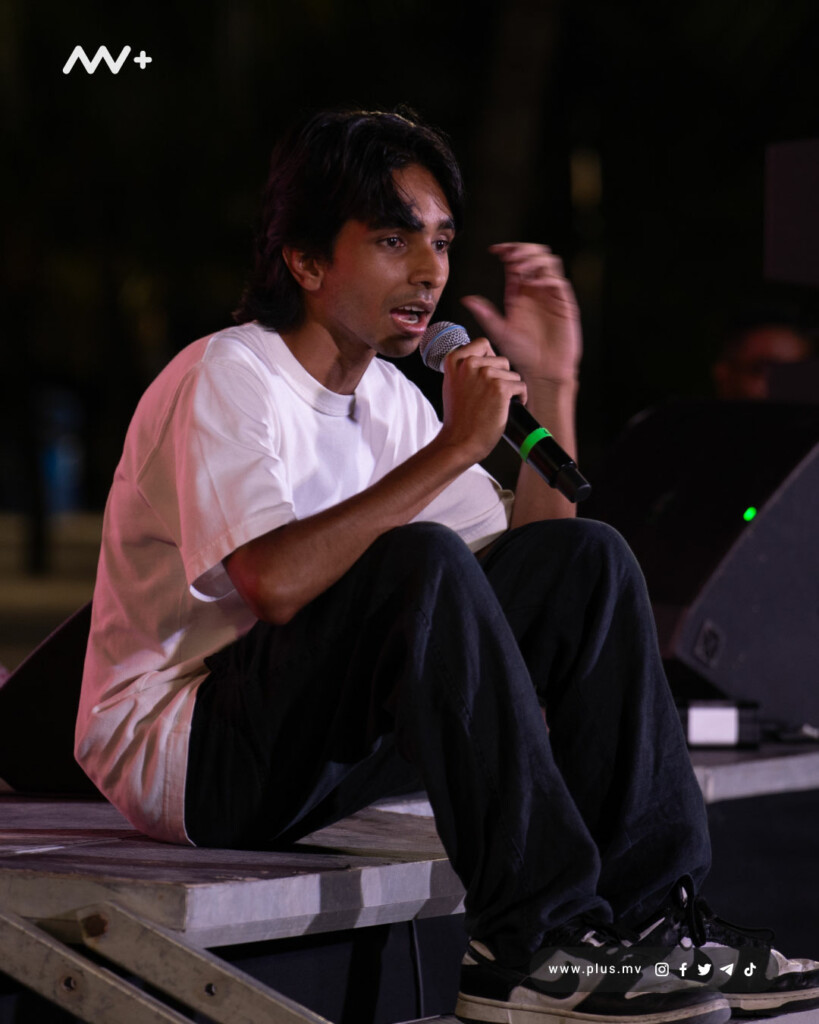
Young social media influencers also voiced apprehension. Content creator Afnan Latheef, known online as Dhinglish, said the bill would require individual creators to register with a government body before publishing content, which she argued contradicts international best practice and undermines both press freedom and freedom of speech.
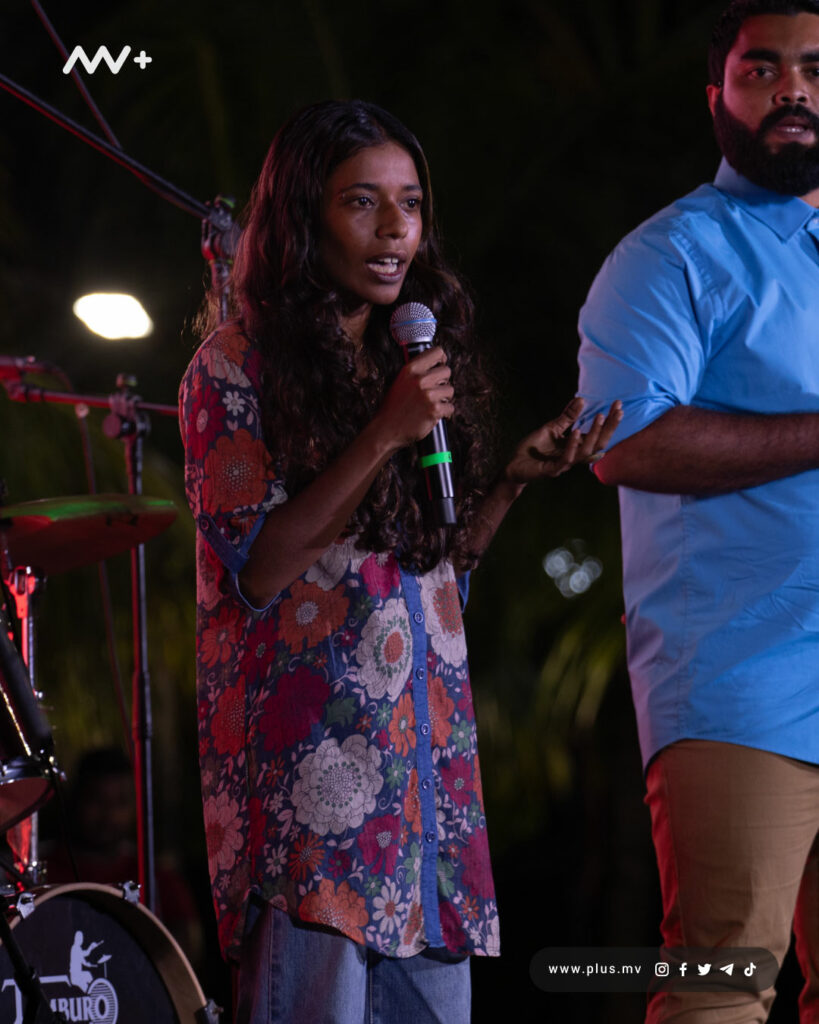
Senior journalists at the forum said the amendments suggested by the Attorney General’s Office fail to address key issues raised by the media. Hussain Fiyaz Moosa, CEO of Dhauru newspaper, warned that if enacted, the bill could prevent reporting on corruption and illegal activity, effectively limiting public access to critical information.
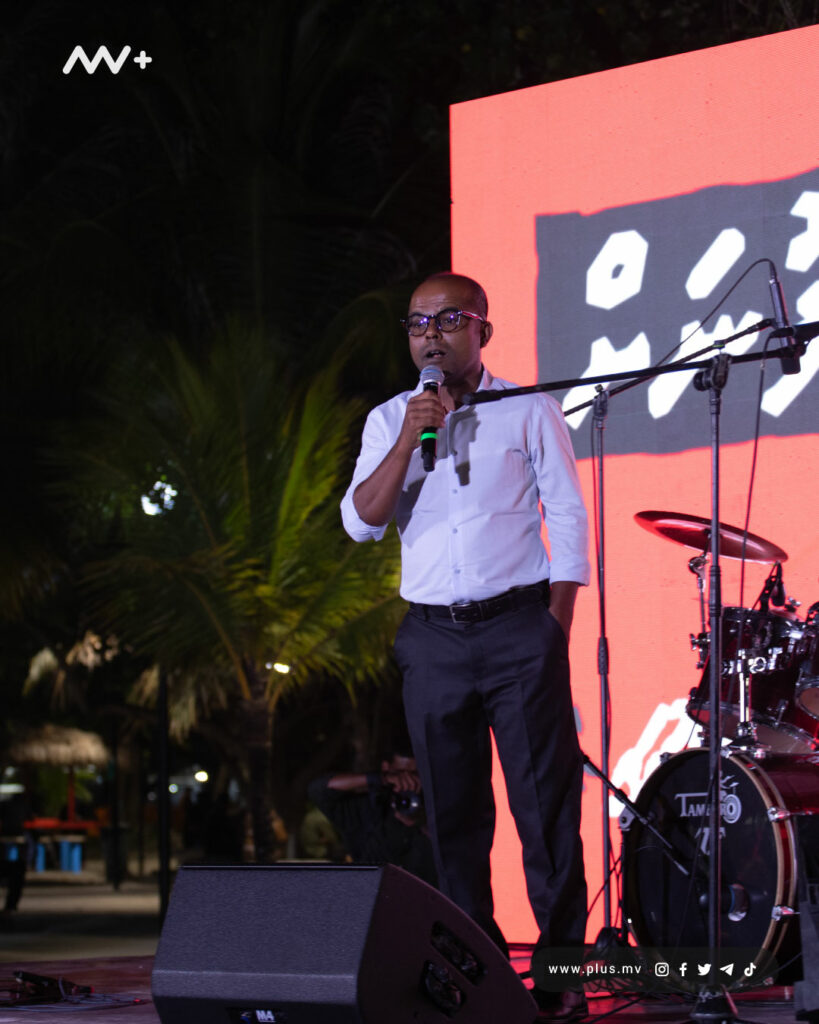
MJA President-elect Naaif Ahmed pledged to continue opposing the bill, both publicly and through social media, noting that the association’s campaign would not end with the forum.
Questions from the audience highlighted wider concerns, including the potential impact on academic research. Responding, Dr Savad said the bill could open the door to censorship in academia if the governing body deemed research findings “untrue,” with penalties ranging from fines of MVR 5,000 to MVR 25,000 and further sanctions.
Despite opposition from journalists, media outlets, and international organisations, parliament—where the government holds a supermajority—plans to move forward with the bill. Government supporters have also been actively promoting it on social media.
The Attorney General’s Office has submitted proposed changes to the Independent Institutions Committee. Attorney General Ahmed Usham said the bill includes provisions to act against individual journalists and media workers, such as temporarily suspending outlet registrations during investigations. He maintained that if parliament approves the amendments, concerns would be addressed and journalism would be “properly regulated.”