
Maahara 6: Reclaiming Land, Exploring Home—An Artistic Reflection on the Housing Crisis
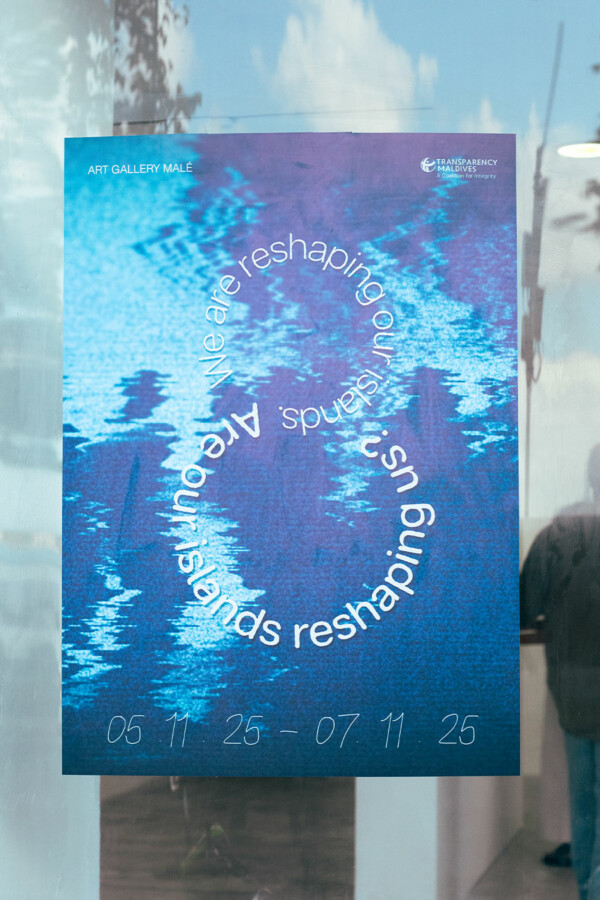
The Art Gallery Malé played host to a thought-provoking artistic exploration of one of the Maldives’ most pressing contemporary challenges: the housing crisis. The exhibition, which was held from 5 to 7 November and titled “Maahara: Reclamation and the Housing Crisis”, was organised by Transparency Maldives (TM), and forms part of the sixth edition of the bi-annual Maahara digest by TM, which shines a spotlight on pressing social issues in the country.
advertisement
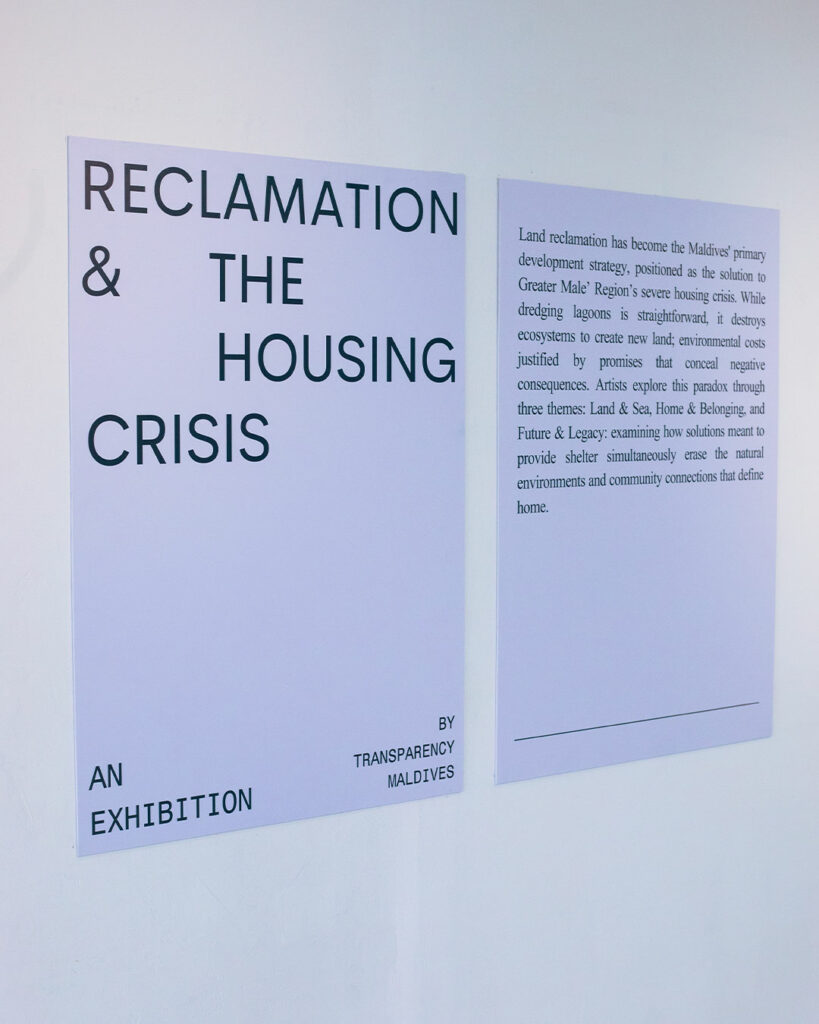
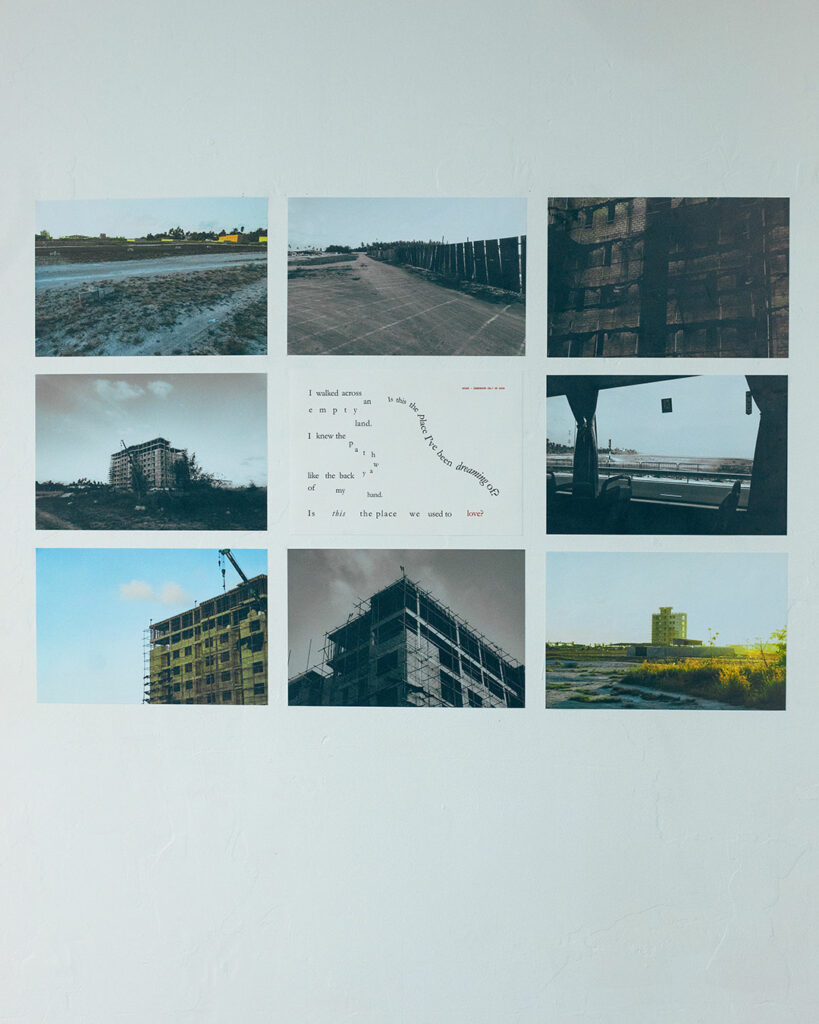
At the heart of this two-day exhibition, which ended last Friday, lies a paradox. Maahara: Reclamation and the Housing Crisis, a cornerstone of development in the Maldives, has long been celebrated as a solution to overpopulation and housing shortages, particularly in the Greater Malé region. Reclaimed land fuels both residential expansion and the growth of the tourism industry. Yet, as the works in Maahara 6 suggest, these ambitious projects often come at a steep cost; erasing natural ecosystems, straining community ties, and offering housing that falls short of sustainable, equitable solutions.
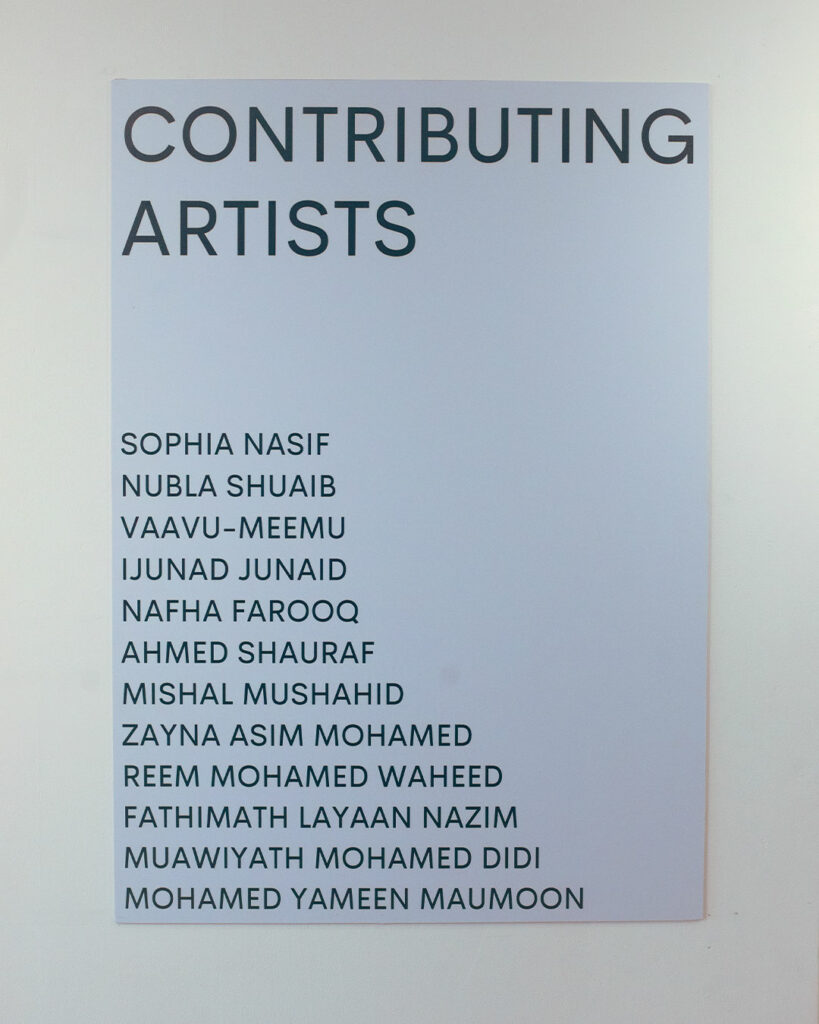
The exhibition invited Maldivian creators aged 16 to 35 to interpret this tension, exploring how land reclamation intersects with the environment and identity. Participants were encouraged to ask: How has reclamation affected you or your community? Has it delivered on its promise of adequate housing, or has it harmed more than it has helped? Through their artworks, poetry, and essays, these young voices offered insight into a future shaped by both human ambition and ecological fragility.
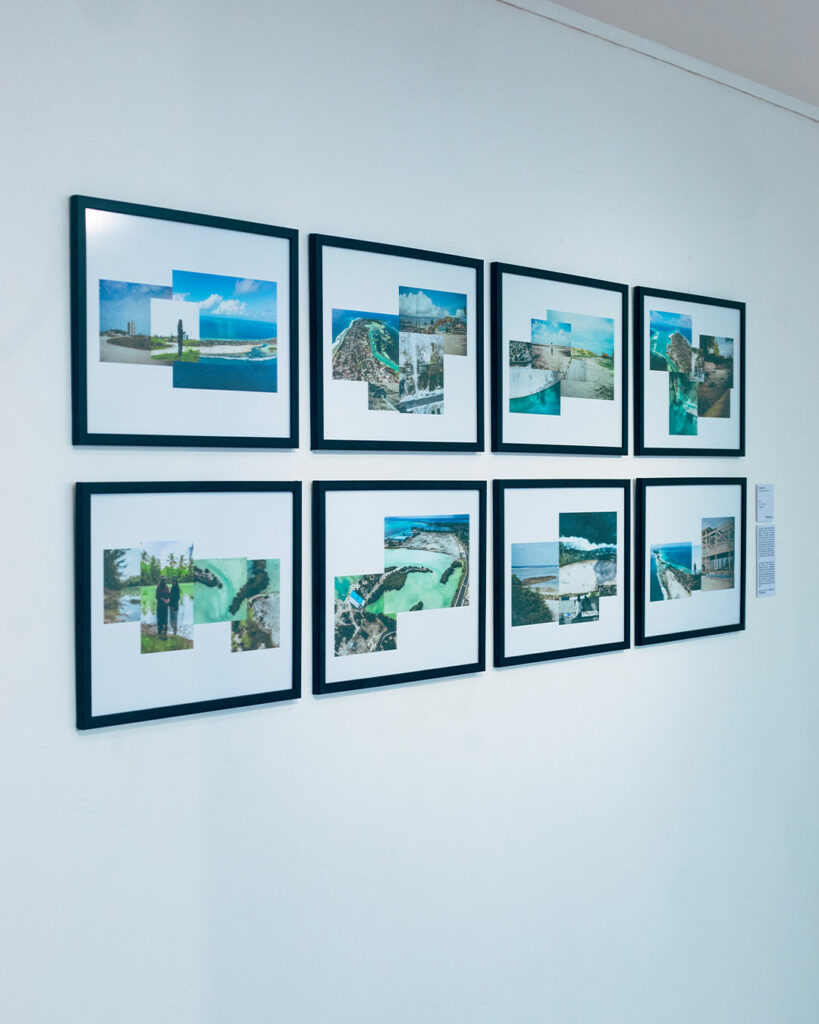
The exhibition was structured around three distinct yet interconnected sub-themes.
The Land & Sea theme captured the aesthetic transformation of the Maldives as lagoons gave way to sand, concrete, and buildings. Visitors were invited to reflect on the visual and emotional impact of this shift, what it means to witness familiar coastlines transformed, and how such changes influence perceptions of home and environment.
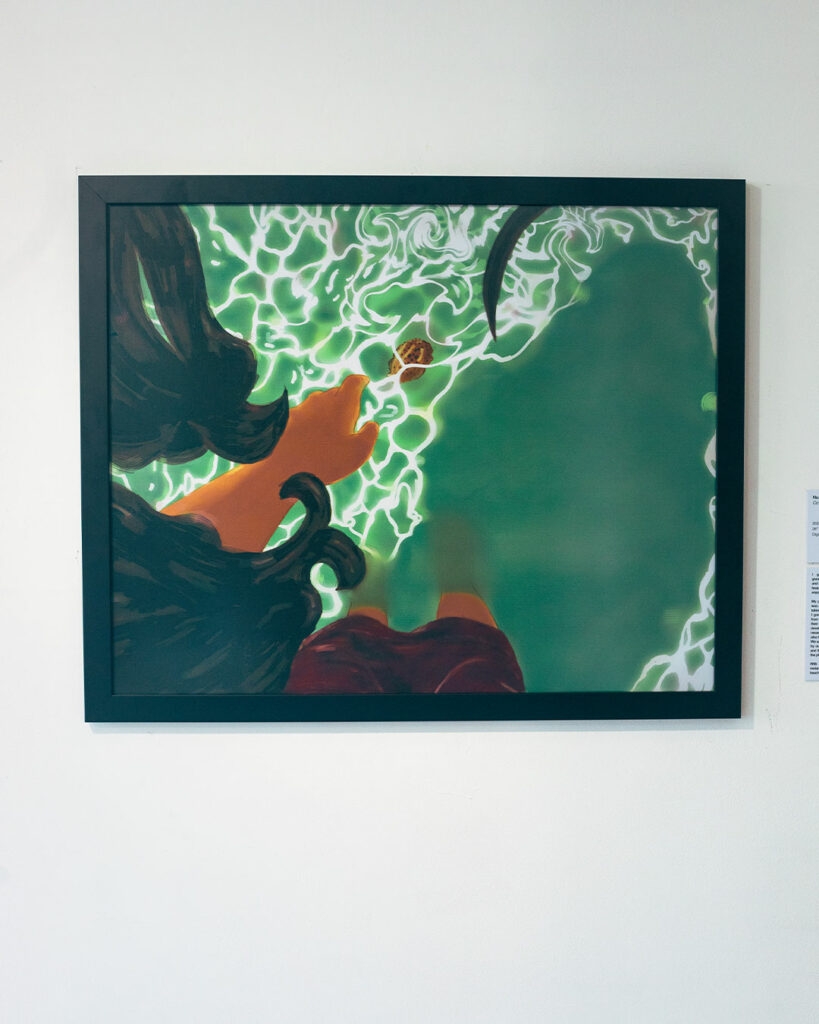
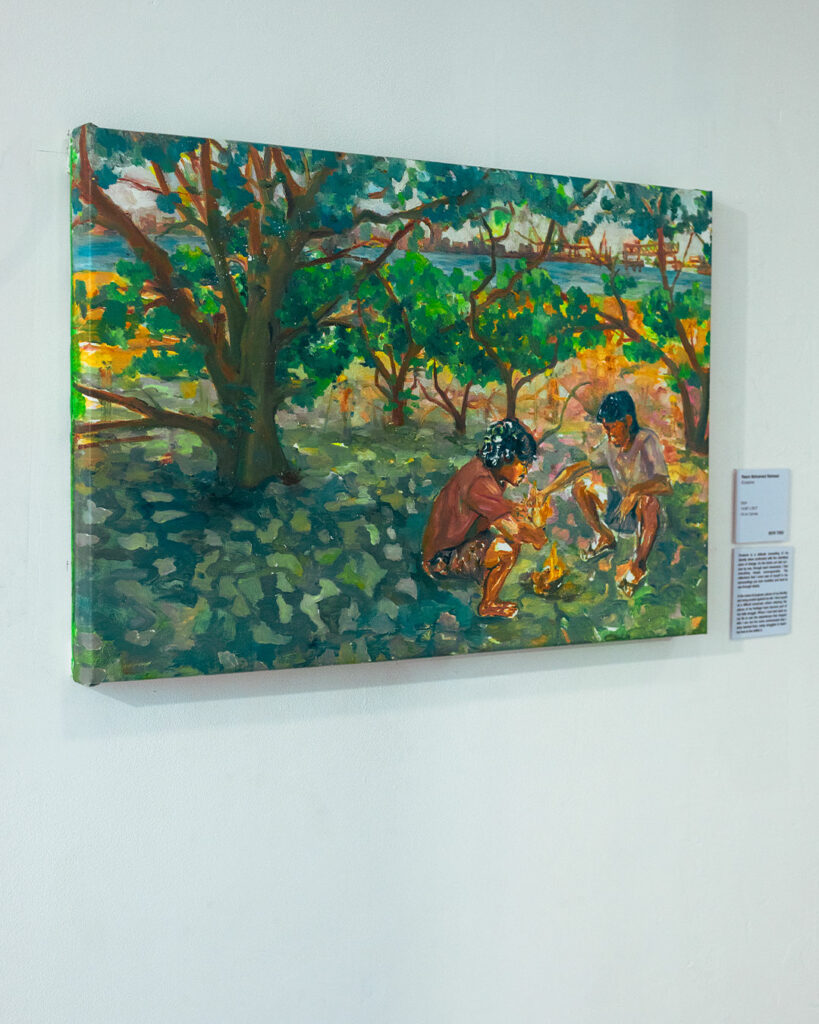
Home & Belonging explored the paradox of contemporary housing solutions. While offering shelter, these developments often erode the sense of community and nature-connected living that have historically defined Maldivian identity. Through these works, artists questioned what it truly means to belong when modern development disrupts traditional ways of life, leaving emotional gaps in its wake.
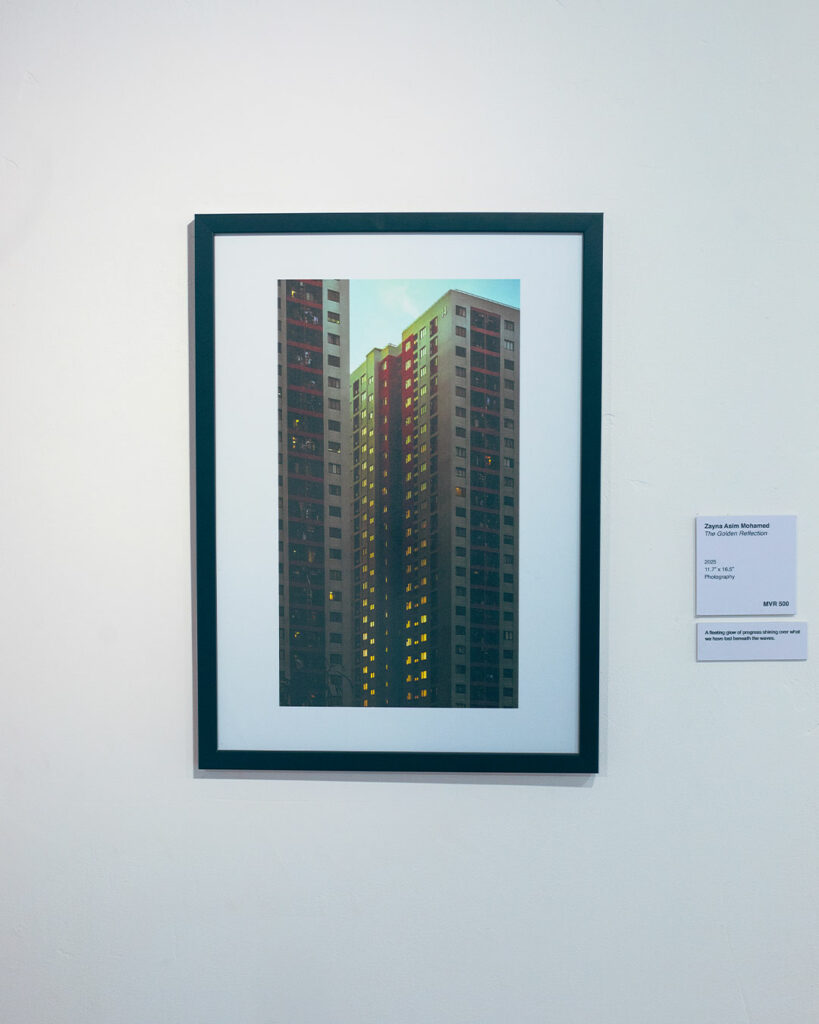
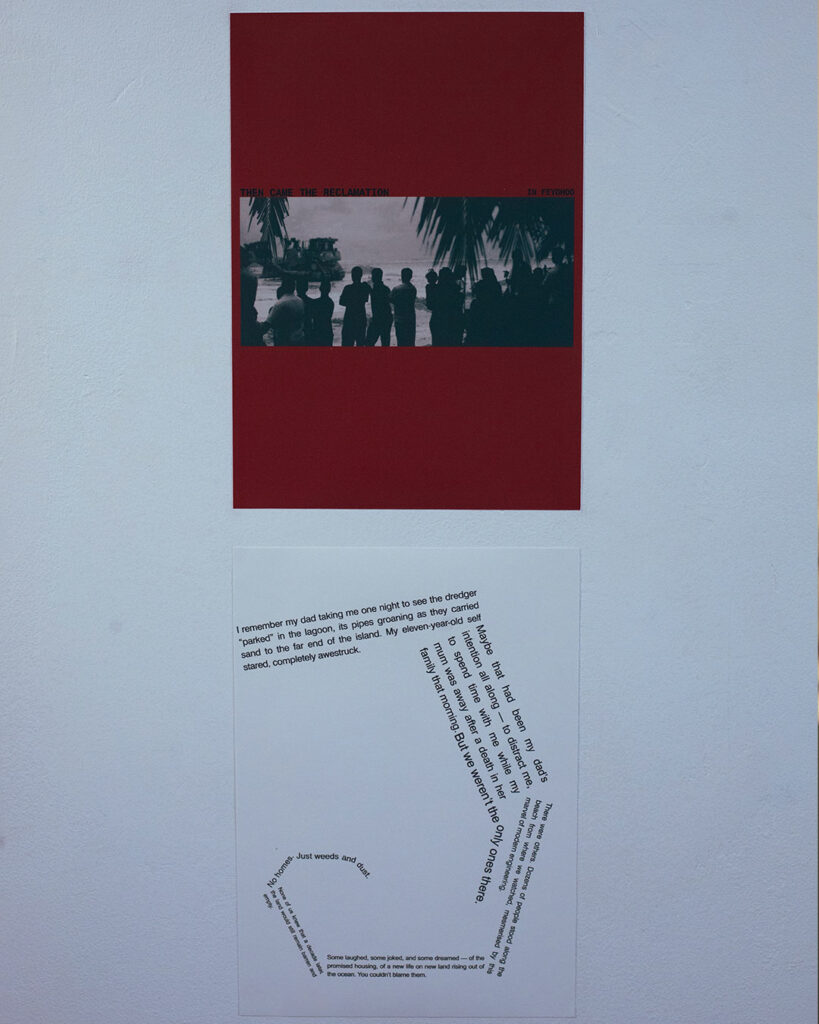
Future & Legacy asked creators to envision sustainable housing models for generations to come. Would the Maldives chart a path toward utopia, where housing harmonises with environment and culture, or toward a dystopia, marked by overdevelopment and ecological strain? The resulting works provoked reflection, dialogue, and fresh ideas for alternative approaches to island living.
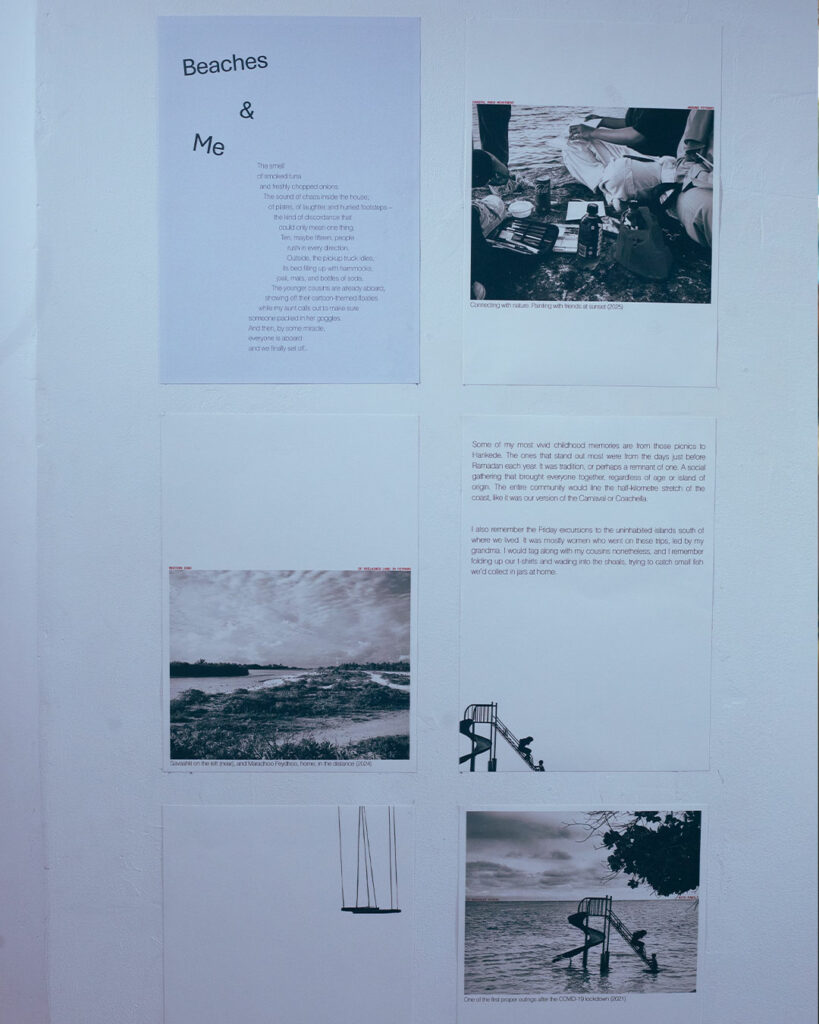
The exhibition welcomed submissions in a variety of mediums — from painting and photography to digital art, poetry, and personal essays. While no monetary compensation was offered, selected works were showcased both in the exhibition and in the printed digest, highlighting the contributions of emerging Maldivian creatives.Maahara 6 was not only an artistic showcase but also a platform for conversation — prompting viewers to reconsider the social, environmental, and cultural cost of development in the Maldives. It reaffirmed that while land can be reclaimed, the true essence of home, community, and identity must be nurtured carefully if it is to endure.