
How Chinese Ink Artists Captured the Spirit of the Maldives
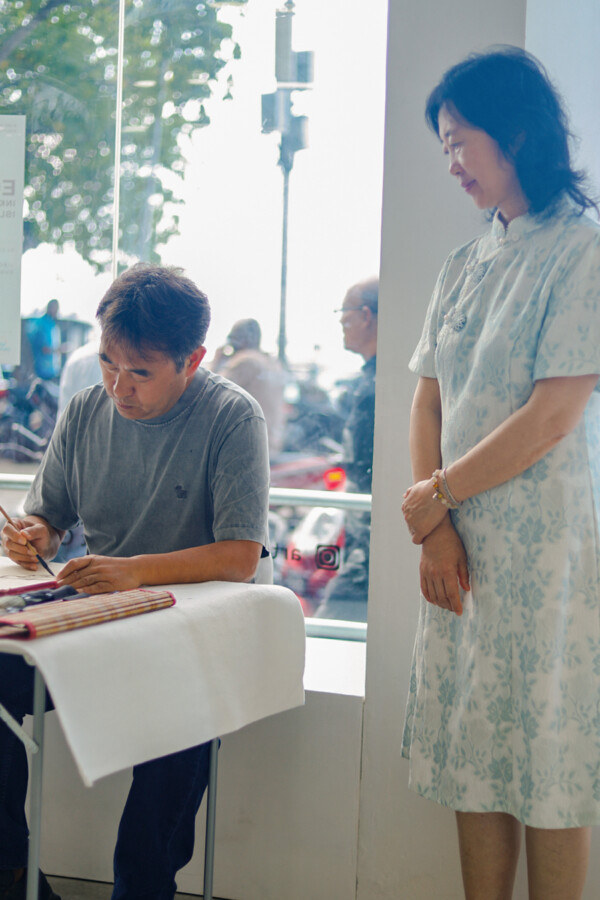
At Art Gallery Malé, Echoes: Ink Wash and Islands by the Chinese artist duo Jiao Weidong and Guo Xinhua invites viewers into a serene dialogue between ink and island.
advertisement
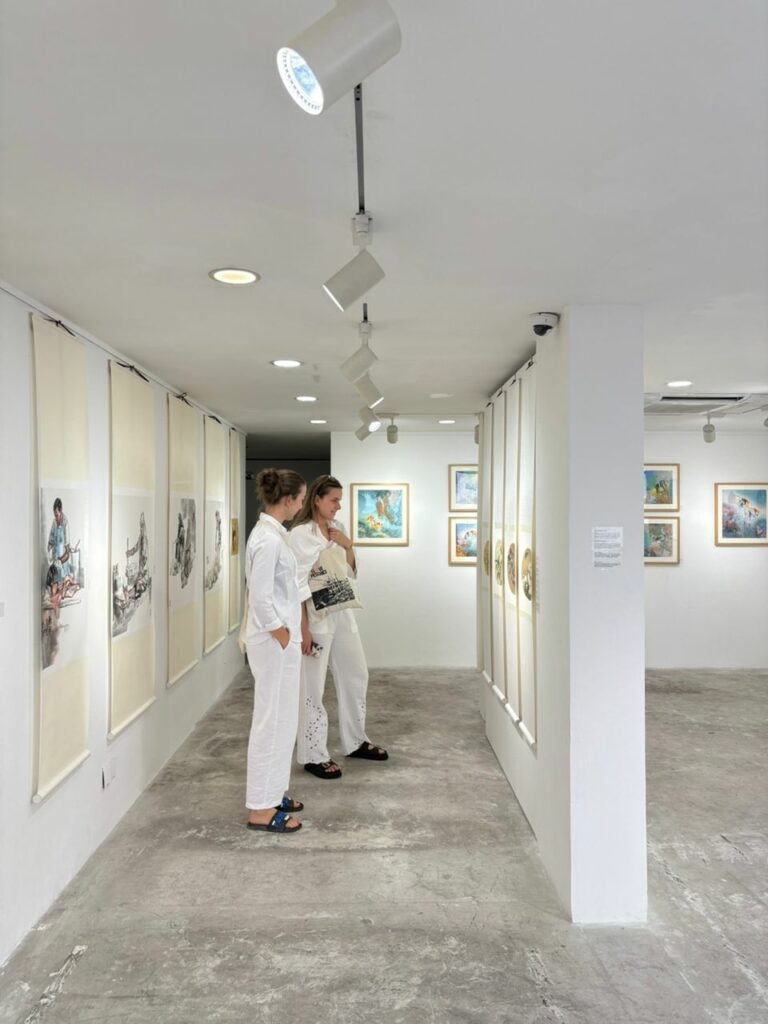
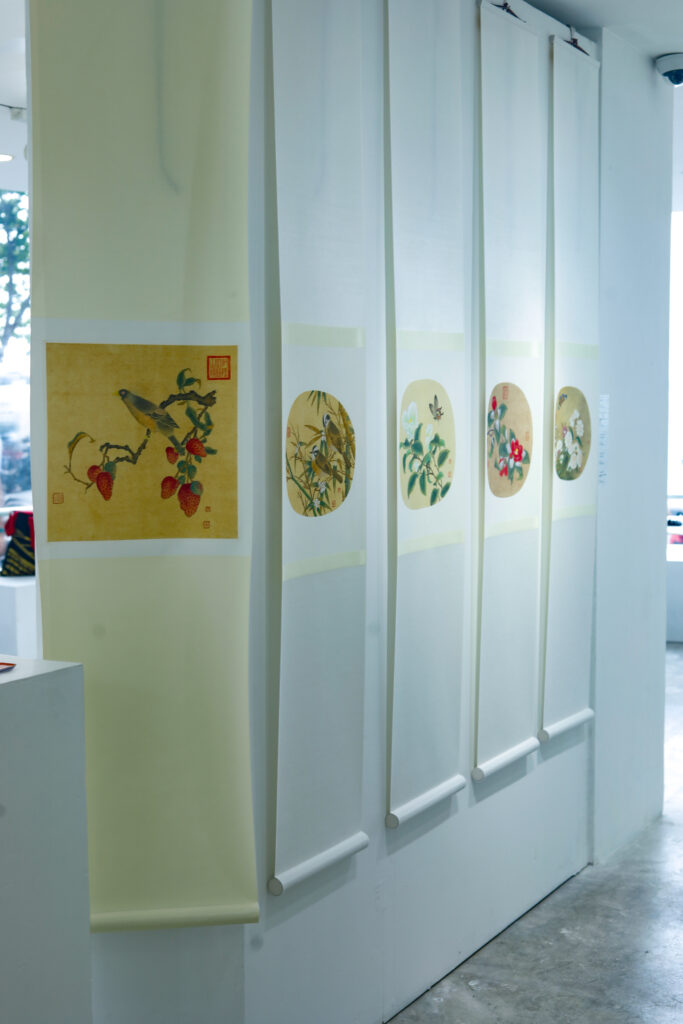
Through delicate brushstrokes and fluid washes, the exhibition weaves traditional Chinese painting into the lush ecological and cultural tapestry of the Maldives.
Each work becomes a meditation on harmony between humanity and nature, memory and experience, and two distant cultures united by shared philosophical sensibilities.
The conceptual foundation of the exhibition lies in the shared values underpinning Chinese ink art and Maldivian island life. Rooted in Daoist and Confucian thought, ink painting understands landscape as a living entity rather than a passive subject. Mountains, water and air are treated as expressions of balance and inner rhythm. The Maldives, with its fragile island ecosystems and deep interdependence between people and sea, embodies a similar sensibility. For the artists, this resonance provided both a conceptual and emotional starting point.
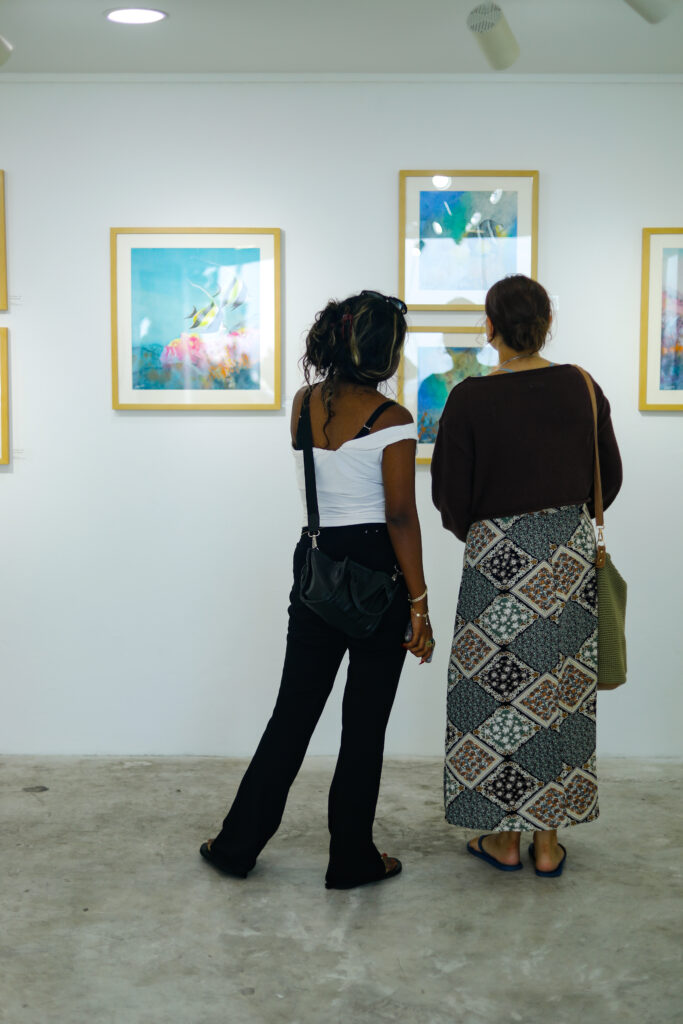
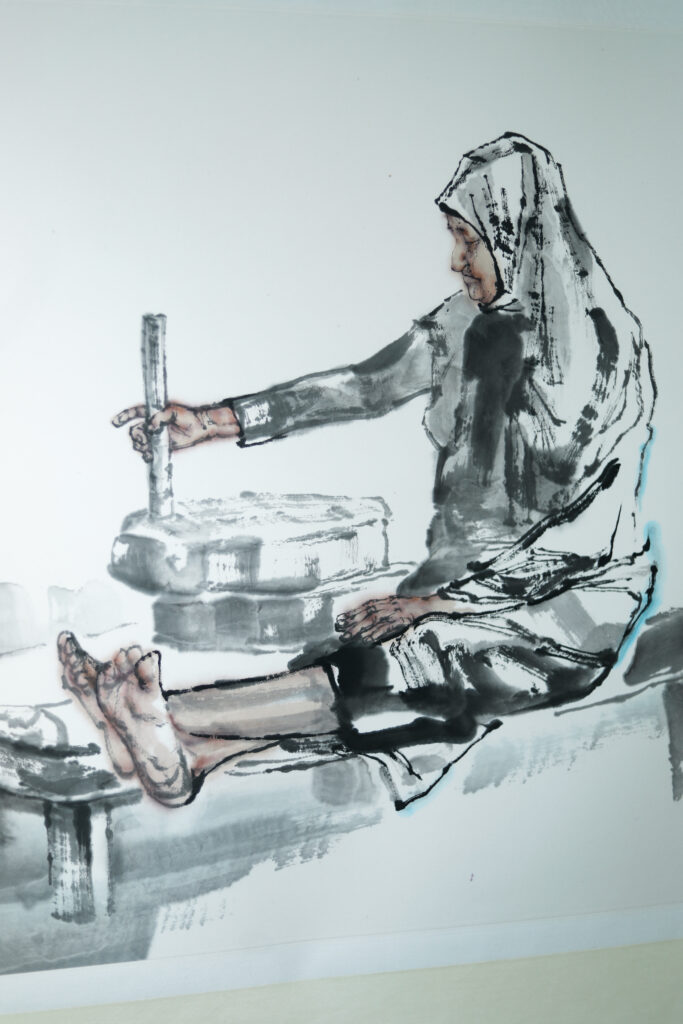
Rather than focusing solely on idealised seascapes, the exhibition places human presence at its centre. The Maldives’ long history, once integral to global trade through the circulation of cowrie shells, forms a quiet backdrop to works that foreground everyday encounters. Portraits depict children, elderly artisans and figures observed in passing, rendered with restraint and empathy. These are not documentary images, but intimate studies that convey warmth, dignity and an unguarded sense of contentment. Through ink, the artists preserve moments of connection that might otherwise pass unnoticed.
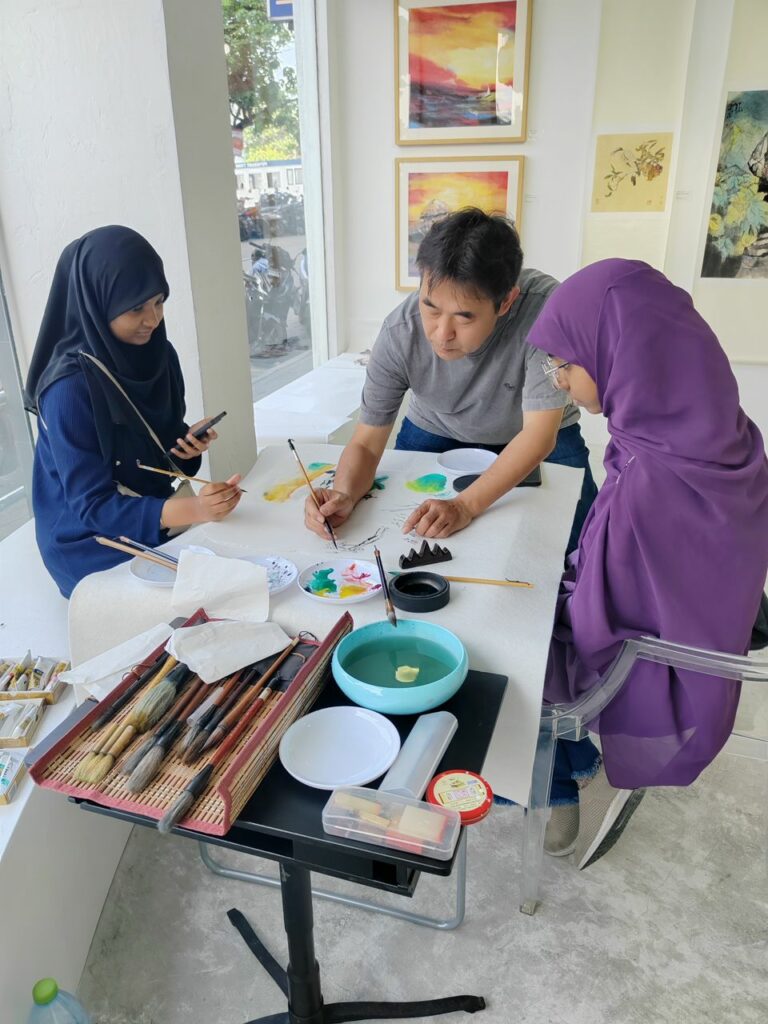
The choice of medium is central to the exhibition’s distinctiveness. Executed in traditional Chinese ink, the works engage a medium rarely used in depicting the Maldives. The language of ink, its tonal variation, fluidity and emphasis on line allow the artists to articulate atmosphere rather than spectacle. Marine scenes emerge through layered washes and rhythmic brushwork, evoking the movement of fish through translucent waters. Elsewhere, boats returning at dusk and fading horizons suggest a slower, cyclical relationship with time.
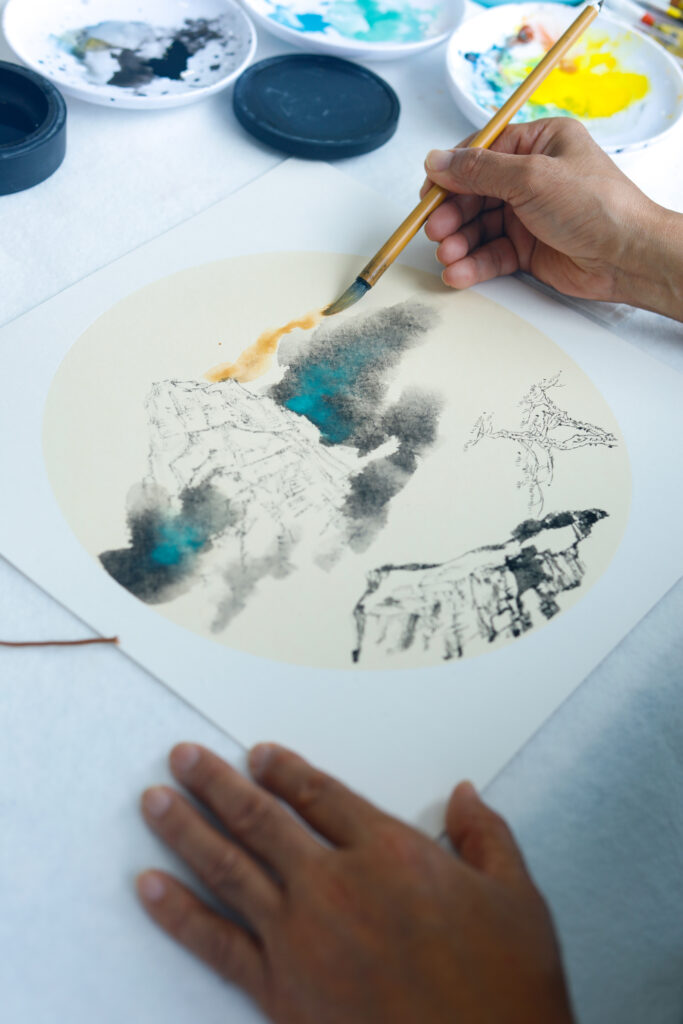
Collaboration is intrinsic to the project. Guo Xinhua’s research-driven approach, shaped by her engagement with history and cultural context, complements Jiao Weidong’s focus on contemporary life and emotional expression. Drawing on decades of formal training and experimentation with various media, Jiao's practice has become increasingly introspective. Technique gives way to meaning; representation becomes a vehicle for conveying inner states of being. Through this shared practice of dialogue and critique, the exhibition achieves a subtle coherence, grounded in both mutual trust and a common love for the Maldives.
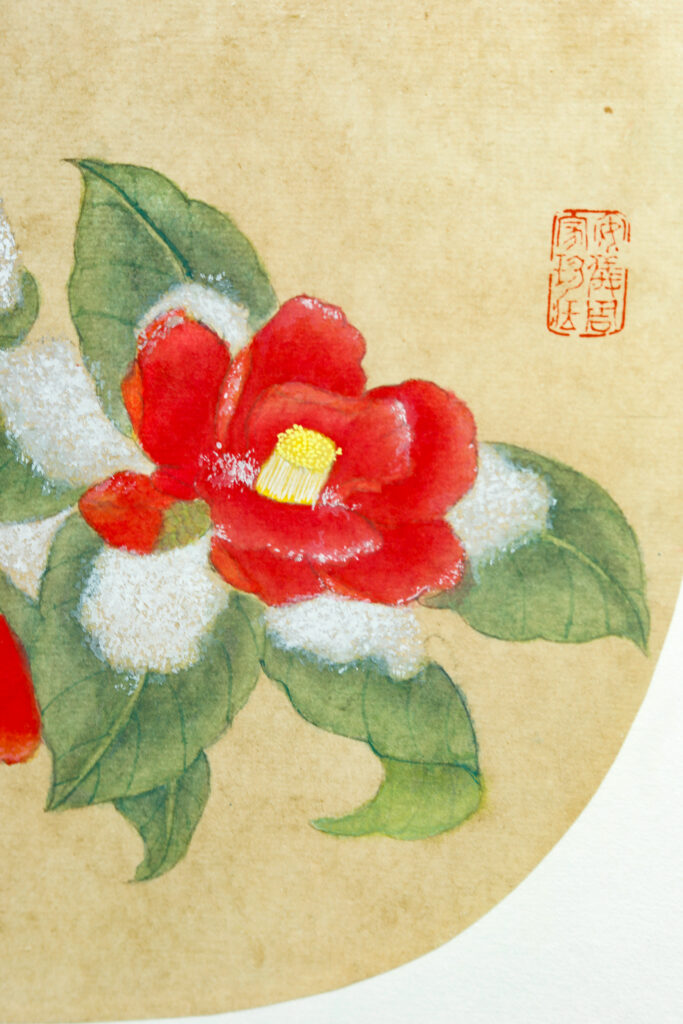
Ultimately, Echoes: Ink Wash and Islands resists grand narratives. Instead, it offers viewers a space for reflection and an encounter with a form of harmony that is subtle yet persistent. By translating the Maldives into the visual language of Chinese ink painting, Jiao and Guo open a cross-cultural dialogue that is neither didactic nor declarative. It is, rather, an invitation to look more closely: at nature, at one another, and at the delicate balance that sustains both.