

Kulhudhuffushi, Villigilli Record Worst ‘Unhealthy’ Air Quality Levels
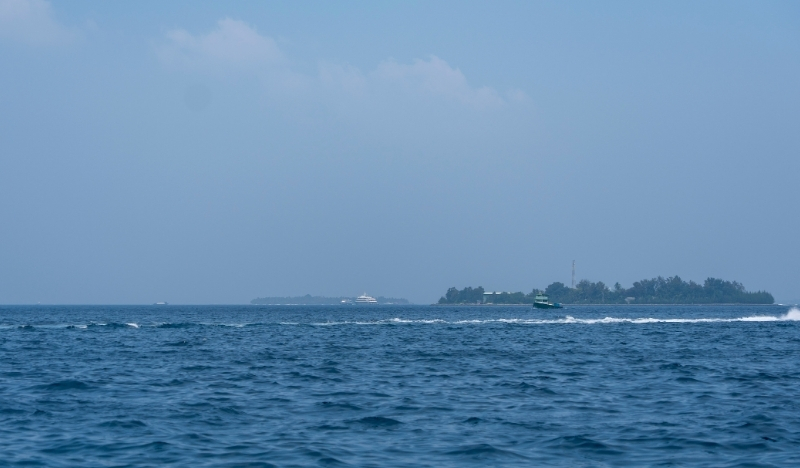
Haze obstructing visibility as seen from the local market area. | Photo: MV+
Kulhudhuffushi City, and Kaafu Villigilli have recorded the worst air quality levels in the Maldives, with Air Quality Index (AQI) readings of 163, according to real-time data published by IQAir. The readings place both areas in the “Unhealthy” category under the US AQI scale.
Under the US AQI scale, red-level readings between 151 and 200 indicate air quality that poses health risks to the general public, with more serious effects for vulnerable groups.
advertisement

މޯލްޑިވްސް މީޓިއޮރޮލޮޖިކަލް ސަރވިސަސް ގެ ތަފާސް ހިސާބުތަކުން ދައްކާގޮތުން ރާއްޖޭގެ ބޮޑު ސަރައްޙަދުތަކަށް ދުންފުހުގެ (Haze) އަސަރުކުރާނެ. މިކަމާ ގުޅިގެން ރައްކާތެރިކަމުގެ ފިޔަވަޅުތައް އެޅުއްވުމަށް ޚާއްޞަ ސަމާލުކަމެއް ދެއްވާ!
ވައި ސާފު މިންވަރު ބެލުމަށް މިނިސްޓްރީ އޮފް ޓޫރިޒަމް… pic.twitter.com/VJbzc4wSjK— Health Protection Agency (@HPA_MV) February 19, 2026
Other regions have also reported elevated pollution levels. Dh. Kudahuvadhoo recorded an AQI of 119, while Addu City registered 110 — both classified as “Unhealthy for Sensitive Groups” (orange level). Sh. Funadhoo recorded 68 and Fuvahmulah 82, placing them in the “Moderate” range.
Health guidance for red-level conditions advises the general public to reduce outdoor physical exertion. Sensitive groups — including children, the elderly and individuals with heart or lung disease — should avoid outdoor physical activity altogether. Authorities recommend wearing N95 masks if going outside is unavoidable and keeping doors and windows closed to prevent polluted air from entering homes.
In orange-level areas, sensitive groups should limit prolonged or heavy outdoor activity, while the general public should reduce time spent outdoors and use protective masks when necessary.
At moderate levels, air quality remains acceptable for most people, though individuals who are unusually sensitive to air pollution may experience symptoms such as coughing or shortness of breath.
Authorities have urged residents to limit outdoor exposure during hazy conditions, wear masks when outdoors, keep indoor spaces sealed against polluted air, stay hydrated and take extra care of vulnerable individuals, particularly children, the elderly and those with respiratory conditions such as asthma.