


Rise in Dengue Cases Reported in Addu City
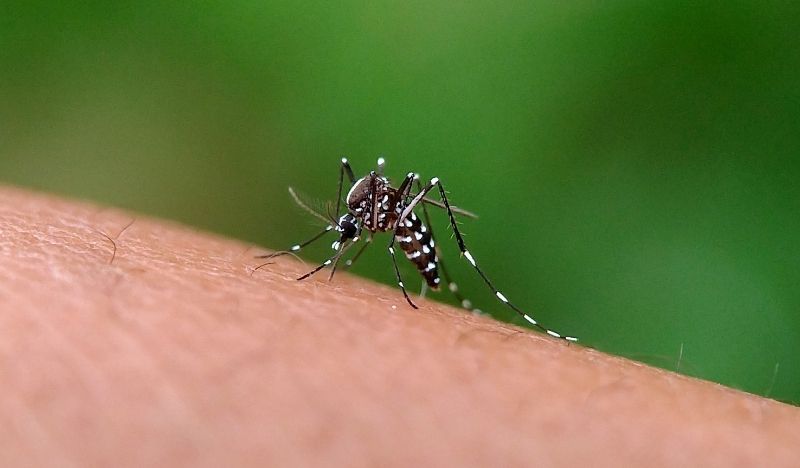
Addu Equatorial hospital alerts on dengue
The Addu Equatorial Hospital has issued a public advisory warning of a rise in dengue cases in Addu City.
Dengue is a viral infection transmitted to humans through the bite of infected Aedes mosquitoes. The illness commonly causes high fever, severe headache, muscle and joint pain, nausea, vomiting and skin rash. In severe cases, dengue can be fatal.
advertisement

Addu, which has the largest residential population outside Malé, has recorded an increase in cases in recent weeks. A spokesperson from the Health Protection Agency stated to local media that 51 cases were reported by Addu Equatorial Hospital in January, with a further 48 cases recorded so far in February.
According to the Health Protection Agency, the highest number of cases has been identified in the Hithadhoo and Feydhoo districts of the city.
The hospital has urged residents to take preventive measures, including eliminating mosquito breeding sites, wearing long-sleeved clothing, using mosquito repellent and keeping doors and windows closed during dawn and dusk when mosquito activity is typically higher.
Common symptoms of dengue include fever, headaches, body aches and pains, nausea, vomiting and rash. Individuals experiencing fever have been advised to drink plenty of fluids, rest adequately and avoid taking medication other than paracetamol-based treatments such as Panadol.
Residents have been advised to seek medical attention if fever persists for more than three days. Immediate medical care is recommended if symptoms such as significantly reduced urine output, extreme fatigue or bleeding from any part of the body are observed.