

Fiscal Surplus Persists as Revenue Growth Outpaces Spending in Early 2026
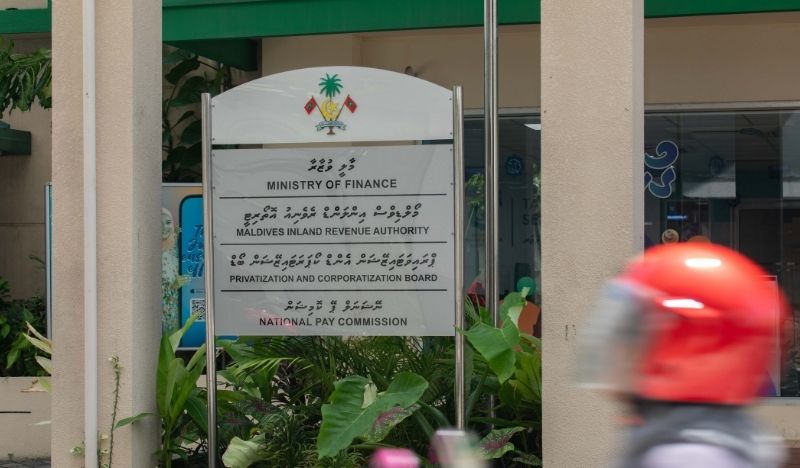
Name boards of government institutions, including MIRA | Photo: MV+
Government finances remained in surplus through mid-April, supported by strong tax collections, though underlying spending patterns suggest continued pressure from recurrent expenditure and subsidies.
According to the Ministry of Finance’s Weekly Fiscal Developments report published on 22 April 2026, cumulative revenue and grants reached MVR 13.56 billion by 16 April, exceeding total expenditure of MVR 11.99 billion and resulting in an overall surplus of MVR 1.57 billion.
The surplus reflects a continued recovery in revenue, largely driven by tourism-linked taxes. Goods and Services Tax accounted for the largest share, with Tourism GST alone contributing over MVR 4.3 billion. This indicates that fiscal performance remains closely tied to tourism activity, reinforcing the sector’s central role in public finances.
At the same time, tax revenue growth has outpaced non-tax income, which has declined compared to the same period last year. Notably, state-owned enterprise dividends have not materialised so far in 2026, contributing to weaker non-tax revenue inflows. This shift places greater reliance on tax-based income, particularly from tourism and business activity.
On the expenditure side, recurrent spending continues to dominate, accounting for the bulk of total outlays. Administrative and operational expenses, alongside salaries, wages, and pensions, form the core of government spending. Subsidies have also emerged as a key driver of recent increases, pointing to continued fiscal pressure from support measures.
Capital expenditure has shown some growth compared to the same period last year, particularly in infrastructure-related spending. However, overall public sector investment remains relatively contained in comparison to recurrent expenditure, suggesting a cautious pace in project execution.
Sectoral spending patterns indicate that education, infrastructure, and health remain among the largest recipients of budget allocations. Meanwhile, disbursements under the Public Sector Investment Programme have reached MVR 1.37 billion, with transport infrastructure continuing to account for a significant share.
Despite the surplus position, financing pressures remain evident. Loan repayments have increased significantly compared to the same period last year, reflecting maturing debt obligations. Transfers to the Sovereign Development Fund have also continued, indicating an effort to maintain fiscal buffers alongside ongoing expenditure commitments.
The current fiscal position points to a balance between revenue recovery and expenditure control, but also highlights structural challenges. The dependence on tourism-driven taxes, rising recurrent spending, and elevated debt servicing obligations suggest that maintaining fiscal stability will require sustained revenue performance and tighter expenditure management in the months ahead.