

Maldives Eyes Wider Indian Market Through FTA, Economic Minister Says
The proposed Free Trade Agreement between the Maldives and India is moving closer to implementation, with the government positioning the deal as part of a wider effort to expand export opportunities and reduce dependence on a narrow economic base.
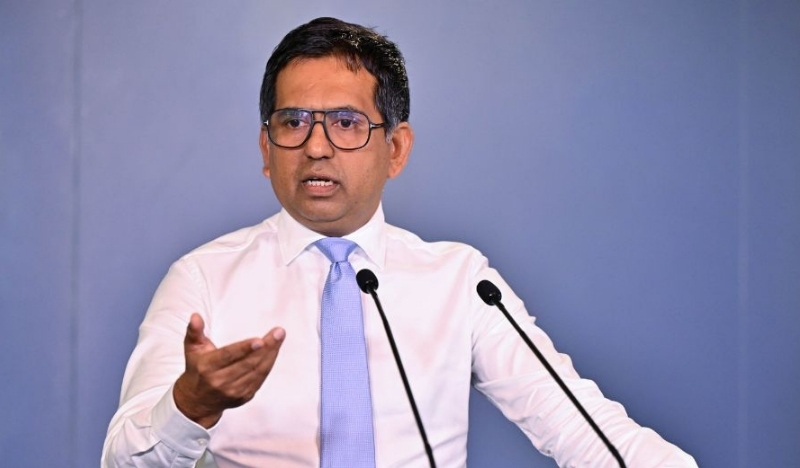
Economic Minister Mohamed Saeed said work is underway to bring the Maldives-India Free Trade Agreement into practical effect this year. The government is currently seeking feedback from Maldivian businesses as it prepares for the next stages of the process.
advertisement

The agreement is expected to deepen economic cooperation between the two countries by improving market access, supporting investment, and creating new channels for trade. India remains one of the Maldives’ largest trading partners and is also among the world’s largest consumer markets.
According to Economic Minister Mohamed Saeed, the agreement could make it easier for Maldivian products to enter India, particularly fisheries products, marine goods, and locally produced items. He also said the arrangement could create opportunities for young people working in the creative economy and for businesses seeking to expand through e-commerce.
The government has framed the agreement as part of its economic diversification agenda. The Maldives remains heavily reliant on tourism, leaving the wider economy exposed to external shocks. Officials expect the proposed trade framework with India to support broader private sector activity by improving access to a large neighbouring market.
Small and medium enterprises are expected to be among the main groups affected by the agreement. The Ministry has said the deal could help young entrepreneurs, women-led businesses, and home-based enterprises connect with Indian buyers and distribution networks.
Beyond tariff reductions, the agreement is expected to address administrative barriers to trade, digitise documentation, and improve the movement of goods through faster customs and transport procedures. The Ministry has also pointed to potential gains from technical assistance and technology transfer, which it says could improve productivity among Maldivian businesses.
Key areas identified for mutual investment include value addition in the fisheries sector, food processing, digital services, financial technology, renewable energy, healthcare, logistics, tourism, and education.
The government has said consultations will be held with stakeholders across sectors such as fisheries, tourism, construction, aviation, and healthcare. Economic Minister Mohamed Saeed said the process would give priority to protecting the interests of the Maldives while preparing the agreement.
The Maldives already has a free trade agreement with China. If the agreement with India is finalised, the Maldives would have trade arrangements with two of the world’s largest consumer markets.
The region also has the South Asian Free Trade Area agreement among SAARC countries, though its implementation has remained limited. The proposed Maldives-India agreement is therefore being presented as a more direct trade arrangement between the two countries, with a stronger focus on practical market access and business facilitation.