

Expert Urges Second Measles Vaccine Dose for 15–35 Age Group to Close Immunity Gaps
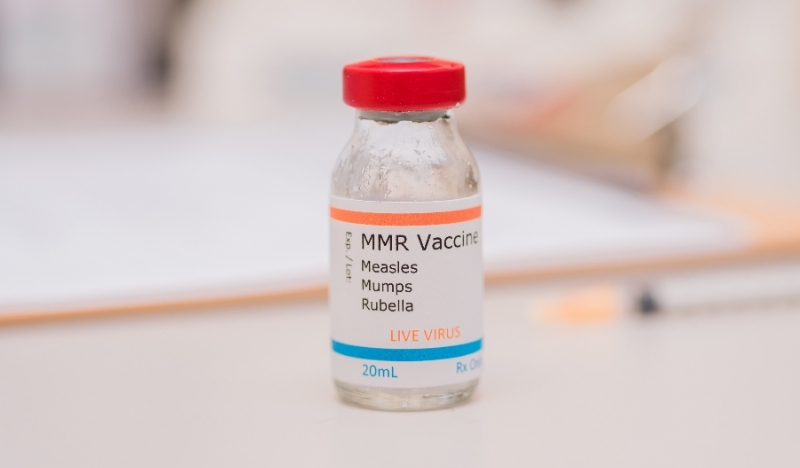
Measles Vaccine bottle. | Photo: Envato
Paediatrician Ahmed Faisal has called for the administration of a second measles vaccine dose for individuals aged 15 to 35, as World Health Organization (WHO) data highlights persistent immunity gaps among older adolescents and young adults alongside continued vulnerability in infants.
The statistics, shared by paediatrician Ahmed Faisal on X, were drawn from a 2023 study published by the World Health Organization through its Expanded Programme on Immunisation (EPI). The data indicates that around 30 per cent of infants remain unprotected against measles, the highest proportion across all age groups.
advertisement

“While more than 72 cases of measles were detected, all except four children were from this age group,” said Faisal, connecting the data to the current rise in measles cases across the Maldives.
މިއޮތް ރަތްކުލައިގެ ބައި އެއީ ހިމަބިހި ޖެހުމުގެ ފުރުސަތު އޮތް އާބާދީ
ހިމަބިހި އެތެރެވީމާ ފެތުރެނީ މިހެންވެ
އެއީ 2 ޑޯޒް ހަމަނުވާ ފަރާތްތައް
ހިމަބިހީގެ 72 ކޭހަށްވެރެ ގިނައިން ފެނުނުއިރު ، 4 👶 ފިޔަވާ ދެންމުޅިންވެސް ތިބީ މި ޢުމުރުގެ މީހުން
15-35 ޢުމުރުގެ މީހުން 2 ޑޯޒް ހަމަކޮށްލާ! pic.twitter.com/Ybl8nxHA2C— Ahmed Faisal (@Faisalnaifaru) July 4, 2026
Approximately half are protected through maternal antibodies, while about 20 per cent have received the first dose of the measles-containing vaccine (MCV1). The remaining infants are largely too young to have received scheduled vaccinations, according to Faisal.
Children aged one to 13 years show the highest immunity levels, with overall protection ranging between 95 and 98 per cent. Around 83 to 85 per cent in this group are protected by a first vaccine dose, while a further 10 to 15 per cent have received a second dose (MCV2), leaving only a small proportion unprotected.
However, the data highlights a clear immunity gap among those aged 14 to 20 years, where protection from the second dose is absent. This suggests that individuals in this cohort were born before the second measles vaccine dose was introduced or fully integrated into the national immunisation programme.
While around 82 per cent of people aged 14 to 20 remain protected through a single vaccine dose, the absence of MCV2 leaves approximately 18 per cent vulnerable to measles infection, significantly higher than in younger age groups.
The findings point to a historical gap in vaccination coverage and identify adolescents and young adults as a priority group for catch-up immunisation to reduce the risk of outbreaks of Measles. In his post sharing the data, Faisal urged individuals who have not received the second dose of the measles vaccine to do so without delay.
Current Measles Trend in Asia, Some Countries Still Endemic
A breakdown of measles transmission status shared by Faisal, showing the status across selected regional countries, shows mixed progress in disease elimination efforts. While Bhutan, the Maldives, and Timor-Leste maintain sustained elimination status, measles remains endemic in Bangladesh, India, Myanmar, Nepal, and Thailand. Sri Lanka is, meanwhile, reported to have experienced a re-establishment of transmission in recent assessments.
މިސަރަހައްދުގެ ގައުމުތަކުގެތެރެއިން ހިމަބިހި ގަދަޔަށް ފެތުރޭ ގައުމުތައް،
މިއަހަރު ރާއްޖެވެސް މީގައި ހިމެނޭ
މި ގައުމުތަކުން އަންނަ މަސައްކަތުމީހުންނަށް ވިސާދިނުމުގެ ކުރިން ހިމަބިހީގެ ވެކްސިން ފުރިހަމަކުރިތޯ ބަލަންޖެހޭ
ފަތުރުވެރިންގެ ކިބައިންފެންނ އަލާމާތްތަކަށް ސަމާލުކަންދޭންޖެހޭ pic.twitter.com/txUdpW8yDA— Ahmed Faisal (@Faisalnaifaru) July 4, 2026
South Asia has seen a resurgence of measles in recent months, with outbreaks reported in Bangladesh, India, and the Maldives. The increase has been linked to immunity gaps caused by missed routine vaccinations, leaving communities vulnerable to one of the world’s most contagious diseases. In the Maldives, health authorities had identified 72 measles cases, prompting intensified surveillance, contact tracing and vaccination efforts to contain further spread.
Measles spreads through the air when an infected person coughs, sneezes or even breathes. The virus can remain suspended in the air or on contaminated surfaces for up to two hours, allowing others to become infected even after the infected person has left the area. Because of its extremely high transmissibility, around 90% of unvaccinated people who come into close contact with an infected individual are likely to contract the disease, making high vaccination coverage essential to preventing outbreaks.