

Amount of Waste Generated in Maldives Increasing by 9% Annually, Says WAMCO DG
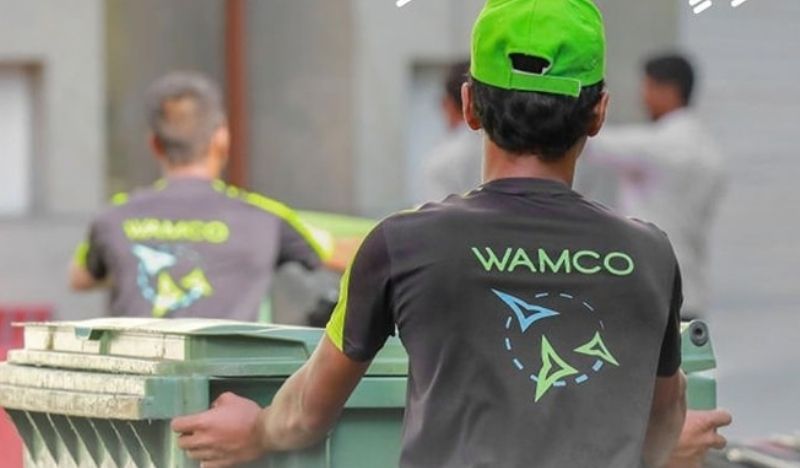
WAMCO workers collect waste in Malé: | Photo: WAMCO
The amount of waste generated in the Maldives is increasing by 9 per cent each year, with the country producing approximately 517,000 tonnes of waste annually, according to Waste Management Corporation Limited (WAMCO) Director General Ahmed Murthaza.
Speaking at a press conference held at the President’s Office today, Murthaza said waste management remains a major challenge for the Maldives due to the country’s limited land availability and the increasing volume of waste being produced.
advertisement
He said residents in urban areas generate an average of 1.7 kilograms of waste per person per day, adding that the annual waste generation figure of 517,000 tonnes continues to rise at a rate of 9 per cent each year.
“Looking at the rate of waste increase in the Maldives, 517,000 tonnes of waste are generated annually. That amounts to 1.7 kilograms generated per capita per day in urban centres,” Murthaza said.
He highlighted that the growing volume of waste is a serious concern, particularly given the geographical limitations of the Maldives, where many islands have limited space for waste storage and disposal.
Murthaza also noted that the tourism sector contributes significantly to the country’s waste output, with tourists generating considerably more waste than local residents.
According to him, each tourist visiting the Maldives generates around 3.5 kilograms of waste per night, which is nearly three times the amount generated daily by an average resident in urban areas.
The corporation said addressing waste management challenges requires continued efforts to improve waste handling systems and promote more sustainable practices across the country.
Currently, waste generated in the Greater Male’ Area is either transported to Thilafushi for disposal through burial or processed for recycling. However, in many islands, the practice of burning accumulated waste remains common, as WAMCO’s waste collection vessels are unable to provide regular services to all islands due to resource limitations.
While the corporation occasionally conducts awareness campaigns through social media and public service announcements, waste management practices at household level remain an area requiring greater focus, with limited programmes aimed at educating communities on proper waste disposal, and waste reduction methods.