

58 Years of Political Independence: Majority of the Public Trapped in Economic Slavery
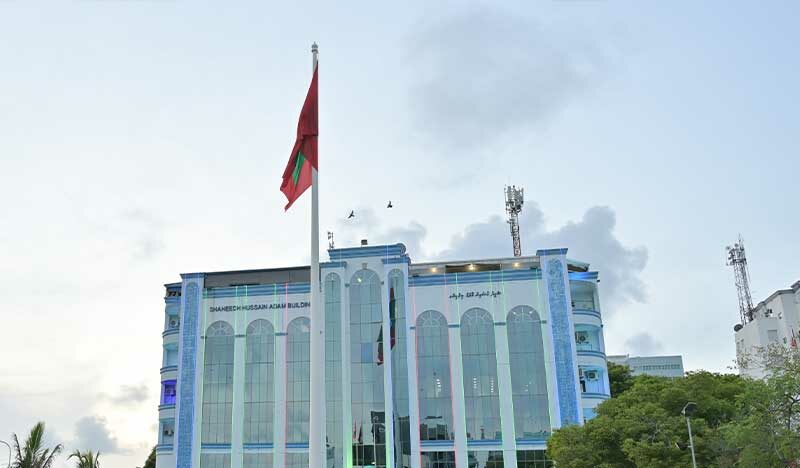
Photo: The President’s Office
This year Maldives celebrates 58 years of political independence from the Great Britain. In this report we will try to highlight the history of economic inequality, exploitation, and social injustices that have persisted since the country gained political independence in 1965. The factors that have contributed to this situation are complex and multifaceted, but some key elements stand out:
1. Concentration of Power: The concentration of power and wealth in the hands of a few elites has played a significant role in perpetuating economic inequality in Maldives. This elite control over resources and decision-making has led to a skewed distribution of wealth and limited economic opportunities for the majority of the population.
advertisement

2. Exploitative Practices: Historical practices, such as the iniquitous poll tax (vaaru) and discrimination against islanders, contributed to social unrest and uprisings against the government. These discriminatory policies and practices have marginalized certain communities and perpetuated economic disparities. With the recent free land to selected people from Male‘ area is a clear example that these injustice is still in practise as a state policy.
3. Propaganda and Control: The use of mass propaganda, controlled media, and manipulation of religious beliefs have been used to keep the population united and unquestioning of the government’s actions. This has allowed those in power to maintain their control over the people, even when policies and actions are detrimental to the majority.
4. Corruption and Cronyism: Corruption and cronyism have led to the unlawful acquisition of state assets and resources by powerful individuals and businesses. This has further deepened economic disparities and hindered economic growth for the majority of the population.
5. Uneven Regional Development: The centralization of economic activities and resources in the capital, Male’, has led to underdevelopment in other regions of the country. The uneven distribution of resources and opportunities has caused population imbalances and social problems.
6. Lack of Economic Freedom: Limited economic activities, restrictive laws, and policies that favor the interests of the powerful few have stifled economic freedom for the majority. This has hindered opportunities for upward mobility and prosperity.
7. Regressive Tax System: The presence of a regressive tax system, coupled with tax cuts for the wealthy, has further exacerbated economic disparities and made life challenging for the poor and middle classes.
Addressing these issues and achieving economic independence for the majority of Maldivians will require comprehensive and sustained efforts from the government and civil society. Some potential solutions include:
1. Promoting Transparent Governance: Ensuring transparent and accountable governance can help combat corruption and cronyism, leading to a fairer distribution of resources and economic opportunities.
2. Regional Development: Focusing on equitable regional development and investing in infrastructure, education, and healthcare in all parts of the country can reduce the population imbalance and create more economic opportunities outside of the capital.
3. Economic Diversification: Encouraging economic diversification and supporting small businesses and entrepreneurs can lead to broader economic growth and employment opportunities.
4. Social Safety Nets: Implementing social safety nets, including minimum wage policies and measures to address human trafficking, can protect vulnerable populations and alleviate poverty.
5. Access to Education and Healthcare: Investing in education and healthcare facilities can empower the population, improve human capital, and contribute to long-term economic growth.
6. Media and Information Freedom: Ensuring media freedom and promoting access to information can help counteract propaganda and misinformation, allowing people to make informed decisions about their future.
7. Inclusive Policy Making: Encouraging inclusive policy-making processes that involve diverse voices and perspectives can lead to policies that better serve the interests of the entire population.
It is essential for the government, civil society, and the people of Maldives to come together to address these challenges and work towards a more equitable and prosperous future for the country. Realizing economic independence and breaking free from the shackles of economic slavery requires a collective effort and commitment to social and economic justice.