

Qasim Voices Concerns Over Timing of Governance System Change Referendum
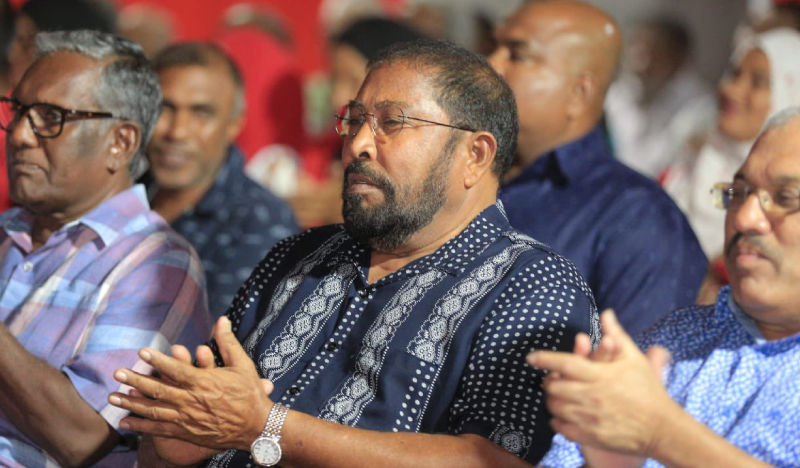
Photo: JP
Jumhooree Party (JP) leader Qasim Ibrahim expressed his reservations about taking a vote at the present moment on governance system change, asserting that it runs counter to the principles enshrined in the Constitution.
މި އޮކްޓޫބަރު މަހުގެ 30ވަނަ ދުވަހުގެ ކުރިން ނިޒާމީ ވޯޓެއް ނެގުމަށް ރައްޔިތުންގެ މަޖިލީހުން ޤަރާރެއް ފާސްކޮށް، އިލެކްޝަންސް ކޮމިޝަނަށް ހުށައަޅުއްވާފައިވީނަމަވެސް،
ރާއްޖޭގެ ޤާނޫން އަސާސީއާއި ޤާނޫން ތަކާއި އެއްގޮތަށް ރިޔާސީ އިންތިޚާބެއްގެ ދެ ބުރު ބޭއްވި، އެ އިންތިޚާބު މެދުވެރިކޮށް… pic.twitter.com/bbl8PZBtJ5— Qasim Ibrahim (@qasimibrahim) October 1, 2023advertisement

This statement comes in the wake of Dr. Mohamed Muizzu’s victory in the presidential election, with the opposition PNC candidate securing 54 percent of the vote. Muizzu is scheduled to assume office in November.
The issue revolves around the proposed invisible vote on the change of the governance system, with some members of the Maldivian Democratic Party (MDP) and The Democrats supporting the initiative.
Parliament passed a resolution, calling for this vote to occur before the end of the month.
Qasim Ibrahim, a figure in the drafting of the Green Constitution, criticised the move, alleging that it aims to disrupt the orderly transition of government. While not explicitly naming anyone, his remarks appeared to be directed towards the defeated MDP presidential candidate, President Ibrahim Mohammed Solih, whose party holds a majority in parliament.
In his statement, Qasim Ibrahim emphasised that conducting such a vote before the newly elected government is officially in place and before international acceptance of the election results goes against the constitutional spirit and international principles.
He argued that a particular party in parliament, leveraging its majority, striking political deals with a leader who was rejected by the electorate, is not in alignment with the desires of the majority of the people of the Maldives.
Furthermore, Qasim Ibrahim reiterated his long-standing critique of the parliamentary system, stating that it primarily benefits members of parliament and the prime minister elected by them. In a parliamentary system, the prime minister is typically a member of the party that secures the majority in general elections, appointed according to the party’s internal democratic rules.
This setup leaves the President with limited powers, mainly control over the military.
The Election Commission of the Maldives (ECM) has raised concerns regarding the clarity of the ballot question and the structure of the proposed parliamentary system.
Subsequently, Speaker of Parliament Mohamed Nasheed held a press conference to shed light on the framework that would be presented to Parliament.