

Finance Ministry Reports MVR 1.8 Billion Expenditure on Aasandha in 2022
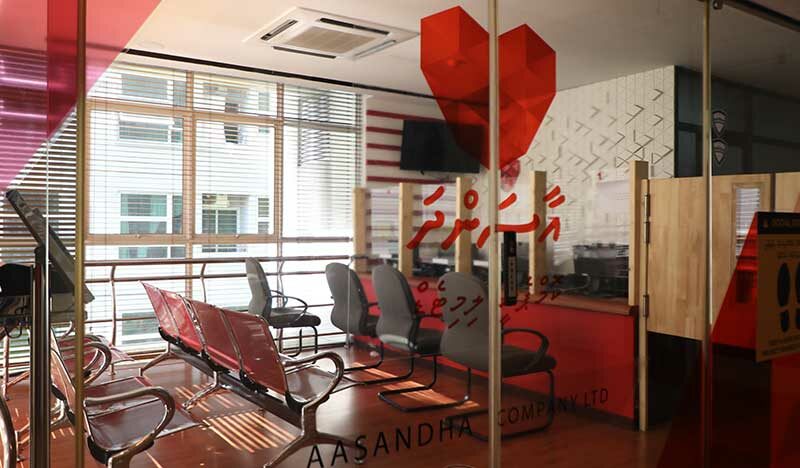
Photo: MV+
According to the Finance Ministry, a staggering MVR 1.8 billion was expended on medical services through the Aasandha scheme in 2022.
This disclosure was made as part of the ministry’s budget results statement for the preceding year, shedding light on the execution of the budget and the resultant outcomes.
advertisement

The budget results statement highlighted that the largest recurrent expenses was allocated to government assistance, advertising, and subsidies. The budget for this category was initially set at MVR 4.8 billion.
In an attempt to curtail expenditures within the Aasandha scheme, last year’s budget incorporated several measures. These included the establishment of maximum retail prices for drugs and the termination of exclusive privileges granted to drug importers by the Maldives Food and Drug Authority.
Regrettably, these measures remained unimplemented, leading to a significant upsurge in Aasandha-related expenses over the past year. Consequently, the initial budget allocation of MVR 730.9 million to contain these expenditures was supplemented by an additional MVR 906.7 million. The budget results statement elucidated that by the close of last year, MVR 1.8 billion had been expended on Aasandha.
Furthermore, expenses related to medical assistance within the Maldives and overseas experienced substantial growth. While MVR 75 million was originally earmarked for welfare assistance, the actual spending amounted to MVR 203.2 million. Likewise, the budget for overseas medical aid was set at MVR 30 million, but by the end of the year, MVR 90.4 million had been disbursed.
While the public predominantly relies on the National Insurance Scheme (NIS) for medical treatment, concerns regarding the Aasandha scheme persist. The pronounced difference in pricing between private hospitals and clinics, compared to government services, continues to be a major grievance among the public. Concurrently, the proportion of fees charged by Aasandha for medical treatment in private hospitals shows an escalating trend year by year.
Notably, additional funds are often allocated outside the budget to facilitate medical treatments abroad.