


FACT CHECK: Diving Deep into the Male’- RasMale’ Tunnel
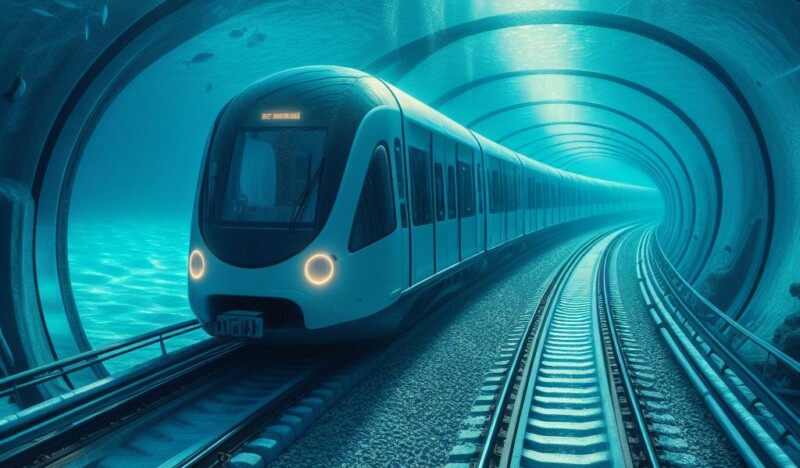
In a move to address the housing crisis in the Male’ area, President Dr Muizzu has announced plans for an underwater railway tunnel connecting Male to RasMale’.
“This underwater tunnel is the first of its kind in the world,” said the President, while speaking at the oath-taking ceremony for Male City mayor and councillors held on Monday night. Adding that the tunnel will be constructed of a transparent material, the President said this transport link will also serve as a tourist attraction and bolster our tourism industry.
advertisement

advertisement

While the president makes a bold claim, his statement raises certain questions. Is this really the world’s first underwater observatory tunnel? Is it safe? Will it really have a positive impact on eco-tourism?

THE FIRST OF ITS KIND
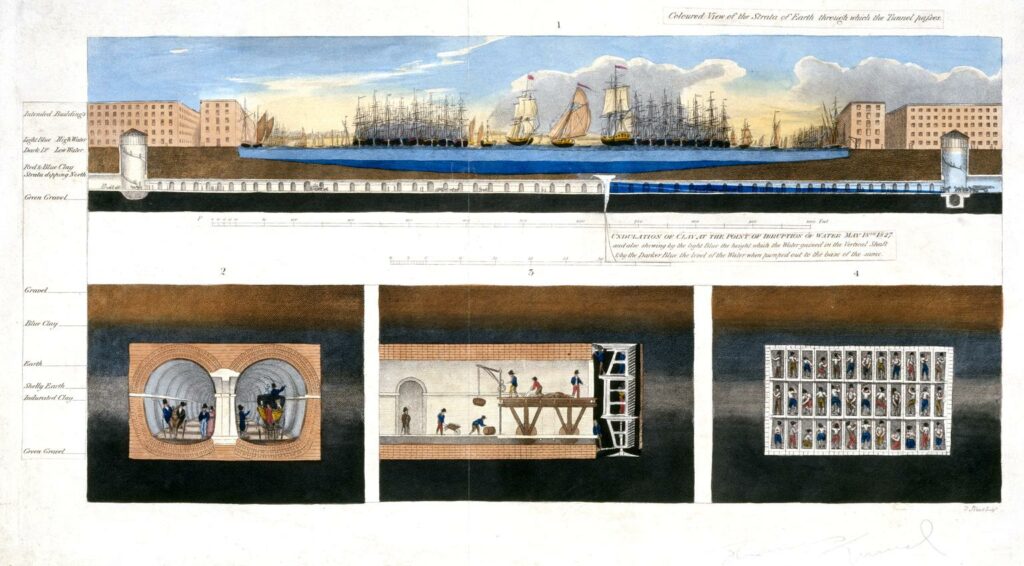
Diving into the first question, underwater tunnels have been around for centuries. The first recorded underwater tunnel dates back to the Babylonian era (2180 – 2160 BCE) and was constructed in the Euphrates River.
If we look at underwater tunnels built after the industrial revolution, London’s Thames tunnel would be the world’s first underwater railway tunnel. Completed in 1825, the Thames tunnel was originally designed for horse carriages and later converted into a railway tunnel. Likewise, Liverpool’s Mersey Railway Tunnel, which was established in 1886 is recognized as the world’s oldest underwater railway tunnel.
At present, there are almost 200 underwater tunnels around the world and all of them use concrete and steel within their structure. But that doesnot mean that underwater tunnels where you can observe marine life don’t exist. Many aquariums have implemented such walkways with acrylic panes; the first underwater walkway tunnel was established in 1991 in Singapore. .
Hence, the Male-RasMale’ tunnel will technically be the first of its kind, if it is constructed with transparent walls.
This begs the question, then why has no one – such as richer and more developed nations – ever considered building such an infrastructure before?
COST & STRUCTURAL INTEGRITY
Perhaps the answer lies in the safety and cost of such a construction. As aforementioned, underwater tunnels for the use of observing marine life are made out of acrylic panes. When building an underwater structure, several factors must be considered. These include: depth of the water, type of material, strength and thickness of the material, underwater pressure, and the structure’s shape.
Unfortunately but not unsurpisingly, the construction of underwater structures comes with risks. For example, the construction of Japan’s Seikan Tunnel – one of the world’s longest undersea tunnels – took a total of 34 lives as a result of cave-ins, flooding, and other mishaps.
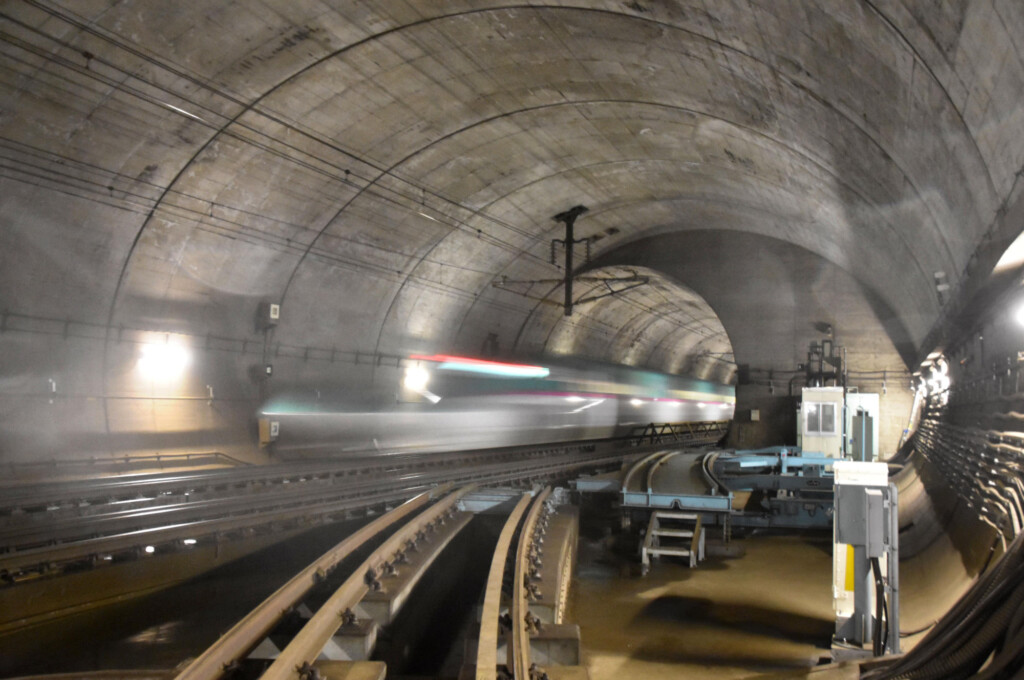
One common problem facing underwater tunnels is water leakage. Such an infrastructure would require regular maintenance to ensure safety, and more importantly prevent a fatal and costly disaster. Hence, the cost of building as well as maintaining an underwater tunnel will be an expensive feat. One that Maldives’ – with a total debt equivalent to 110% of our GDP – will struggle to afford.
As part of a 20-year master plan by the incumbent government, Fushishiggaru Falhu is being reclaimed to address the housing crisis. The administration has stated that MVR 600 million will be allocated for the project in 2025, and MVR 350 million is set to be allocated for 2026. The government has yet to reveal how it will finance the project.
Surely, an underwater tunnel is feasible. Perhaps it is possible to create a vehicular tunnel that also allows us to observe marine life. However, it is guaranteed to come at a cost – both economic and environmental.
ENVIRONMENTAL IMPACT & ECO-TOURISM
The building and management of an undersea tunnel, particularly one with transparent walls, stands to pose problems to the surrounding marine ecosystem. The disruption caused by the construction process, which includes dredging and drilling, could negatively impact underwater life. Sedimentation and fluctuations in water quality can impact marine life by altering marine habitats and could perhaps cause long-term ecological repercussions.
Furthermore, the constant maintenance necessary for such a tunnel increases the possibility of chemical contaminants and trash entering the nearby seas. Regular inspections and repairs may entail elements that are harmful to aquatic life, consequently jeopardising the delicate balance of the region’s marine ecosystems.
As one of the world’s most famous holiday destinations, Maldives banks its economic welfare on the tourism industry. Our nation’s rich biodiversity and vibrant coral reefs are particularly at risk to the consequences of dredging and land reclamation. Moreover, noise pollution as a result of the railway operation could also disturb the surrounding marine ecology.
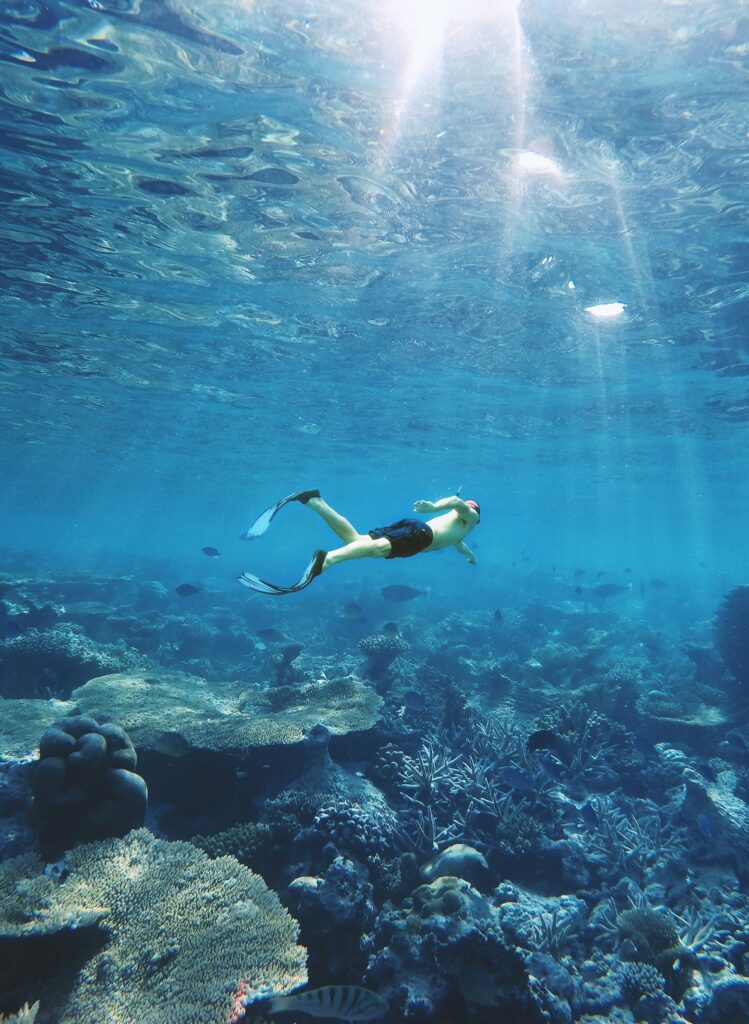
With Fushidhiggaru Falhu – the proposed area for RasMale’ – being one of the Maldives largest reefs, the reclamation of the island is bound to negatively affect the tourism industry, especially since the area is part of the South Male diving route.
There is also the concern about the tunnel’s contribution to climate change. The energy required for the tunnel’s operation, ventilation systems, and lighting, especially if the structure is transparent, could result in a substantial carbon footprint. As a low-lying island nation, the Maldives is highly vulnerable to the effects of climate change such as rising sea levels.
PROCEED WITH CAUTION
President Dr Muizzu’s announcement of an underwater railway tunnel between Male and RasMale’ is an ambitious initiative. Eventhough the President claims that discussions about the project are ongoing with reputable companies, beyond its novelty, the feasibility of such a project remains suspect. From the economic burden of building and maintaining an underwater tunnel to the environmental impact and implications for eco-tourism, there are many factors to carefully consider before going ahead with such a project.
Even on a path to progress, government officials must do their due diligence and perform comprehensive assessments that include safety, economic viability, and environmental sustainability. The proposed undersea tunnel might be a technical wonder, but it is important to proceed with caution to ensure that the advantages balance the possible hazards and negative impacts on both the economy and the Maldives’ vulnerable marine habitats.