

Report: from Nationalism to Fascism — A Slippery Slope
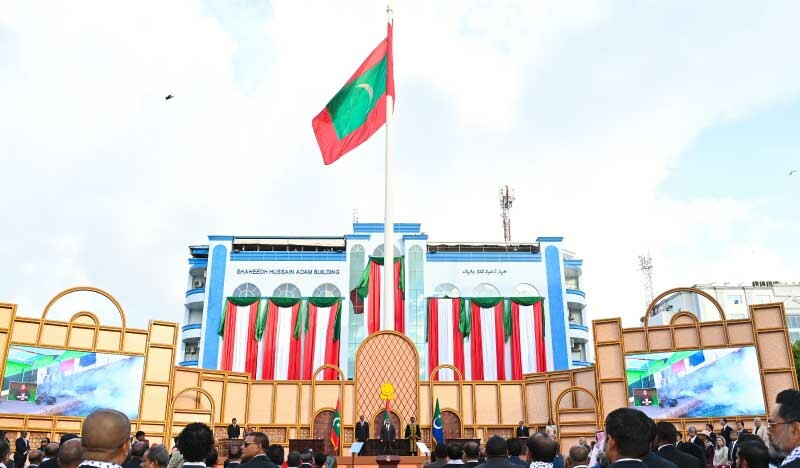
Last week, the cabinet announced its decision to introduce nationalism as a distinct subject in the Maldives school curriculum. The goal is to build a sense of nationalism and cultivate a generation of Maldivians who hold their culture and heritage in high esteem, according to the President’s Office.
Public response, however, has been mixed. Some say that teaching nationalism to young children will lead to a divided community, and others believe that there is nothing wrong with being proud of our unique shared identity.
The move to introduce nationalism into the classroom raises valid concerns about sowing seeds of exclusion rather than solidarity amongst Maldivian youth.
History of Nationalism and Linking Nationalism with Religion
According to the Maldives constitution, the Maldivian identity is inextricably linked to our religious identity as Muslims. Unfortunately, the link between religion and nationality has long been abused by those who seek to consolidate power.
The term “a 100% Muslim nation” was coined by former president Maumoon Abdul Gayoom. Receiving his education from the prestigious Al-Azhar University, the former president presented himself as more than a political authority but also as a religious leader. As a result, Gayoom had a 30-year strong hold over the presidency marked by brutal authoritarian practices.
The Rise of Extremism Stems from Nationalism
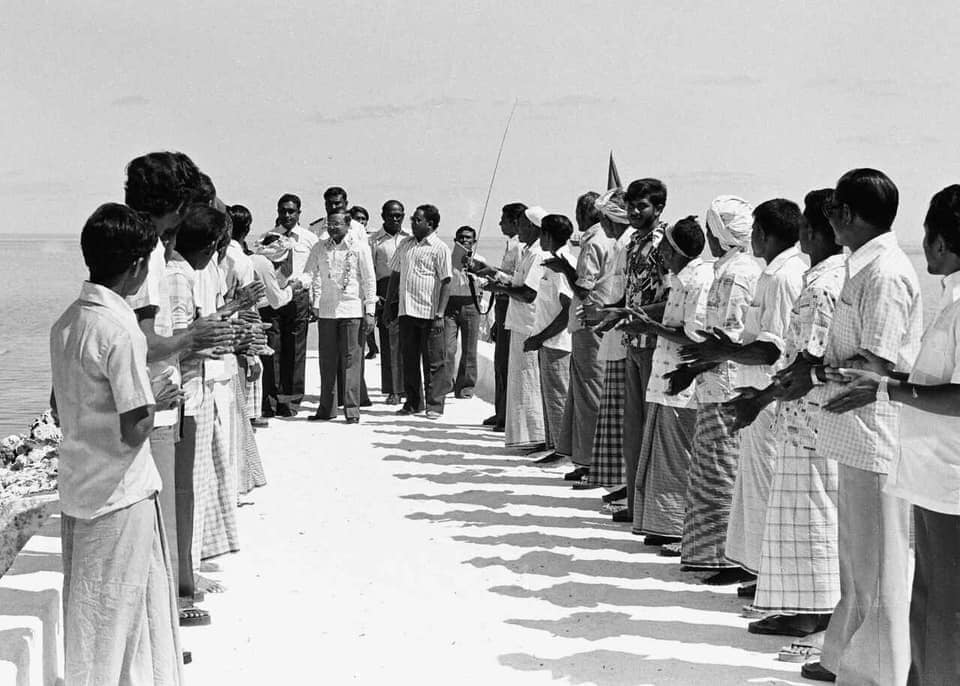
Gayoom’s authoritarian regime paved the way for extremist movements shaped by outside influences to infiltrate Maldivian society. For example, Sheikh Mohamed Ibrahim was a religious scholar educated in Pakistan who was exiled to Laamu Atoll Kalhaidhoo island in the 1980s for challenging Maumoon’s version of Islamic governance. The anti-government stance held by the scholar added weight to his radical views, which included shunning tourism industry revenue due to “haram” or un-Islamic components. Consequently, there was a rise of segregated prayer groups in the area who rejected government-built mosques.
Several reports have proved that the 2004 tsunami was a landmark opportunity for groups of Islamic radicals to take root in Maldivian society. Fronting as charities and humanitarian aid groups, one of these terrorist groups targeted the communities of Laamu Atoll, which had been one of the hardest-hit regions during the crisis. These vulnerable people were told that only those who joined the group and agreed to spread their ideology would be granted aid and funding. A significant number of Maldivian citizens have been recruited for jihad in a foreign country since then. While the reported numbers vary from 52 to 250 people, due to our small population the Maldives is considered to be one of the major contributors to extremist groups in the region on a per capita basis.
A more recent example of how Islamic Nationalism has permeated our politics is from 2022 when an angry mob halted a Yoga Day event hosted by the Indian High Commission; some participants were attacked and the venue was vandalised by the protesters.
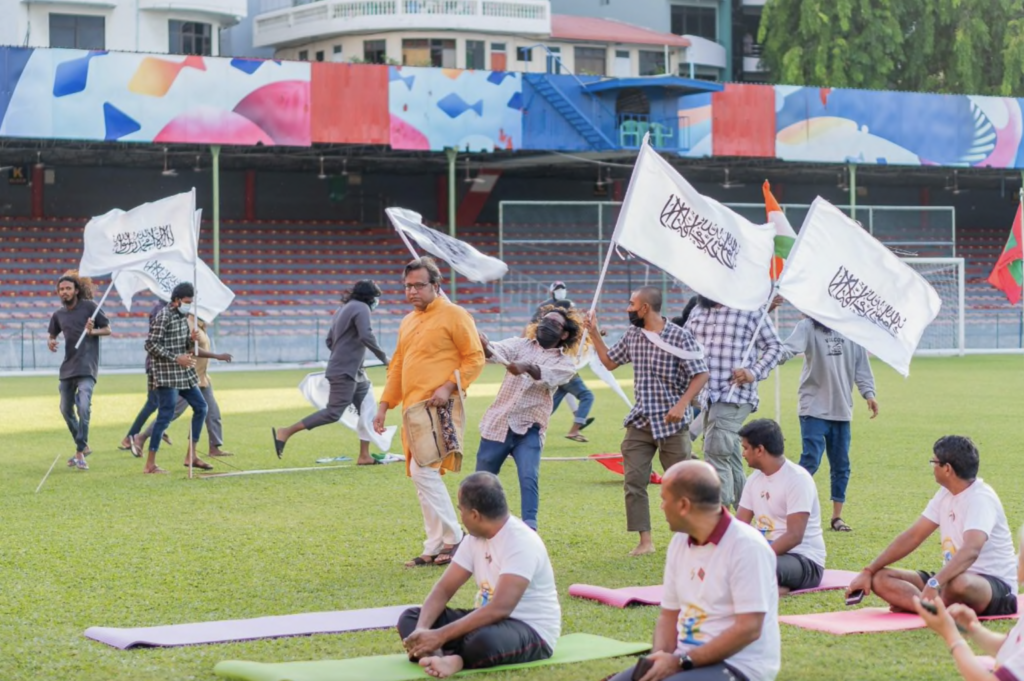
Likewise, the India Out campaign fuelled xenophobic rhetoric with several politicians also making racist remarks. The backlash from the international community included the Indian-led Boycott Maldives campaign which even saw cyber-attacks on government websites. Ultimately, nationalist rhetoric has deteriorated our long-standing diplomatic relations with India.
Nationalism And The Demonisation of Diversity
Another point to note is the danger posed by nationalistic ideals to the diversity of the Maldivian population. The Maldives may be an ethnically and religiously homogeneous society, but there are marked differences in the dialects and cultural traditions practised across various island populations.
Maumoon’s regime favoured people of noble birth, notably those who belonged to the capital city of Male’. It is the Male’ dialect used in official government correspondence and considered as the mainstream or proper way to speak. Nationalism can give reverence to political and historical figures in addition to the islands or families that they originate from. If one island is deemed superior to another due to its connection to a national figure, this can once again breed division amongst a population spread across hundreds of islands.
Nationalism, when introduced into the classroom setting, could be a powerful force shaping the identity of the next generation of Maldives. Despite advocates arguing that instilling a sense of national pride from a young age fosters unity and a shared sense of belonging, an emphasis on a singular narrative may marginalize voices that deviate from the perceived norm, potentially sowing seeds of resentment and division.
There is a risk that teaching nationalism can evolve into jingoism, which is an extreme form of patriotism that can foster an “us versus them” mentality. Since Maldives virtually has no group of “others”, introducing these concepts to a younger generation could potentially make them vulnerable to the propaganda of radical Islamists, providing them with even younger recruits to fight in foreign wars.
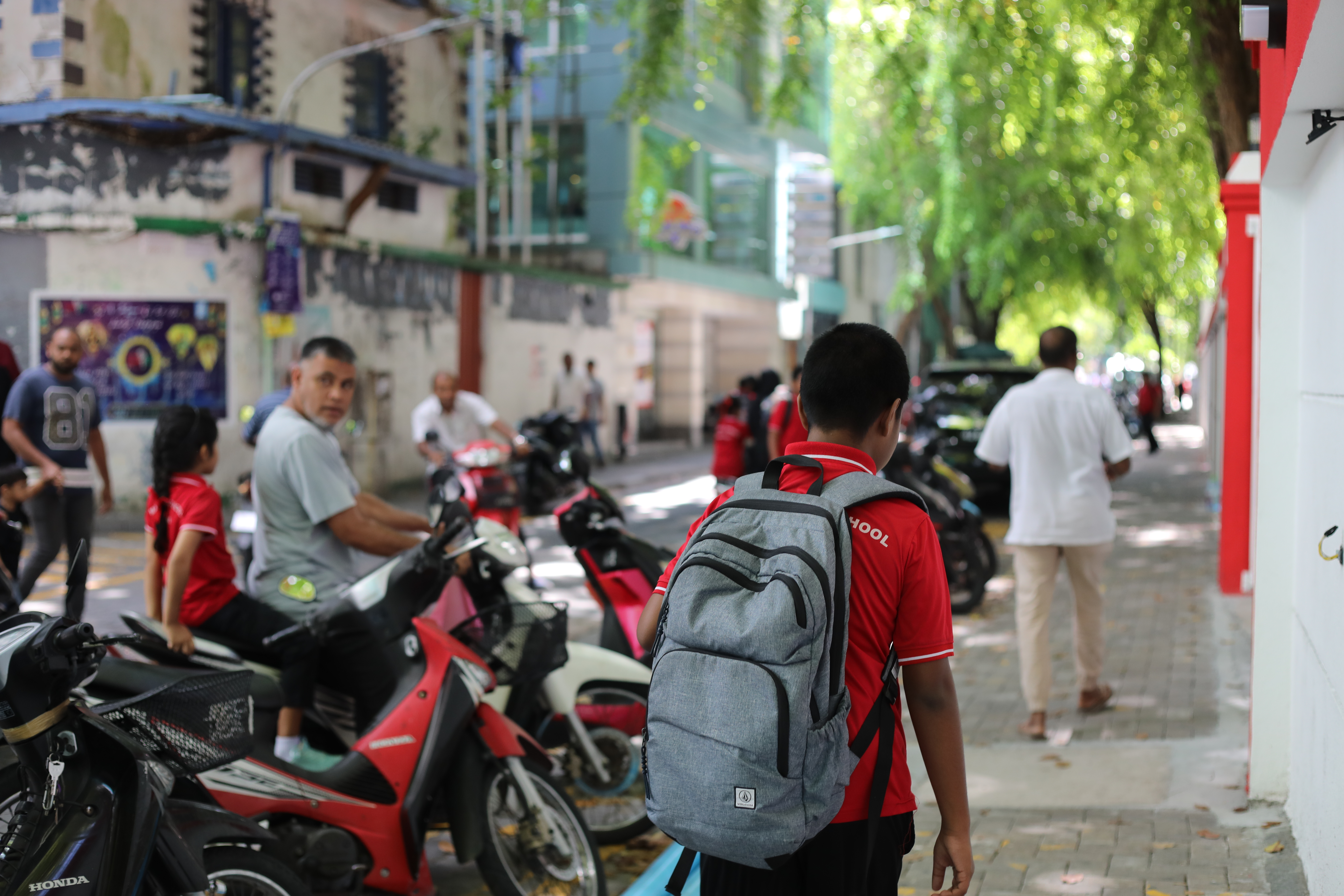
An overly nationalistic curriculum can also limit critical thinking by presenting a one-sided view of history and current events. This can hinder students’ ability to analyze and question information independently.
Jingoism essentially leads to intolerance, xenophobia, and a lack of appreciation for cultural diversity. Muizzu’s electoral campaign ran on a platform of removing Indian military forces from the Maldives, fuelling anti-Indian sentiments. Considering that the Maldives has a large Indian expatriate community working as teachers, nurses, doctors and other highly skilled professionals, it is counterproductive to scapegoat a group of people that have made significant contributions to our society for decades, all in the name of nationalism.
Striking A Balance
The Maldives, heavily reliant on tourism as a cornerstone of its economy, faces a unique problem of balancing national pride with an open, welcoming attitude towards a diverse range of visitors. The challenge lies in crafting an educational landscape that navigates the delicate currents of nationalism, steering away from toxicity and embracing the vibrant diversity that defines the Maldives.
The key lies in striking a balance. An education system that teaches nationalism alongside a broader understanding of global citizenship, cultural diversity, and critical thinking can provide a well-rounded and inclusive educational experience. It’s important to present historical events and national values in a nuanced way, acknowledging different perspectives and fostering an environment that encourages open-mindedness. If not, nationalism will surely undermine the system of democracy Maldivians have spent so long to establish, and lead our nation to fall under the thumb of facist leaders.