

Education Gap is a Barrier to Develop Human Resources in the Maldives, Says World Bank
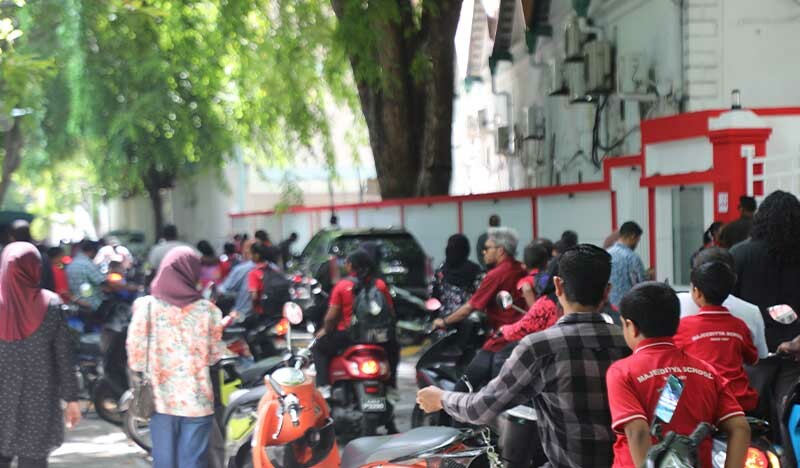
Photo: MV+
The World Bank has highlighted the concerns regarding the quality of education in the Maldives, underscoring a pressing human capital challenge facing the nation.
The Human Capital Review (HCR) report for the Maldives, conducted by the World Bank, reveals substantial disparities across geography and gender that impede the country’s ability to achieve its full potential.
advertisement

Key findings from the report indicate that while a Maldivian child can anticipate 12.4 years of schooling, the actual learning achieved amounts to only 8.17 years, indicating a substantial loss of 4.32 years attributable to educational deficiencies. This shortfall surpasses averages observed in both upper-middle-income countries (UMICs) and small island states.
Moreover, the report notes that upon entering the labor market, individuals in the Maldives are burdened by a 23 percent loss in future productivity due to current levels of human capital. Low employment rates, particularly among women, exacerbate this challenge, reflecting systemic barriers within the labour market.
Spatial inequalities further compound the issue, with children born in Male’, the capital city, expected to achieve significantly higher levels of potential (64 percent) by age 18 compared to those born in other regions, who may only reach 54 percent of their potential.
The Maldivian economy’s susceptibility to shocks, notably from its heavy reliance on tourism, coupled with the existential threat posed by climate change, exacerbates these challenges, particularly for vulnerable populations lacking adequate resources to mitigate the impacts.
In response to these findings, the World Bank has proposed a series of policy recommendations:
- Addressing geographic disparities in education access, with a focus on remote regions.
- Enhancing the quality and relevance of education, including teacher training and curriculum development.
- Scaling up interventions to combat child stunting and improve overall health and nutrition.
- Promoting gender equality and facilitating better employment outcomes for women.
- Improving governance and accountability in social sector spending, alongside enhanced monitoring and evaluation mechanisms.
These recommendations aim to mitigate the identified challenges and foster sustainable human capital development in the Maldives, ensuring equitable opportunities for all citizens.