

FACT-CHECK: Who Are The Victims of Human Trafficking?
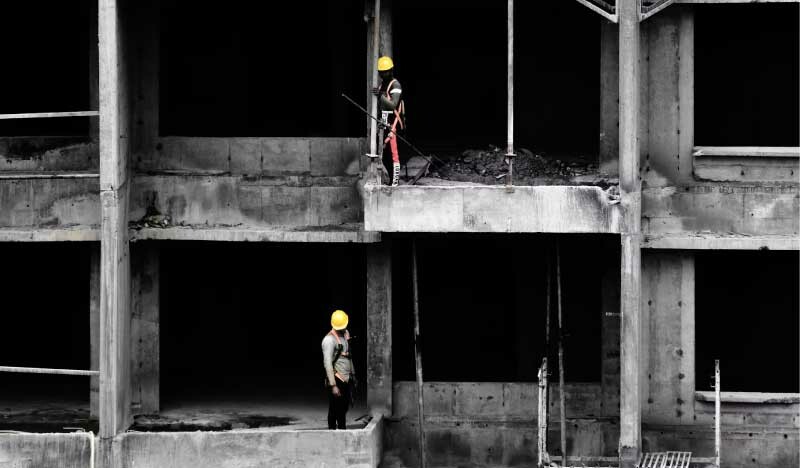
Photo: Unsplash
Human trafficking is a serious problem in the Maldives that needs our attention, and it’s important to correct common misunderstandings to fully understand the extent of the issue. According to the Ministry of Homeland Security, widespread misconceptions among Maldivians include the belief that trafficking only impacts foreigners and that trafficking involves moving people across borders.
Various sources, including experts, human rights organizations, and government reports, show a more complex and concerning reality within the Maldives.
advertisement

CLAIM: Trafficking Only Affects Foreigners
FACT-CHECK: False
While many associate trafficking with moving people across borders, that’s only one form of trafficking.
The US Department of Justice defines human trafficking as “a crime involving forcing or coercing someone to provide labour or sex services.” This coercion can be subtle or overt, physical or psychological. Exploiting a minor for sex is trafficking, regardless of whether force, fraud, or coercion was used.
Sex Trafficking
Past reports reveal a troubling picture of internal trafficking, revealing that many Maldivian children have been subjected to sexual abuse and coerced into sex work.
In a 2013 article on Minivan News, psychologist Dr. Aishath Ali Naaz highlighted the widespread practice of child sexual abuse in the Maldives, often involving prostitution. She told the newspaper that child prostitution in Laamu Atoll had become so shockingly normalized to the point where underage victims considered it normal.
According to the article, the exploitation ranges from grooming children with gifts to parents actively coercing their children into sex work, some as young as 12.
Labour Trafficking
Maldives is a “destination country”, which in the human-trafficking context refers to the destination where victims are taken for forced labour or sexual exploitation. Government estimates in 2013 indicated that nearly one-third of the Maldives’ population of 300,000 consisted of migrant workers, with up to 50,000 having irregular status. These migrants, primarily from Bangladesh and India, work in the construction and service industries and are susceptible to fraudulent recruitment, confiscation of documents, wage theft, and debt bondage, regardless of their immigration status.
Government Response
The Maldives criminalised human trafficking in 2013, with perpetrators facing 10 to 15 years imprisonment if convicted under the Anti-Human Trafficking Act.
The Maldives 2023 Trafficking in Persons Report by the US Department of State reveals that the government investigated two trafficking cases involving three suspects, compared to one case the previous year. They prosecuted four alleged traffickers in a sex trafficking case, including three Maldivian men and one Bangladeshi man. In 2022, the government convicted two sex traffickers – the first convictions in two years. Another suspect was acquitted of sex trafficking charges that year, despite being convicted for forced prostitution.
Corruption and official complicity in trafficking crimes is a driving factor behind this inhumane practice. The report highlights an ACC investigation launched in 2019 against 27 labour recruitment agencies and several Maldives Immigration officers for potentially facilitating human trafficking. The report further notes that the Prosecutor General’s Office (PGO) dismissed human trafficking charges against a ruling Parliamentarian from the previous reporting period. The Parliamentarian, who served as the managing director of the construction company contracted for resort development, was accused of various offences including non-payment of salaries, intimidation, and exploitation of two labour trafficking victims among 200 migrant workers at a resort construction site.
Additionally, the report states that authorities did not pursue charges against a police officer arrested in 2022 for alleged involvement in a sex trafficking case. Moreover, there were no reported actions taken following the arrest by Sri Lankan police of a former senior Maldivian government official in July 2021, who was allegedly linked to a child sex trafficking ring in Sri Lanka. Allegations surfaced that labour inspectors and judges accepted bribes to overlook labour violations or dismiss cases, and there were reports of some officials tipping off businesses in advance of planned law enforcement operations.
The Maldives is classified under the Tier 2 country watchlist, indicating that while the government is making efforts to combat trafficking, it does not fully meet the minimum standards. Efforts include convicting traffickers for the first time in two years and establishing regulations for recruitment agencies. However, there are shortcomings in areas such as victim identification and protection, as well as holding complicit officials accountable.
Helping Trafficking Victims
Traffickers use various methods to lure victims, including violence, manipulation, false promises of jobs, and romantic relationships. Victims may not seek help due to fear or trauma caused by their traffickers. Some human trafficking indicators as specified by the US State Department include:
- Lives with employer
- Poor living conditions
- Multiple people in a cramped space
- Inability to speak to individual alone
- Answers appear to be scripted and rehearsed
- Employer is holding identity documents
- Signs of physical abuse
- Submissive or fearful
- Unpaid or paid very little
- Under 18 and in prostitution
Recognizing indicators of trafficking is crucial in identifying victims, but not all indicators may be present. It’s important not to confront suspected traffickers directly or alert victims, as law enforcement should handle these cases.