

A Closer Look at the Problems Plaguing Maldivian Chess
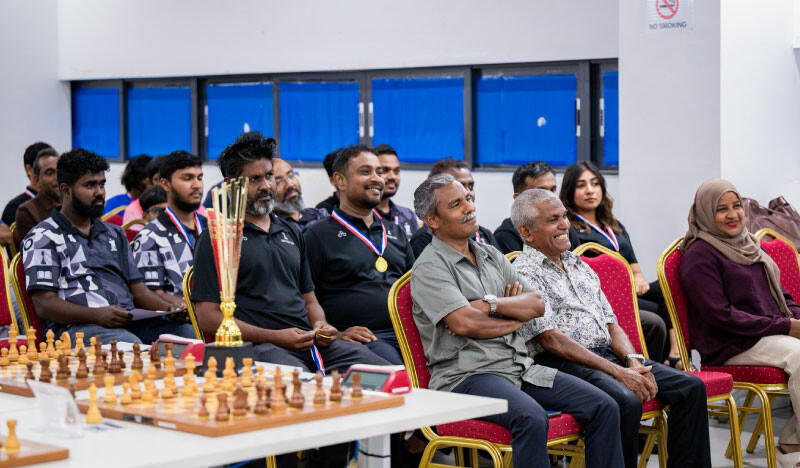
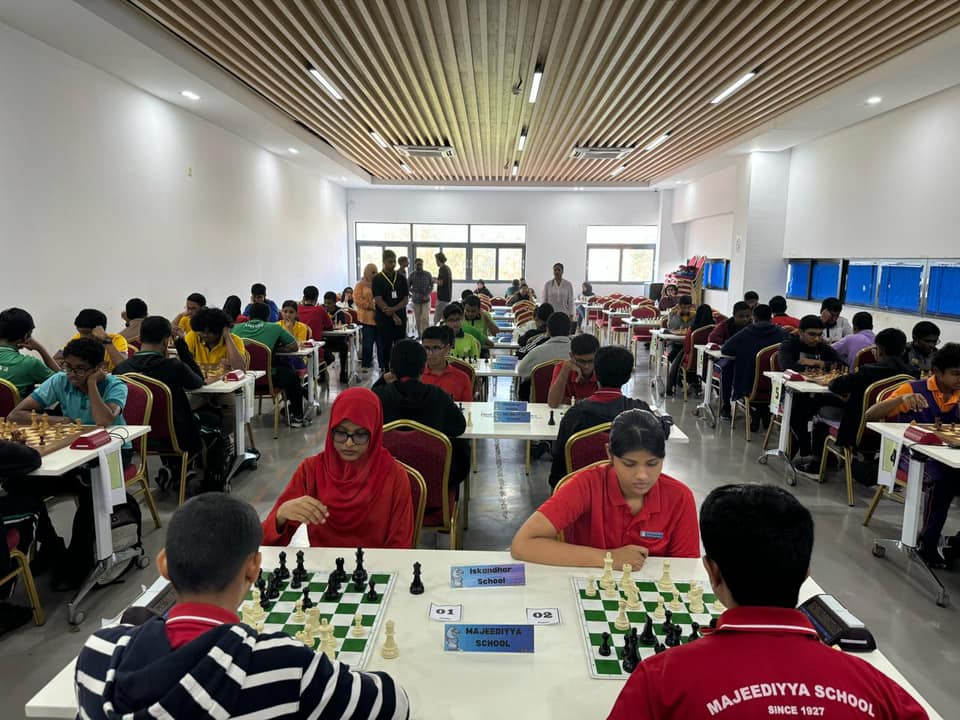
Photo: Maldives Chess Association
The Maldives Chess Association (MCA) faces intensifying allegations of chronic mismanagement, repeated scheduling chaos and failure to uphold basic standards at its tournaments, as senior players and other chess-affiliated organisations voice long-standing concerns over the association’s operations.
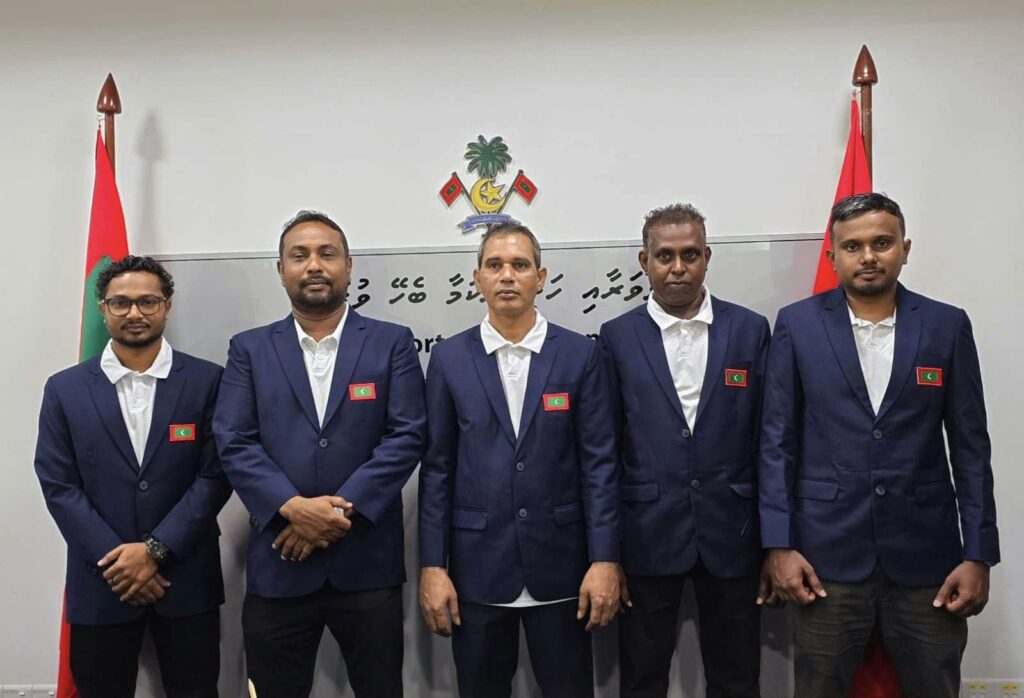
Information shared by Maldives Chess, an independent players’ body, and testimony from five-time national champion Muhammed Shuaau, who has been competing since 2012, describe a culture of last-minute delays, inadequate amenities, falling participation and an unresponsive leadership that has failed to address persistent issues.
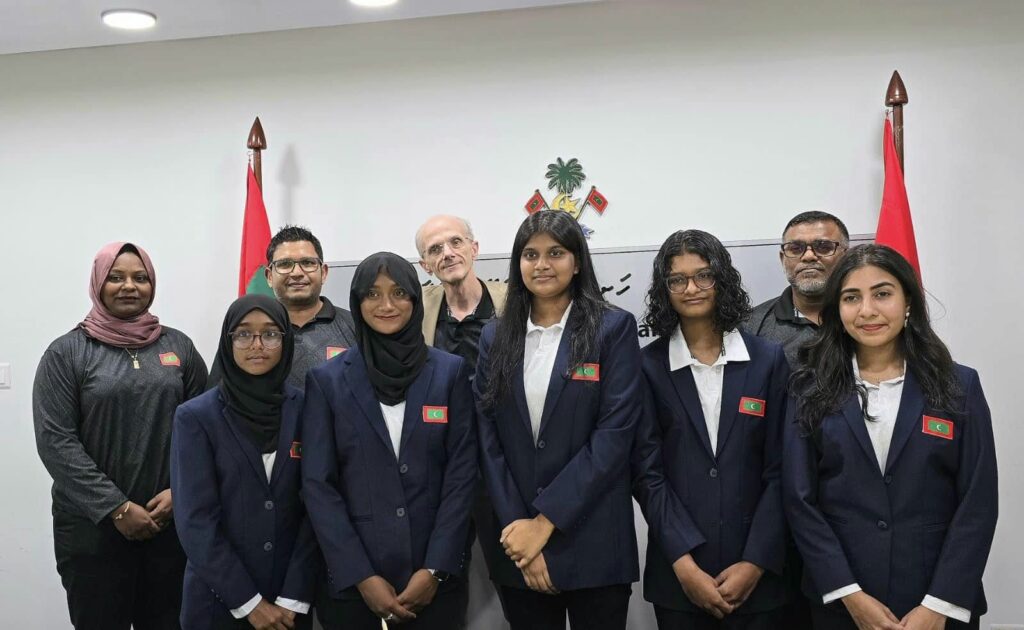
Players Say Constant Delays Are Disrupting Careers
Players say tournaments repeatedly begin late, with schedules changing unexpectedly—often with just hours’ notice.
The Civil Service Chess Championship, initially listed for 25–27 October, resurfaced months later in the government gazette with new dates of 22–25 November, before being postponed several more times due to incomplete venue renovations.
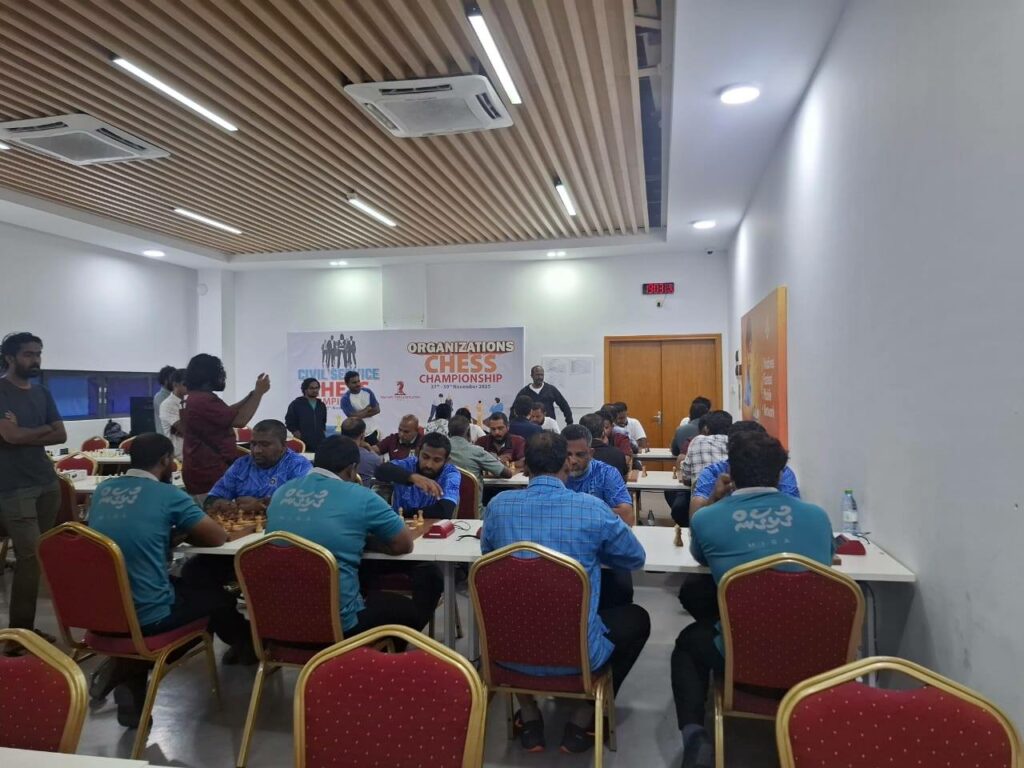
This pattern, players note, extends across multiple events: the 2024 Club Chess Championship, previous Civil Service chess events, and the National Championships—recently shifted from October to December with only a week’s notice.
“Every tournament is delayed at the last minute,” Shuaau said. “Changing lights should not take three whole days.”
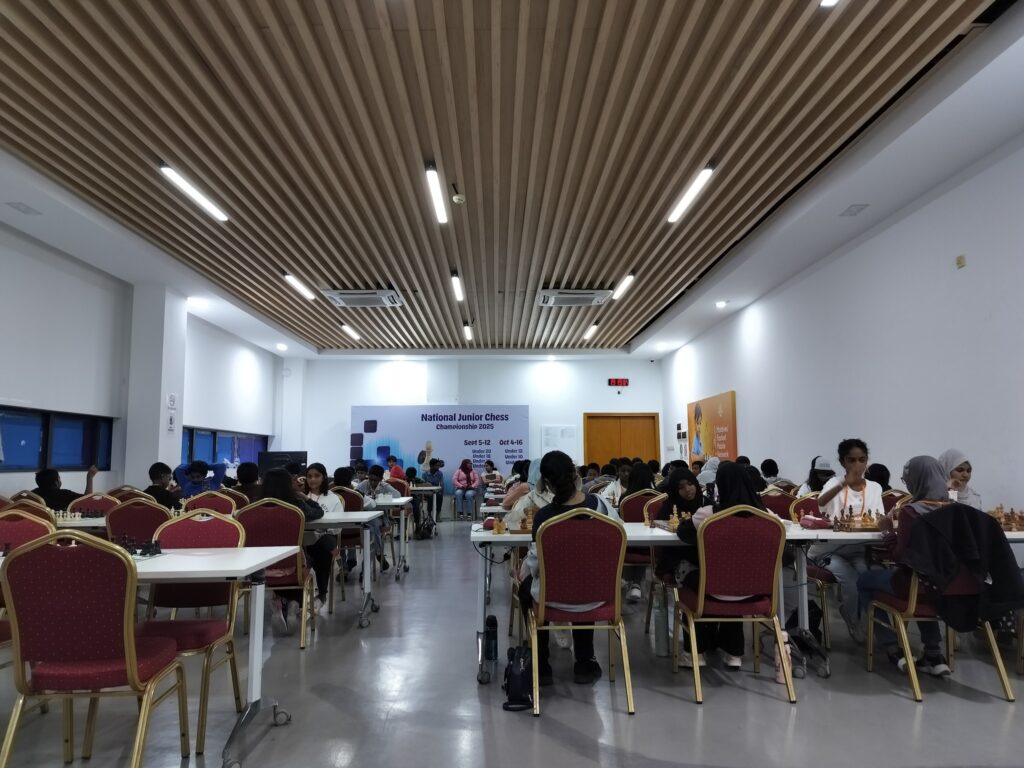
He added that last-minute changes force players to abandon personal plans or risk losing national team selection opportunities: “Missing the national championship means missing my chance to represent Maldives.”
Island players also incur extra accommodation costs, while civil service players lose approved leave when schedules shift after arrangements are already in place.
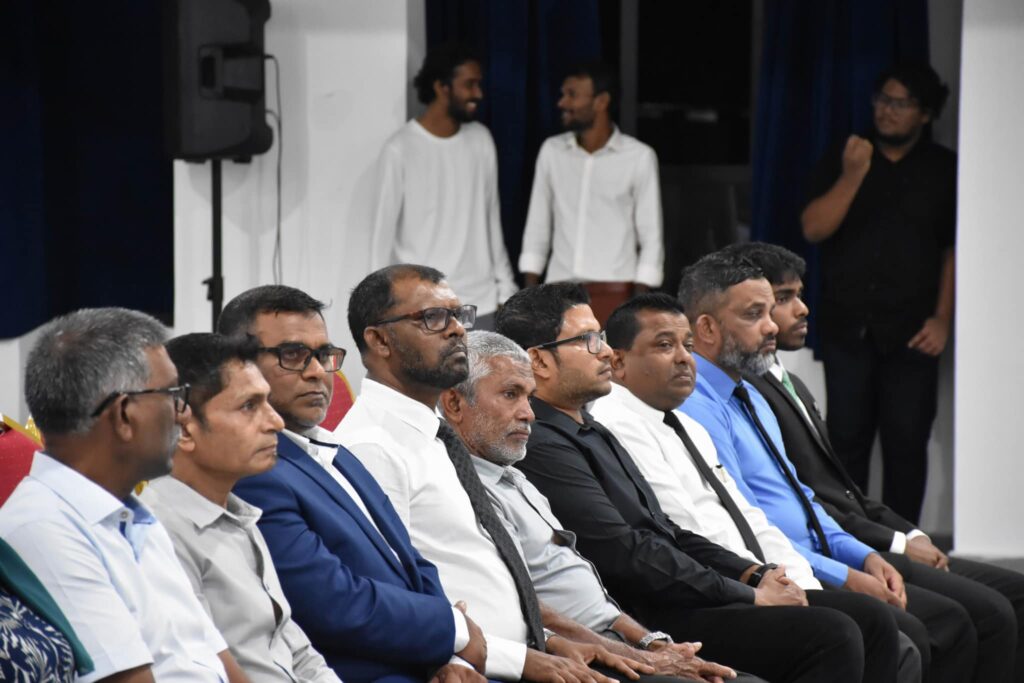
Maldives Chess and Shuaau both highlighted unacceptable facility standards. Toilets at recent tournaments lacked soap and tissue, and no refreshments—water, tea or coffee—were available despite participation fees of MVR 2,000 per team.
“In other countries, coffee or tea is at least sold,” Shuaau said. “Here, they can’t even do that much.”
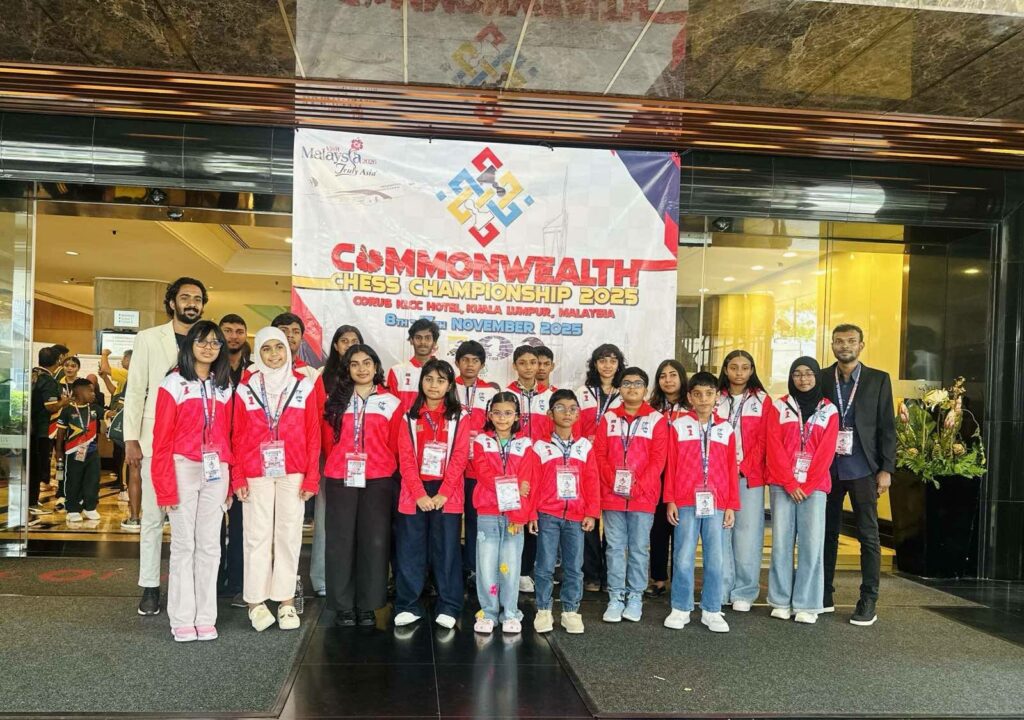
Participation has dropped sharply, with only six teams registered in the civil category this year—down from more than 20 in earlier editions. Players say enthusiasm has fallen as the quality of organising declines.
Concerns Over Leadership and Long-Standing Inaction
Shuaau said he has raised issues directly with MCA president Nooh Ali without meaningful response:
“He just does whatever he wants. They run that place as if they are running a corner shop.”
He added that for 13 years he has seen no real progress in facilities or player development, and that MCA presidents often fail to act once elected.

Players also pointed to structural flaws: clubs gain voting power simply by taking part in a minimum number of events, regardless of their contribution to the sport, enabling political control without accountability. The next MCA election is expected in 2027, though players doubt change will come without significant reform.
Prize Money Still Unpaid
Frustrations further escalated after prize money from the National Club Chess Championship 2025 remained unpaid more than a month after the event concluded.
Shuaau said his team, Stone Wall Chess Club, which won MVR 10,000 for second place, has not received the amount. The first-place team, awarded MVR 25,000, also remains unpaid.
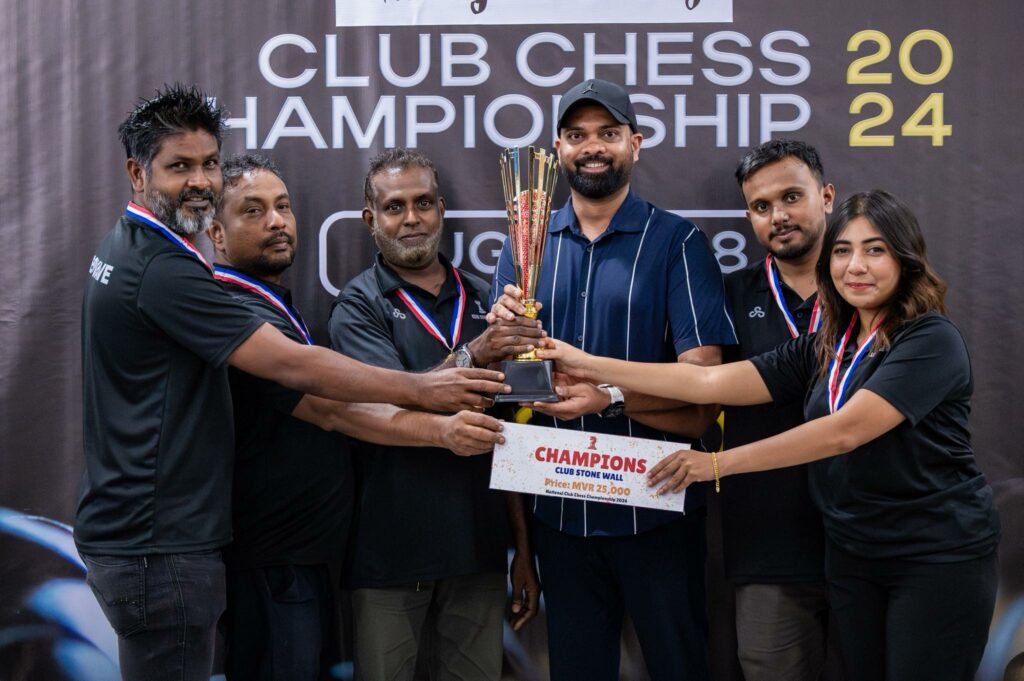
“The president first didn’t give a date, then told us to contact our club president and send account numbers, but nothing has been paid,” he said.
Meanwhile, the MCA has launched the Inter-Office Championship with a MVR 20,000 prize fund, prompting questions over financial priorities.
MCA President Responds: ‘People Should Know the Whole Story’
In an interview, MCA president Nooh Ali acknowledged the delays but defended the association’s actions, arguing that the circumstances are more complicated than players suggest.
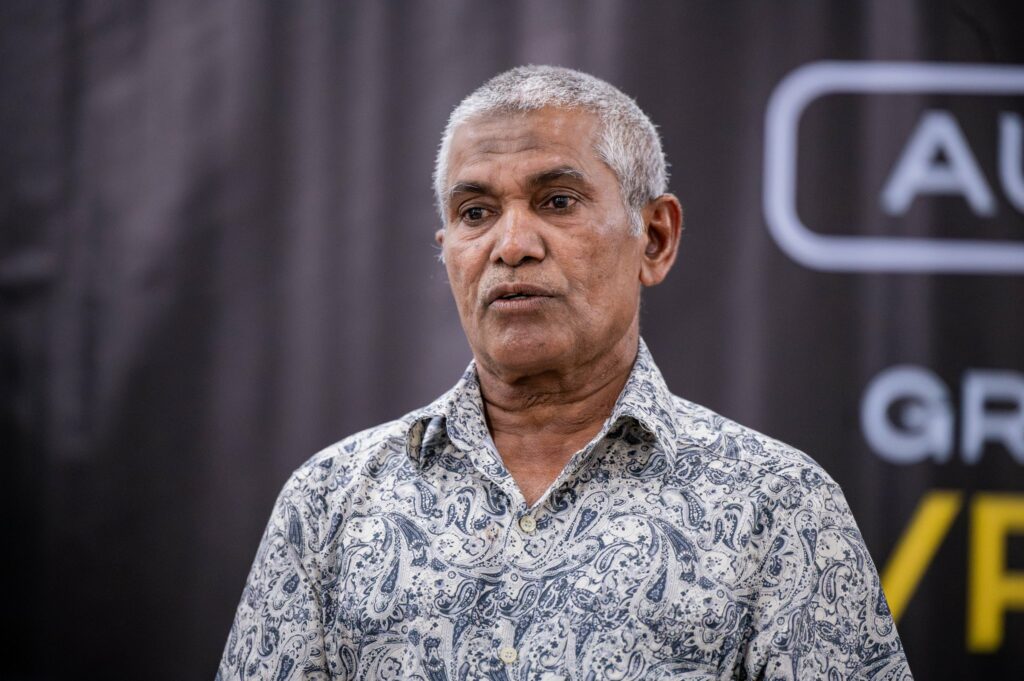
Delays Linked to Venue Capacity and Prior Events, Nooh Says
According to Nooh, delays cascaded after junior tournaments drew 260 participants—far above the arcade’s maximum capacity of 112.
“We had to prolong the tournament, so we had to delay all tournaments accordingly,” he said.
He also linked some delays to required maintenance: “Hall lights needed changing, so we needed to change it.”
Responding to criticism about poor toilet facilities, Nooh said the MCA is not responsible for providing soap or tissue.
“We request the ministry (Ministry of Sports and Recreation) who are in charge of the arcade. They say soap is there. But carrom players and billiard players also use the toilets. So after ministry says they have provided, it’s not MCA’s problem.”
He added that amenities such as drinking water are not standard in many international events: “Even in the Commonwealth tournament, no pen, no water was provided. MCA does not have to provide water.”
Financial Constraints: ‘We Don’t Get the Budget to Provide Amenities’
Nooh said the association lacks the funding to offer refreshments.
“We don’t get sufficient funds or the budget. We have to pay officials, arbiters, helpers, and prize money. We can’t do all that with just participation fees.”
Regarding the MVR 2,000 fee, he added: “I don’t force them to participate. If it is too high, then don’t play.”
Unpaid Prize Money: Awaiting Ministry Funding
Nooh confirmed the delay in prize payouts, saying the MCA had requested funding from the ministry a month before the tournament but had received no response.
“The ministry prioritises paying for tournaments abroad, not local ones. But we will pay the prize money very soon,” he said—without giving a date.
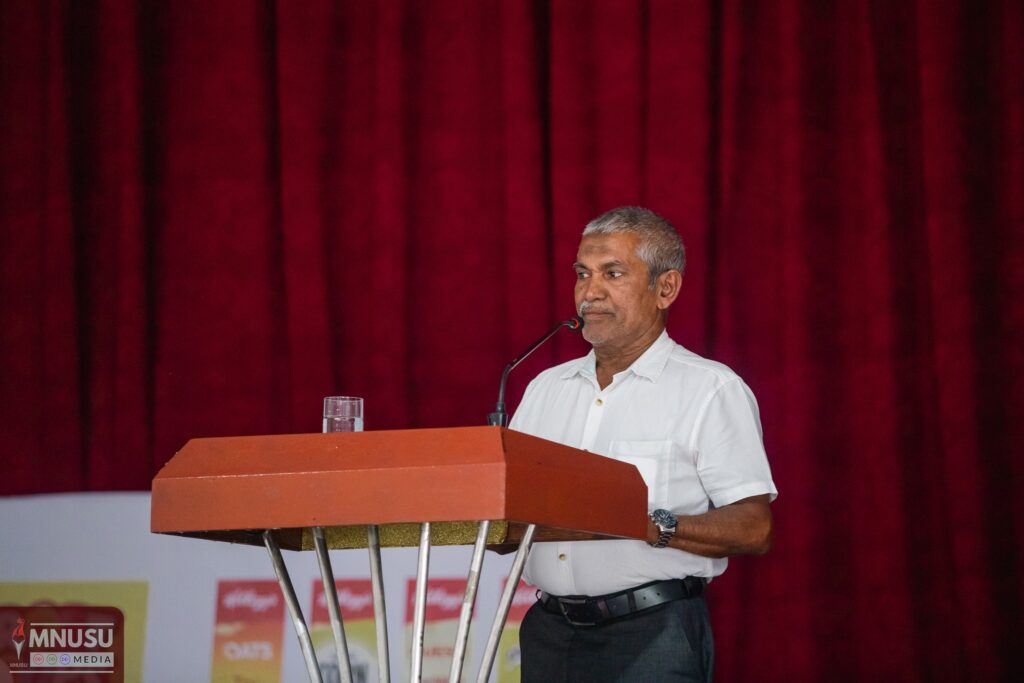
Nooh argued that the fundamental challenge is the lack of a proper venue.
He said an agreement dating back to former president Mohamed Waheed’s administration promised the MCA a plot of land near Huravee School in Hulhumalé, but the deal has never been finalised.
“Tennis has gotten so many courts. Why? Because resort owners and wealthy people are involved. I am not a resort owner,” he said.
“If they give us that 13,000 sq ft land, I will build an amazing hall. Then we won’t need government funding. Chess will be self-sustaining.”
Nooh said the government’s increased sports budget for next year could improve scheduling and reduce delays.
“God willing, we will get more support,” he said. “Next year we will follow the schedule—unless something major happens.”
Despite the president’s explanations, players say the underlying issues remain unaddressed. With confidence in the MCA at a low point, players warn that unless structural reforms and facility improvements are prioritised, the sport risks further decline in both participation and competitive standards.