

Ameer Refutes Minister Shiyam’s Claims of Unpaid Dues to Fishers
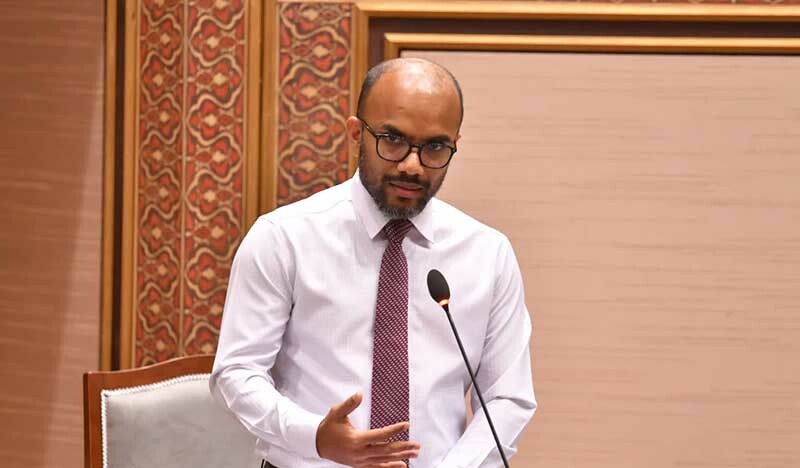
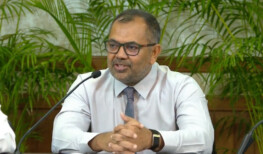
Former Finance Minister Ibrahim Ameer has disputed Fisheries Minister Ahmed Shiyam’s assertion that the government owed MVR 250 million to fishers when President Dr. Mohamed Muizzu took office, branding the claim as “completely false.”
Taking to social media platform X, Ameer revealed that as of November 16, the final day of former President Ibrahim Mohamed Solih’s tenure, the state-owned Maldives Industrial Fishing Company (MIFCO) owed fishers MVR 185 million.
Ameer further disclosed that subsequent to the approval of a supplementary budget, efforts were made by the previous administration to release funds, with MVR 100 million earmarked for the incoming government to facilitate payments to fishers.
However, Minister Shiyam countered Ameer’s assertions, claiming that since Muizzu assumed office on November 17 of the previous year, over MVR 276 million had been disbursed to fishers. Shiyam attributed the release of funds to the support of Muizzu and the government, citing favorable fishing conditions as contributing to the unpaid balance, which he estimated at around MVR 190 million.
Acknowledging the challenges in securing a facility for payments due to the financial policies of the previous administration, Minister Shiyam assured that efforts were underway to address the backlog and expedite payments to fishers. Muizzu echoed this sentiment, affirming his commitment to ensuring fishers receive their dues, even if it necessitates securing a loan through the state-run company MIFCO.
Minister Shiyam emphasised the government’s dedication to resolving issues within the fishing sector, aiming to implement its manifesto promises and bolster fishing revenue. He underscored the hardships faced by fishers due to delayed payments, affecting their ability to meet essential financial obligations.
As the debate continues between former and current officials, fishers remain hopeful for a swift resolution to the outstanding payments, crucial for sustaining their livelihoods and meeting basic needs.