

Attorney General Defends Amendments to Media Regulation Bill Amid Press Freedom Concerns
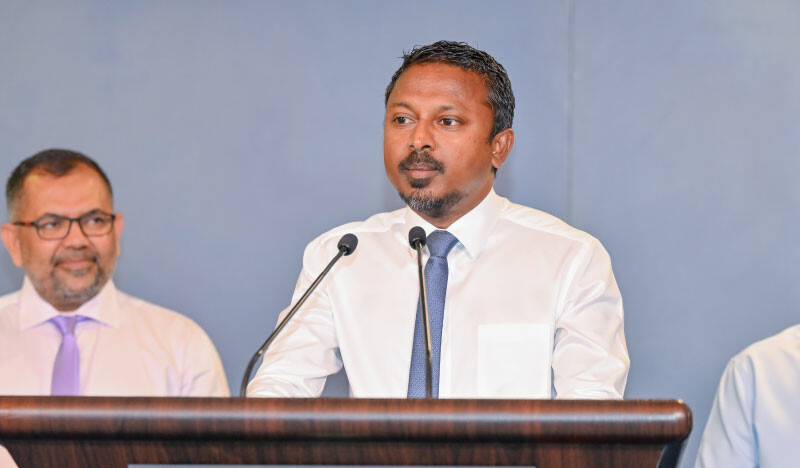
Photo: The President’s Office
The Attorney General’s Office has defended its decision to introduce amendments to the proposed Media and Broadcasting Regulation Bill, insisting that the changes are intended to strike a balance between protecting press freedom and safeguarding the public from harm and disinformation.
Attorney General Ahmed Usham acknowledged that the bill submitted to the People’s Majlis contained shortcomings but said that his office had reviewed the draft and proposed key revisions. These include clarifying vague definitions, such as “electronic media”, and removing provisions that allowed for direct punitive action against individual journalists. Usham said that, as with most bills, details would need to be refined and concerns addressed through dialogue and input from stakeholders during the committee stage. He added that the amendments were designed to ensure there was no unnecessary intrusion in the media while protecting the public from harm and disinformation.
I agree that there are issues in the Bill submitted to Majlis. It is for this reason that we reviewed the Bill and submitted important amendments.
As with most Bills, details will have to be refined and concerns will have to be addressed through constructive dialogue and input… https://t.co/zZZ3N1GDP4 pic.twitter.com/PUVQQLO4D7— Ahmed Usham (@a_usham) September 12, 2025
The bill, tabled on 18 August by Independent MP Abdul Hannan Aboobakuru, who is aligned with government MPs, seeks to dissolve the Maldives Media Council and the Broadcasting Commission of Maldives, replacing them with a new seven-member Maldives Media and Broadcasting Commission. It grants the new body powers to regulate the media, including the authority to impose fines, suspend outlets, and block content. Critics have argued that vague terms such as “public order” and “national security” could be used to arbitrarily restrict reporting.
Usham has said the amendments it submitted are designed to limit the scope of penalties, improve clarity in terminology, and reduce the President’s direct role in appointing members of the new commission. The bill is now under review by the Independent Institutions Committee, which has been tasked with reporting back by 15 September. The committee is currently seeking input from the public and consulting media stakeholders before finalising its recommendations.
ނޫސް ބަޔާން: މޯލްޑިވްސް މީޑިއާ އެންޑް ބްރޯޑްކާސްޓިންގ ރެގިއުލޭޝަންގެ ބިލަށް ބަންޑާރަނައިބުގެ އޮފީހުން ހުށަހަޅާފައިވާ އިޞްލާޙުތަކާގުޅޭ
ލިންކް: https://t.co/vLxCnIbdqw pic.twitter.com/ENnICJOmfE— AG Office Maldives (@AGOmv) September 10, 2025
Media groups and civil society organisations have warned that the draft, if passed without safeguards, could erode media independence. Journalists have staged protests outside parliament and the President’s Office, calling for the bill to be withdrawn altogether rather than amended. Tensions escalated further on 10 September when journalists were forcibly removed from a closed meeting of the Parliament’s Committee on Independent Institutions, which is tasked with reviewing the bill. Committee members defended the decision to meet in private, citing the need to protect personal details contained in public submissions.
The move has fuelled wider concerns that the committee’s work is being conducted in secrecy, undermining transparency over legislation that could reshape the media landscape. Critics argue that closing the doors to journalists prevents the public from properly scrutinising how amendments are being discussed and whether press freedom will be adequately protected.
While the government insists that the amendments will safeguard both media freedom and the public interest, many journalists remain sceptical, arguing that the bill still risks placing excessive regulatory power in the hands of a politically appointed body. Observers note that the outcome of the committee stage will be critical in determining whether the final legislation strengthens accountability in the media sector without undermining fundamental freedoms.