

Experts Warn Referendum Question May Breach Constitutional Rules
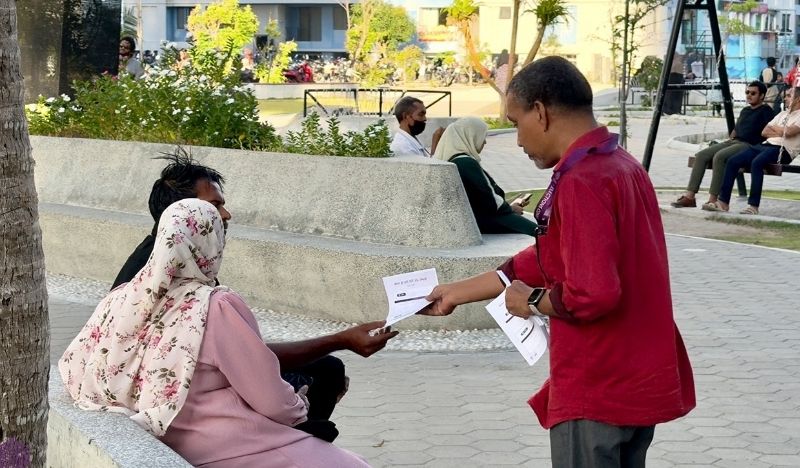
ECM officials distribute informational flyers to raise public awareness ahead of the 2026 referendum. | Photo: ECM
Former Supreme Court Justice Husnu Al Suood has raised concerns over the legality of the proposed referendum question for the government’s 8th Amendment to the Constitution, warning that its current wording may not meet constitutional standards.
In posts on X, Suood cited Article 262 of the Constitution, which governs referendums, noting that any question put to voters must be clear, direct, and specific to the constitutional change being proposed. The amendment includes provisions to alter the term of the People’s Majlis, a change requiring explicit public approval.
ރެފަރެންޑަމްގައި ރައްޔިތުންނާ ކުރެވޭ ސުވާލު ސައްހައެއް ނޫން.
ގާނޫނުއަސާސީގެ 262 ވަނަ މާއްދާ ބުނާގޮތުން ގާނޫނުއަސާސީގައިވާ ބައެއް ޚާއްސަ ކަންކަން ބަދަލުކުރުމަށް ރައްޔިތުންގެ މަޖިލީހުން ފާސްކުރާ ބިލެއް ރައީސުލްޖުމްހޫރިއްޔާ ތަސްދީގުކުރަންވާނީ އެ ބަދަލެއް ގެންނަން ރައްޔިތުން ރުހޭތޯ…— Husnu Al Suood (@husnusuood) March 16, 2026
Suood argued that the current referendum question, framed as a general approval of the entire amendment Bill, does not isolate this key issue. He cautioned that combining multiple provisions into a single question risks obscuring voters’ specific consent on shortening the parliamentary term. He suggested a more constitutionally sound approach would be to pose a direct question asking whether voters support reducing the term of the current Majlis.
The former justice also highlighted what he described as a structural flaw in Article 4 of the Bill. He noted that the provision refers to an external Act rather than embedding its content directly into the Constitution, potentially creating ambiguity over its legal status. Suood warned that this could result in the provision being interpreted as ordinary legislation rather than part of the supreme law.
“If these issues are left unresolved, the intended changes to the Majlis term may not take effect,” Suood wrote. Under such circumstances, the current 20th People’s Majlis would continue to serve its full five-year term, until May 2029.
https://t.co/WOgu7W3fku pic.twitter.com/xGkg69rHyK— Elections Commission (@ElectionsMv) March 17, 2026
Ibrahim Ismail (Ibra), who chaired the committee that drafted the current Constitution, also expressed concern. He said the proposal does not satisfy the clarity requirements of Article 262 and argued that any change to the parliamentary term should be presented as a single, specific question to voters.
“The proposal to shorten the life of an existing parliament, hold another election, and then return to the previous term is legally invalid,” Ibra wrote on X. He also raised questions about the impact on presidential and vice-presidential elections, asking whether mid-term vacancies would necessitate further constitutional changes and elections.
ޤާނޫނީ ވަކީލުން މިކަމުގައި އެއްޗެއް ބުނޭތޯ މަޑުކޮށްލައިގެން ހުރެއްޖައީމެވެ.
ޤާނޫނުއަސާސީއަށް ގެންނާން މިއުޅޭ ބަދަލަކީ ޤާނޫނުއަސާސީއިން ހުއްދަކުރާ ބަދަލެއްތޯއެވެ؟
އަހުރެންނަށް ޤަބޫލުކުރެވެނީ، ރައްޔިތުންގެ ވޯޓަކަށް މި ހުށަހަޅާ ބިލް ޤާނޫނުއަސާސީގެ 262 ވަނަ މާއްދާގެ ……— Maverick Ibra (@ibramandhu) March 16, 2026
The government has said the 8th Amendment aims to hold parliamentary and presidential elections on the same day. The referendum is scheduled for 4 April, alongside local council elections and Women’s Development Committee elections.