


Fenaka Corporation Begins Reforms Following Auditor General’s Report
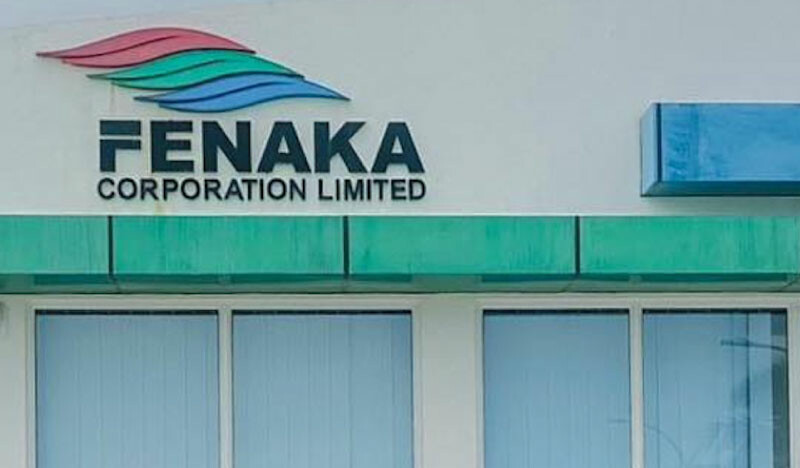
An office of FENAKA | Photo: FENAKA
Fenaka Corporation said yesterday that it has already begun implementing the reform steps outlined in the special report released by the Auditor General’s Office (AGO).
The special audit, published on 25 September, revealed that a majority of contracts awarded by Fenaka Corporation between 2021 and 2023 were issued without competitive bidding, raising concerns over procurement practices and financial management at the state-owned utility provider.
advertisement

advertisement

advertisement
According to the audit, Fenaka undertook projects worth MVR 2.2 billion during the three-year period, of which MVR 1.3 billion was granted without a public tendering process. Out of 673 contracts signed for services and equipment, 438 bypassed open bidding, with the company’s Direct Purchase Committee directly selecting contractors.
In a press release, Fenaka Corporation stated that it has already begun reforming its operations in response to the audit. Measures include:
- Revising procurement policies.
- Implementing additional monitoring systems to ensure compliance with existing regulations.
- Improving the organisational structure.
- Enhancing communication with stakeholders.
- Strengthening reporting systems and access to information.
The corporation added that it will report individuals involved in unlawful activities to the relevant authorities and assured the public that its current management operates in line with laws and regulations, with no tolerance for illegal activities within the organisation.
Former MD Saeed Found Guilty of Corruption
Additionally, the Criminal Court sentenced former Fenaka Corporation Managing Director Ahmed Saeed to four years in prison for corruption linked to the awarding of funds to Blazon Inc. Saeed was convicted of abusing his position by disbursing funds without verifying that the company had completed its contractual obligations. While the Attorney General’s Office requested a sentence of one year, seven months and six days, Chief Judge Adam Mohamed imposed the maximum sentence permitted by law.