


Gov’t Commences Zakat-al-Fitr Collection, Online Payments Available Until April 6
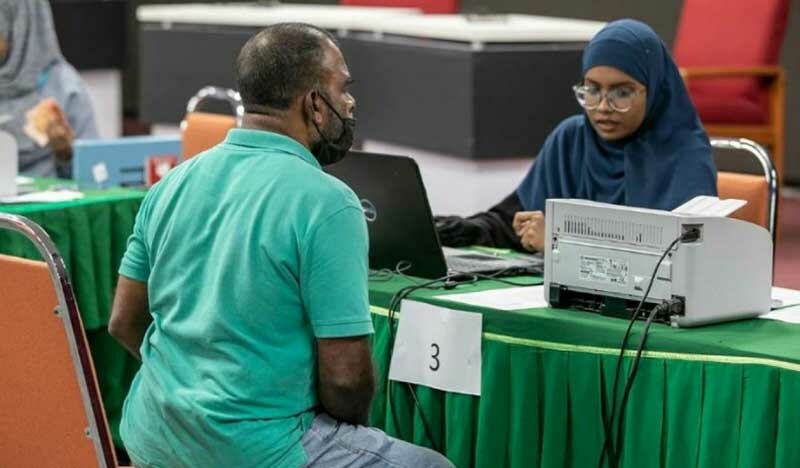
Photo: Islamic Ministry
The government has initiated the collection of Zakat-al-Fitr, with Maldives Zakat Housing confirming the facilitation of online zakat payments from March 11 to April 6.
Despite the last 10 days of Ramadan being designated as government holidays, the zakat payment system will remain operational during this period.
Various online platforms have been made available for the convenience of zakat payments, including the Dhiraagu app, Dhiraagu pay, SMS, Ooredoo M-Faisaa, Ooredoo pay, Maldives Islamic Bank Mobile Application, Faisaa net, Bank of Maldives (BML) portal, Fahipay application and website, as well as Bandeyri Pay.
The payable zakat is determined based on the consumption of 2.4 kilograms of wheat. In the Greater Male’ area region, the Zakat al-Fitr amounts for different types of rice vary, with USD 0.78 for rice, USD 4.55 for Thailand white rice, USD 5.20 for red rice, USD 4.55 for ordinary basmati rice, USD 6.49 for premium basmati rice, and USD 8.12 for super premium basmati rice. Additionally, the Zakat al-Fitr amounts for wheat and wheat flour are USD 0.65 and USD 4.87, respectively.
Zakat Housing has also indicated that Zakat al-Fitr can be paid via Bandeyri Pay until the last day of Ramadan. Furthermore, zakat will be accepted at the Ministry of Islamic Affairs hall for elderly individuals and those unfamiliar with online payment systems.
Arrangements have been made to accept Zakat al-Fitr every morning from 0930hrs to 1300hrs, excluding public holidays. During the last 10 days of Ramadan (public holidays), zakat can be paid every day from 1100hrs to 1400hrs, except for Fridays and Saturdays. Zakat Housing has announced that zakat payment systems will be organised by the island’s councils.
Zakat al-Fitr, obligatory for all Muslims, is allocated to those in need of financial assistance after the Holy month of Ramadan. Mandated in the second year of Hijra, it applies to men, women, children, adults, independents, slaves, rich, and poor. However, certain conditions must be met, including having enough money to provide for dependents with food and basic essentials on the day and night of Eid.