

Health Minister Faces Scrutiny Over Kuwaiti Aid Mismanagement in School Project
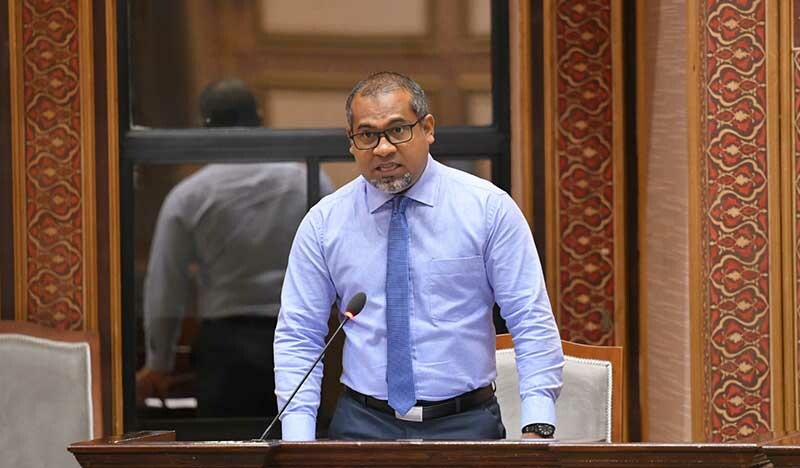
Photo: People’s Majlis
Discrepancies have emerged regarding Kuwaiti aid allocated for a school construction initiative in the Maldives, spearheaded by the AK Foundation under the supervision of current Minister of Health Dr. Abdulla Khaleel, following revelations that funds earmarked for the project have been redirected to Dr. Khaleel’s personal account.
To delve deeper into the matter, Adhadhu Media’s report scrutinised the project proposal, AK Foundation’s bank statements, progress reports, correspondence from the Kuwait Embassy, communications from various government institutions related to the project, financial transactions, and media coverage.
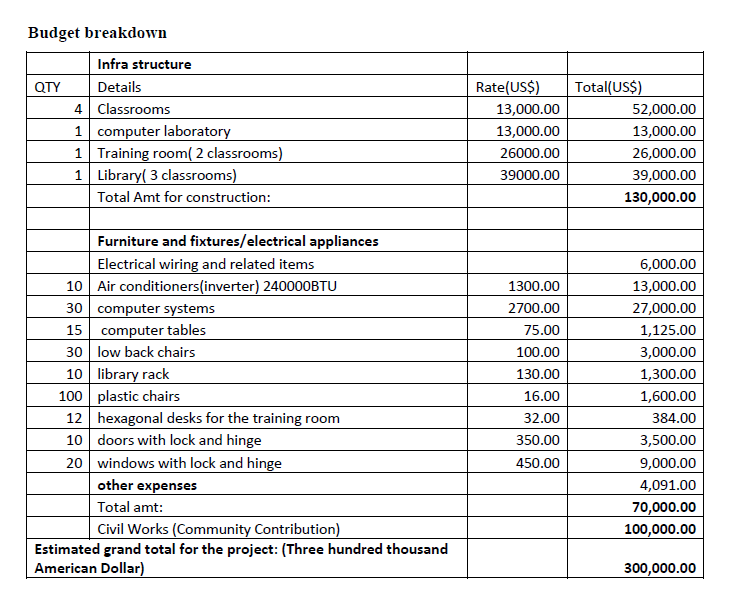
An in-depth examination conducted by this publication delved into various documents, including project proposals, bank statements, progress reports, and communications from relevant authorities. The findings revealed a concerning pattern of financial mismanagement and potential misuse of funds.
According to bank records revealed by Adhadhu Media, the entirety of the allocated funds from the Kuwait Fund was deposited into the AK Foundation’s account. However, a significant portion of these funds subsequently found its way into personal accounts, including that of the Health Minister, Abdulla Khaleel.
Specific transactions highlighted a total transfer of USD 89,080 to Abdulla Khaleel’s personal account, equivalent to approximately 1.3 million in local currency. While Haleel maintains that these transfers were justified, citing reasons such as currency exchange and distribution to other stakeholders, questions linger regarding the transparency and legality of such actions.
Furthermore, the investigation uncovered additional payments to various companies, both domestic and foreign, purportedly for the construction of the school building. However, discrepancies arose concerning the nature of these expenditures, with some payments allegedly directed towards unrelated goods and services.
For instance, significant sums were disbursed to foreign companies for items such as steel structures and sporting equipment, raising doubts about their relevance to the project at hand. Similarly, assertions made on social media platforms regarding the development of a children’s park funded by Kuwait were not substantiated by official records.
In response to these allegations, Abdulla Khaleel has defended the transactions, asserting that they were conducted in accordance with project requirements and contractual agreements. However, the lack of clarity surrounding fund allocation and project progress raises concerns about accountability and oversight.
Despite assurances from project proponents, the tangible outcome of the allocated funds remains limited, with only the steel structure of the building visibly erected. The discrepancy between allocated funds and actual progress underscores the need for a thorough investigation into the handling of Kuwaiti aid and the execution of development projects in the Maldives.
As stakeholders seek answers and accountability, the fate of the incomplete school building serves as a stark reminder of the challenges facing development initiatives in the region and the imperative of ensuring transparency and integrity in aid disbursement and project implementation.