


High Electricity Bills During Ramadan Attributed to Hot Weather Despite Gov’t Discount
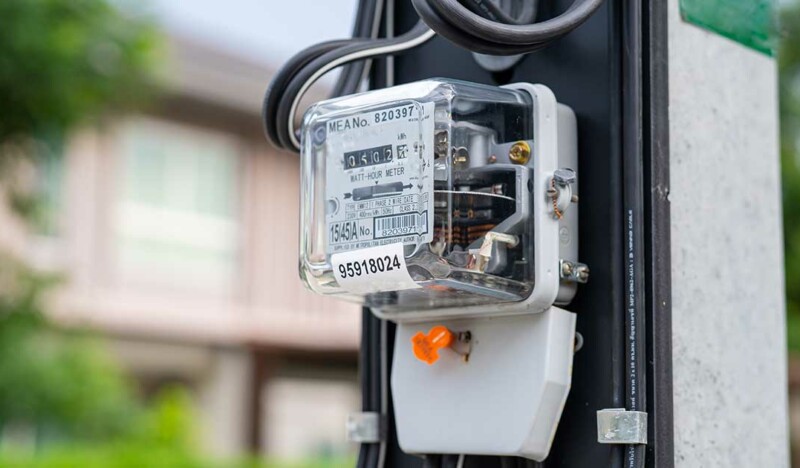
Electricity bills during this year’s Ramadan were significantly high despite a government-issued discount, according to the State Electric Company Limited (STELCO).
The company has attributed the surge in electricity consumption to the unusually hot weather that coincided with the holy month.
advertisement

advertisement

advertisement

In line with a government initiative, a 10 percent discount was granted on both electricity and water bills for the duration of Ramadan. Nevertheless, many households have raised concerns over unusually high electricity bills, with some reporting that their bills had nearly doubled compared to previous months, even after the discount was applied.
STELCO has explained that electricity usage typically increases during Ramadan due to changes in household routines and extended usage of appliances. This year, the demand was further intensified as Ramadan took place during the hot season, leading to greater reliance on cooling systems such as fans and air conditioners.
STELCO noted that a similar pattern was observed during Ramadan last year. However, the company reported that electricity bills this year were relatively lower in comparison to the previous year’s figures.
To implement the government’s discount, STELCO previously announced that it would incur a cost of MVR 160 million. As part of the operational changes for Ramadan billing, February’s electricity bills were issued earlier than usual. This adjustment was made to allow for a separate billing cycle specifically for the month of Ramadan.
The shortened interval between the January and February bills led to public confusion and criticism. STELCO’s Managing Director, Hussain Fahumy, responded to the concerns by stating that the change had been communicated to the public in advance through media channels. He maintained that issuing a separate bill for Ramadan was in the best interest of customers, as it ensured clarity in tracking electricity usage specific to the month.