

Juvenile Rehabilitation Center to be Opened in Hoarafushi
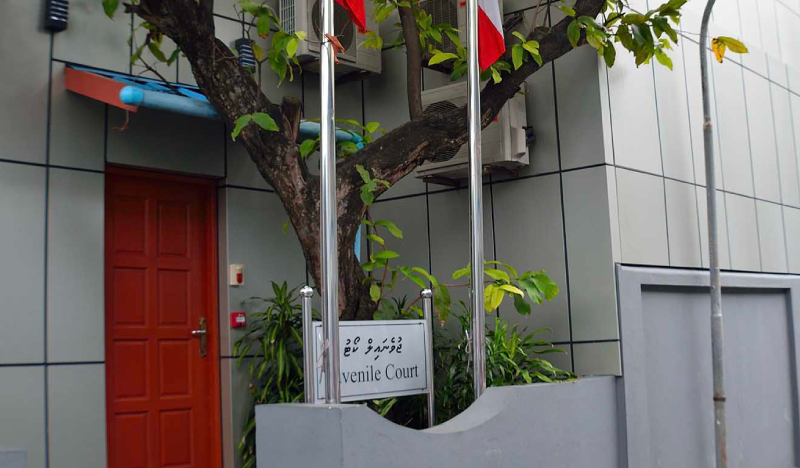
Photo: Juvenile Court of Maldives
The government announced plans to open a juvenile rehabilitation centre in Haa Alif Hoarafushi next week. The decision comes following heightened public attention sparked by an incident of teenage bullying in AA. Rasdhoo, which gained traction on social media platforms.
During a press conference convened by a cabinet task force assembled by President Dr. Mohamed Muizzu, Minister of Homeland Security and TechnoIogy Ali Ihusaan highlighted the significance of this initiative in aligning with the 2019 Juvenile Justice Act. Despite the act’s enactment five years ago, comprehensive infrastructure and legal frameworks for juvenile rehabilitation have yet to be established, Ihusaan claimed.
The Juvenile Justice Act outlines a range of interventions, including the establishment of a Department of Juvenile Justice, a specialised police unit, designated state prosecutors, probation and correctional officers, diversion and rehabilitation programmes, as well as residential facilities and correctional centres. However, the mandated completion of these facilities within 18 months of the law’s enactment had not been realised.
Ihusaan revealed that although a residential rehabilitation centre was constructed in Dh. Kudahuvadhoo at a cost of MVR 21 million during the previous administration, it remains non-operational. Similarly, a halfway house in HA. Hoarafushi, mandated by the law, has been completed but not yet opened. In light of the pressing need for rehabilitation facilities, the Muizzu administration has opted to repurpose the halfway house into a rehabilitation centre to cater to the initial stage of juvenile rehabilitation.
Attorney General Ahmed Usham, part of the cabinet task force, underscored legal challenges impeding the implementation of juvenile justice. One such challenge involves obtaining court orders to institutionalise at-risk minors, a process hindered by the juvenile court’s reluctance to intervene, citing jurisdictional constraints. As a result, numerous cases have been stalled during the previous administration, he claimed.
Highlighting discrepancies in the treatment of juvenile offenders, Ihusaan noted that individuals who commit crimes at 17 continue to be considered minors even after reaching adulthood, resulting in 27-year-olds serving sentences alongside minors. He stressed the necessity of tailored intervention programmes to address varying cases effectively.
In a bid to mitigate juvenile crime, the government is also contemplating lowering the age of criminal culpability from 15 to 12. Ihusaan emphasised the urgency of these measures, citing over 200 minors at risk of criminal involvement, with the majority falling below 15 years of age.
Usham affirmed that proposed amendments to juvenile justice laws will be formulated by the Attorney General’s office and presented to parliament following the Eid holiday.