

Legislation Tabled to Replace Broadcom and MMC with Single Commission
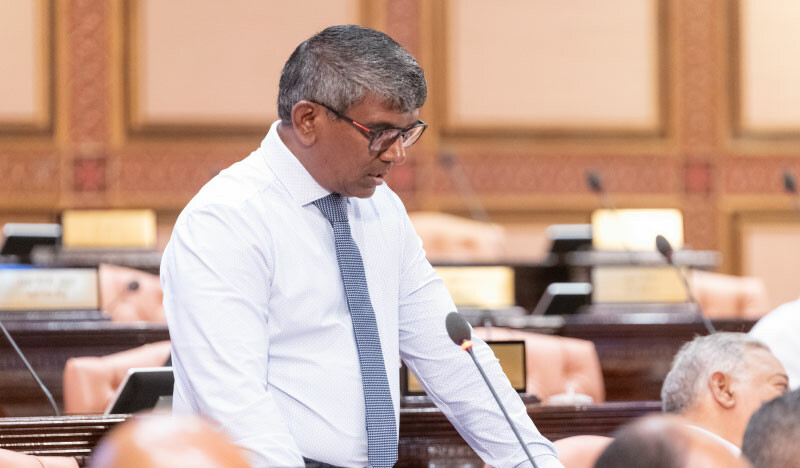
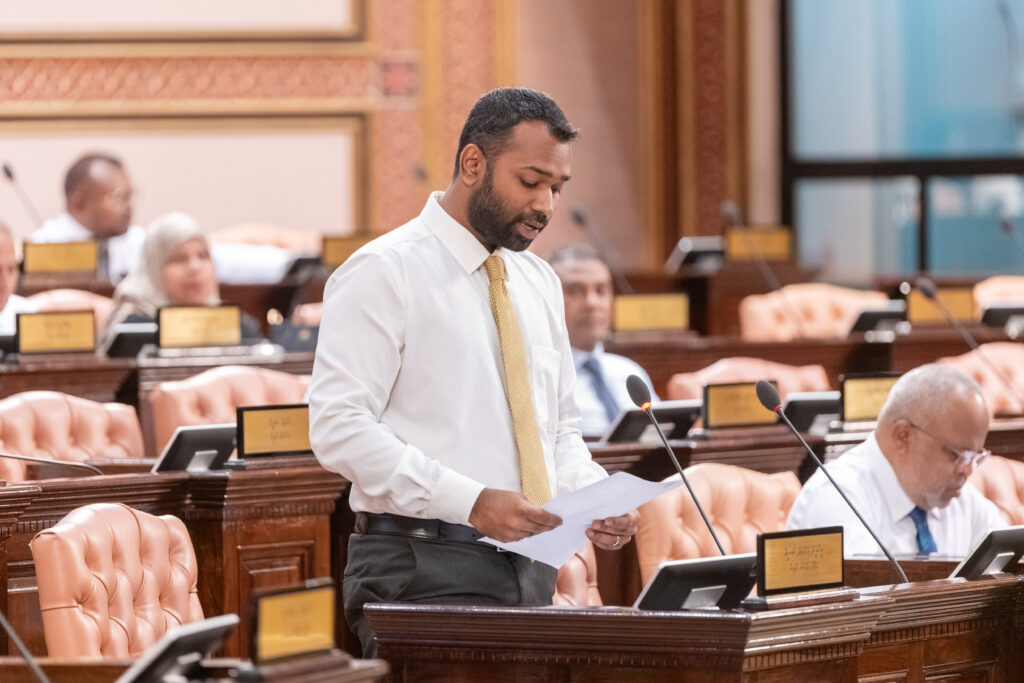
Thulhaadhoo MP Abdul Hannan Aboobakuru, an independent member. | Photo: People’s majlis
A new bill has been introduced in Parliament proposing the creation of a unified media regulatory body, replacing the Maldives Broadcasting Commission (Broadcom) and the Maldives Media Council (MMC).
The “Maldives Media and Broadcasting Regulation Bill” was submitted on Tuesday by Thulhaadhoo MP Abdul Hannan Aboobakuru, an independent member who works with the ruling party. This is his second attempt to restructure media oversight, after a similar bill presented last year was withdrawn following strong criticism from journalists and the public.
If passed, the legislation would dissolve Broadcom and the MMC, establishing a new body, the Maldives Media and Broadcasting Commission, made up of seven members. Three members, including the chair, would be nominated by the president and endorsed by Parliament, while four would be elected by media organisations that have been in operation for at least five years. The Elections Commission would oversee the process.
The draft bill also calls for the repeal of the Maldives Media Council Act and parts of the Broadcasting Act, removing existing boards and the secretary general. Staff from both current regulatory bodies would be transferred to the new commission.
According to the bill, the commission’s mandate is to “promote, develop, and uphold the freedom of expression guaranteed under the Constitution.” At the same time, it introduces stricter regulatory measures, including fines of between MVR 5,000 and MVR 25,000 for individual journalists, and up to MVR 100,000 for media companies. It also grants powers to suspend registrations, block websites, halt broadcasts during investigations, and pursue court action that could result in permanent deregistration.
Presenting the bill, MP Hannan said its purpose was to empower the Maldivian media, adding that Islam emphasises responsibility in sharing information and that “every opinion or news expressed must be true.”
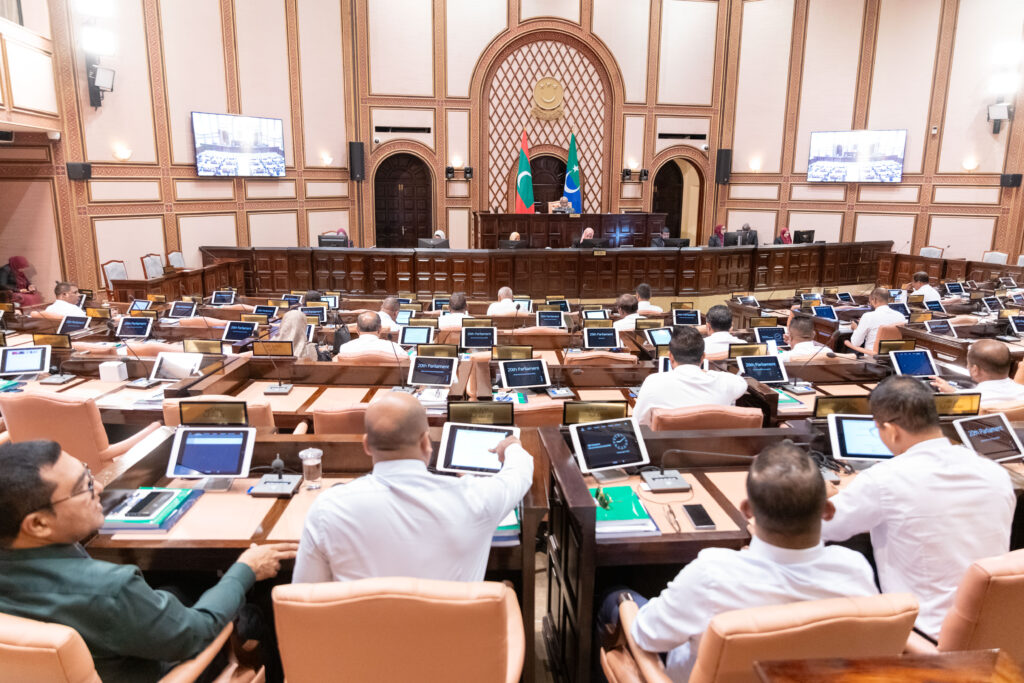
Debate in Parliament revealed sharp divisions. Opposition Maldivian Democratic Party (MDP) members rejected the proposal, with South Galholhu MP Meekail Ahmed Nasym alleging it was drafted by the Attorney General’s Office with government backing, claiming its objective was to restrict free expression. Hanimaadhoo MP Abdul Qafoor Moosa accused the government of attempting to silence reporting on corruption and urged the public to protest against the bill.
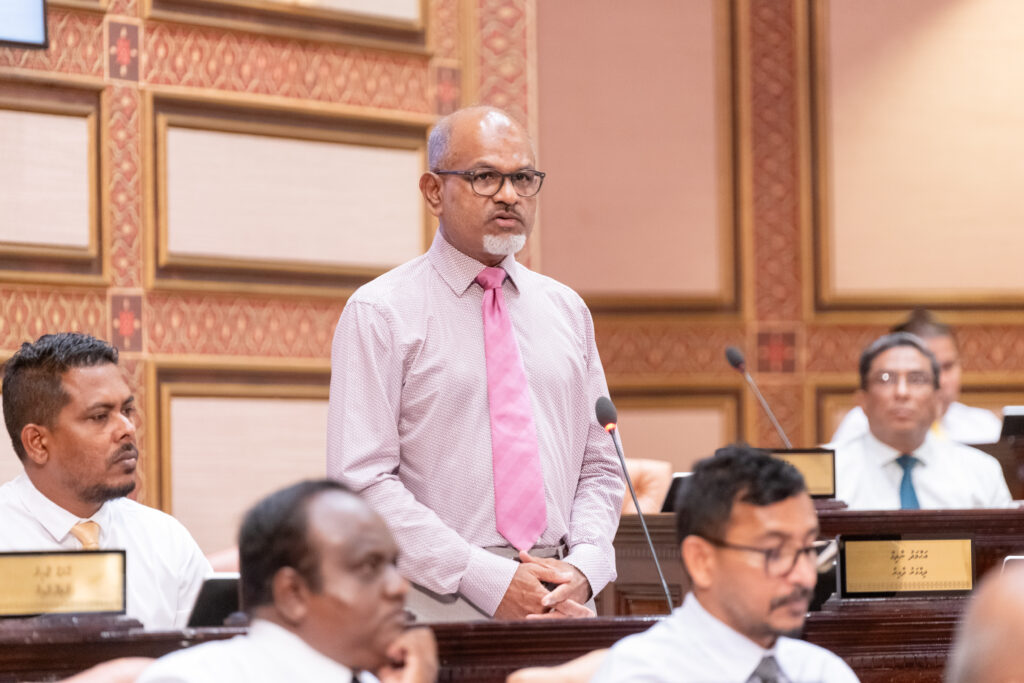
Ruling party members, however, defended the draft. Inguraidhoo MP and parliamentary majority leader Ibrahim Falah denied that it was a government-sponsored bill, while Deputy Speaker Ahmed Nazim said the proposal was aligned with international standards. He pointed to regulatory models in Finland, Sweden, Britain, Singapore, and Ireland, as well as compliance with European Union directives.
Nazim also criticised what he described as “chequebook journalism” in the Maldives, warning of excessive reliance on funding from major businesses. He stressed that consultations with media professionals and stakeholders would be essential during the review stage.
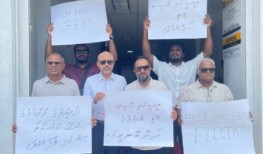
Outside Parliament, media organisations voiced strong opposition. The Maldives Journalists Association (MJA) and the MMC condemned the bill, warning that it poses a direct threat to press freedom and could place the media under greater government influence. The MJA added that it had not been consulted during the drafting stage of the legislation and called for the bill’s immediate withdrawal.
Following the debate, Speaker Abdul Raheem Abdulla announced the end of the second term of the Majlis. He said the break would give MPs time to review the bill, with the debate scheduled to continue when Parliament reconvenes.