


Maldives Customs Reports MVR 4.7 Billion in Imports for April 2025
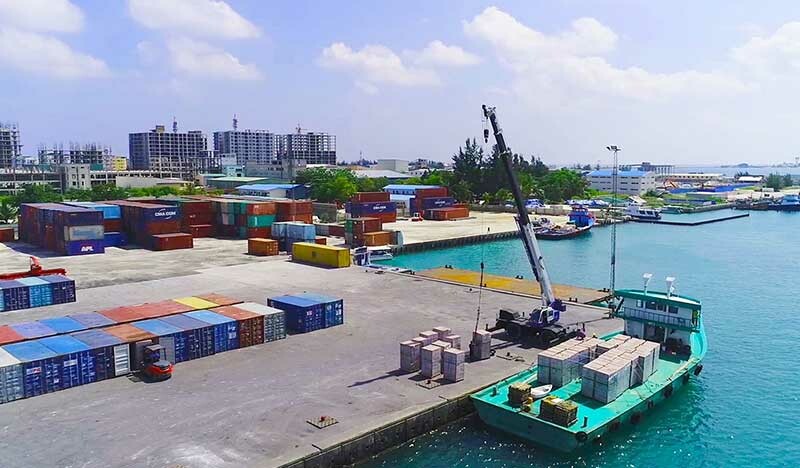
The Maldives Customs Service has reported that the total value of imports for April 2025 reached MVR 4.7 billion, reflecting a 6.8 percent increase compared to March. Exports for the same month totalled MVR 292 million, marking a 43 percent rise from MVR 204 million in March.
Of the total imports, goods excluding fuel were valued at MVR 3.8 billion. Customs revenue for April stood at MVR 379 million, with an additional MVR 11 million generated through royalties. This represents an increase of MVR 40 million in revenue and MVR 88 million overall compared to the previous month.
advertisement

advertisement

advertisement

Food items, excluding pork, alcohol and tobacco, accounted for the highest import value at MVR 1.02 billion. Fuel imports, including diesel, petrol and aviation gas, were recorded at MVR 905 million. Imports of machinery and electrical appliances stood at MVR 718 million, followed by base metals and related products at MVR 352 million, and chemical industry products at MVR 296 million.
The United Arab Emirates remained the largest source of imports, contributing MVR 1.3 billion or 28 percent of the total. India followed with MVR 735 million (16 percent), while imports from China, Singapore and Malaysia stood at MVR 472 million (10 percent), MVR 425 million (9 percent) and MVR 261 million (6 percent), respectively.
Thailand was the leading export destination, accounting for MVR 186 million or 64 percent of total exports. Exports to Great Britain totalled MVR 43 million (15 percent), with smaller volumes going to Egypt, Vietnam and Switzerland.
Frozen skipjack tuna was the Maldives’ top export commodity, valued at MVR 195 million. This was followed by prepared or preserved skipjack tuna at MVR 69 million. Other notable exports included frozen yellowfin tuna (MVR 6 million), fish meal and pellets unfit for human consumption (MVR 6 million), and fresh or chilled yellowfin tuna loins (MVR 3 million).
Amid rising national debt and a growing dependence on imported goods, the government has been exploring measures to reduce import volumes and manage fiscal pressures more effectively.