

Maldives Yet to Meet WHO Blood Donation Target, Says Health Minister
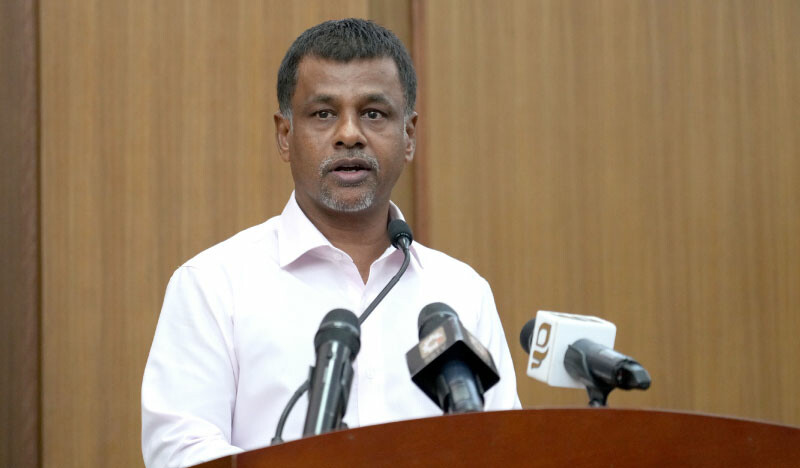
Minister of Health Ahmed Nazim speaking at ceremony held on June 15 to celebrate World Blood Donation Day | Photo: Ministry of Health
Health Minister Abdulla Nazim has said that the Maldives has not yet met the World Health Organisation’s (WHO) minimum recommended level of blood donations, which calls for at least one percent of a country’s population to donate blood annually.
He made the remarks yesterday while speaking at a ceremony held at the Maldives National University (MNU) to mark World Blood Donor Day.
advertisement
advertisement
advertisement

Minister Nazim acknowledged that, while the Maldives performs well in many health indicators, blood donation remains an area needing significant improvement.
ލޭ ހަދިޔާ ކުރާ މީހުންގެ ދުވަސް ފާހަގަކުރުމަށް ބޭއްވި ޙާއްސަ ރަސްމިއްޔާތުގައި ޞިއްޙީ ވަޒީރު @ANazim2019 ދެއްކެވި ވާހަކަފުޅު ތެރެއިން.@MBS_mv pic.twitter.com/Rd6uLW3eP8— Ministry of Health (@MoHmv) June 15, 2025
“I want to see a day when people in need of blood transfusions do not have to beg. We must work towards that goal,” he said.
As part of the ceremony, student associations signed an agreement with the Ministry of Health to take the lead in raising awareness about blood donation, marking what organisers called a significant step in shaping the nation’s future through youth leadership.
Under the agreement, the following actions were outlined:
- Launch awareness campaigns and education programmes to promote and facilitate voluntary blood donation.
- Introduce exemptions from certain regulations for members, employees, and community volunteers to encourage participation.
- Collaborate with national agencies and relevant organisations to improve blood donation systems.
- Recognise blood donors for their life-saving contributions.
- Work across sectors and institutions to ensure that all individuals in need have access to reliable and sufficient blood supplies.
He noted that the ongoing campaign has already led to an increase in blood donors, easing shortages in Maldivian hospitals. He described the initiative as a “rescue effort” that aims to build a sustainable and inclusive blood donation culture across the country.
The event concluded with a call to action for greater public participation and institutional support to ensure that no one in need of blood is left behind.