


Maldivian Mangrove Seeds Launched to Space in Landmark Space Mission
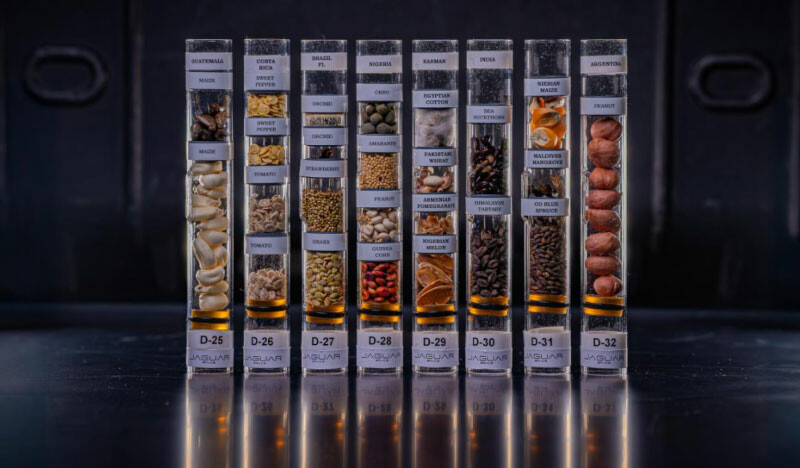
Photo: Ivan Castro Guatemala/ Jaguar Space
The Maldives Space Research Organisation (MSRO) has successfully sent mangrove seeds from two islands into space as part of its Mangroves in Space (MIS‑01) mission, marking a historic milestone in the archipelago nation’s contribution to global space research
Under the agency’s flagship initiative, seeds of the locally known Baru Gass (Avicennia marina) were collected from Kulhudhuffushi City and N. Kendhikulhudhoo. They were flown aboard NASA’s SpaceX Crew‑11 mission to the International Space Station as part of the World Seeds payload coordinated by Jaguar Space.
advertisement

advertisement

advertisement

The spacecraft carrying the Maldives’ mangrove seeds into space launched on July 31, 2025, with their return to Earth scheduled for a later, yet-to-be-determined date.
This global experiment brings together 11 unique payloads to investigate how seeds respond to microgravity and other stresses in space, focusing on gene activation and metabolic processes essential for germination. The aim is to enhance crop resilience and storage techniques for long-duration space travel and sustainable agriculture on Earth.
MSRO emphasised that the selection of mangrove seeds reflects the nation’s deep ties to climate-resilient coastal ecosystems. The mission seeks to include plant species from 11 emerging space nations, ensuring cultural and biodiversity representation in future space endeavours.
Once the seeds return to Earth aboard NASA’s Crew‑10 mission, MSRO will begin comprehensive scientific analyses to assess spaceflight effects, with applications aimed at food security, ecosystem resilience, and global scientific collaboration.
The MIS‑01 mission aligns with recent collaboration between MSRO and Jaguar Space under a memorandum established in June 2025, which intends to study marine ecosystems from a space-based perspective. The effort will include mangrove species like Avicennia, Rhizophora, and Bruguiera, essential to the Maldives’ ecosystem.
The mission highlights how small island nations are increasingly participating in advanced scientific exploration, encouraging shared knowledge and inclusive representation in the rapidly evolving space economy.