


MDP To Boycott Parliament Sittings Citing Current Sessions As Unconstitutional
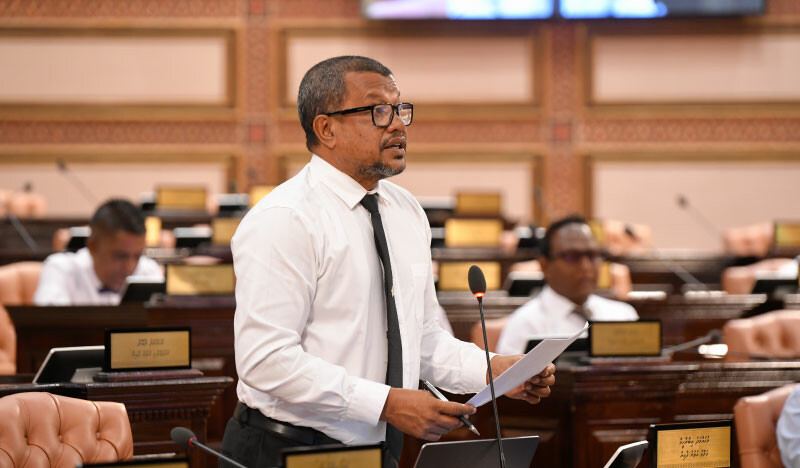
Mohamed Ibrahim (Kudu), MP for North Galolhu. | Photo: People’s majlis
The Maldivian Democratic Party (MDP) Parliamentary Group has announced it will boycott Parliament sittings, describing the current sessions as unlawful and unconstitutional.
In a post shared on X by Galolhu Uthuru MP Mohamed Ibrahim (Kudu), the opposition group said Parliament had been in recess when emergency sittings were convened without sufficient notice. He said the move breached Articles 83 and 88 of the Constitution and was aimed at fast-tracking constitutional amendments.
The MDP Parliamentary Group believes the current Parliament sittings are unlawful and unconstitutional, and has therefore decided to boycott in protest.
Parliament was in recess, yet emergency sessions were called without adequate notice, in breach of Articles 83 and 88 of the…— MohamedKudu (@mohamedkudu) January 5, 2026
MP Kudu argued that no constitutional crisis or urgent circumstance existed to justify calling emergency sittings. It said the decision undermined democratic principles and denied citizens their right to representation through elected lawmakers.
The boycott announcement follows an extraordinary sitting held yesterday to debate a government-backed bill seeking to synchronise parliamentary and presidential elections. The proposed amendment would move the first sitting of a newly elected Parliament to 1 December, shortening the term of the current 20th Parliament by six months. The bill also requires all administrative arrangements for the new Parliament to be completed before that date and has been forwarded to the Committee on Independent Institutions for review ahead of a vote.
In the same sitting, the government also submitted an amendment to the Maldives Penal Code Act to criminalise gambling and the operation of gambling establishments. The bill, presented by Hithadhoo Central MP Ahmed Azaan Marzooq on behalf of the government, proposes classifying gambling-related offences as fourth-degree crimes, carrying penalties ranging from four months to four years’ imprisonment, depending on the severity of the offence.