


Media Commission Publishes New Code of Conduct for Broadcasters and Journalists
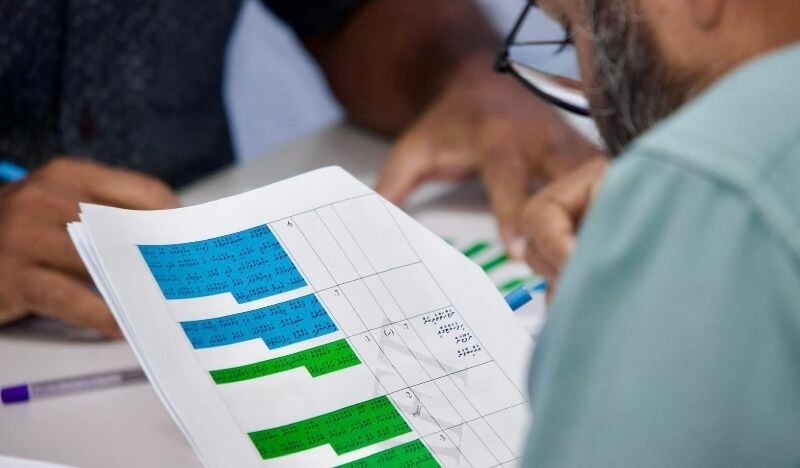
A highlighted page from the “Code of Conduct for Broadcasters, Journalists, and Media Personnel” by the Maldives Media and Broadcasting Commission (MMBC), during the session the commission conducted on December 7, 2025 | Photo: MMBC
The Maldives Media and Broadcasting Commission (MMBC) published the “Code of Conduct for Broadcasters, Journalists, and Media Personnel” under the Maldives Media and Broadcasting Regulation Act yesterday.
The code sets out policies, values, and professional standards for broadcasters, media workers, and journalists in the Maldives. It came into effect upon publication in the Maldives Gazette. The commission stated that failure to comply with the standards may result in action under the Maldives Media and Broadcasting Regulation Act.
advertisement

advertisement
advertisement

According to the commission, the code aligns with universal journalistic ethical values reflected in international declarations and conventions, as well as standards upheld by media organisations in democratic societies and journalists’ unions.
Core Standards for Media Practice
The code outlines nine core standards that must be upheld by broadcasters and media professionals. These include respect for Islam and Maldivian laws, protection of national security, maintaining societal norms, safeguarding personal privacy and dignity, and protecting human rights. It also requires the sharing of truthful information in a fair and transparent manner, the inclusion of diverse views on public issues within legal limits, special consideration for vulnerable groups, and the protection of children’s rights.
Truthfulness and Content Identification
Article 6, which addresses the responsibility to share truthful information, prohibits the publication of information known or suspected to be false. It also requires clear identification of factual and fictional content. The code states that recordings created for fiction, satire, or replay must be clearly labelled as such.
Interviews, Intellectual Property, and AI Content
The code further sets standards for conducting interviews, protecting intellectual property rights, and producing content using artificial intelligence. Under the interview guidelines, information obtained through recordings made without consent may not be used.
With regard to artificial intelligence, the code states that AI-generated content must comply with the code’s standards and be clearly identified as such when published or broadcast. Media and broadcasting organisations must state when content is created using AI, use AI only as an assisting tool, and ensure all information is fact-checked. The code also prohibits the dissemination of manipulated photos, videos, or audio intended to spread hatred.
The commission said the code is intended to strengthen ethical standards and accountability across the Maldivian media sector.