

Ministry Expands Resort Access to Nearby Islands and Lagoons, With Development Strictly Prohibited
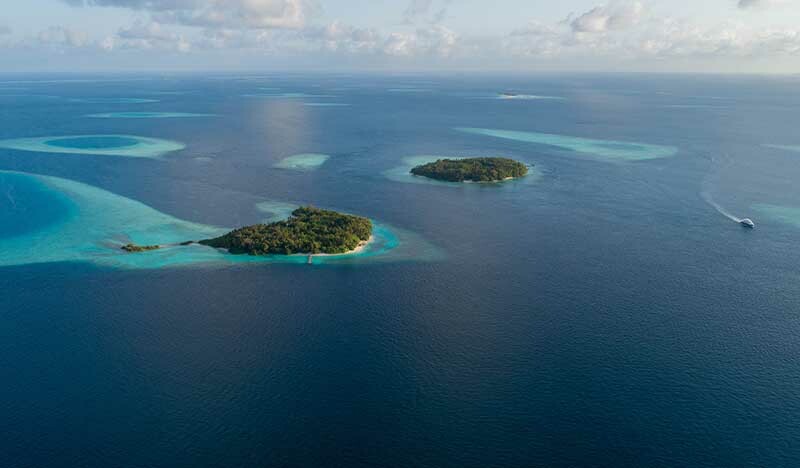
The Ministry of Tourism and Environment has issued a new guideline permitting tourist resorts to rent nearby uninhabited islands and lagoons, provided that no development takes place on the leased areas.
Published in the Government Gazette under the title “Regulation to Determine Lagoon Area of Properties Leased for Tourism Purposes”, the guideline enables investors—who have already committed at least USD 250 million to resort development—to rent uninhabited islands or lagoons within a 1,000-metre radius of their property, and not exceeding 50 hectares in size.
Although the guideline prohibits any “developmental projects” on these rented areas, it does not define what constitutes such activity.
advertisement

advertisement

advertisement

Under the regulation, the Ministry has also set specific acquisition and rental fees. Islands or lagoons under 20 hectares will incur an acquisition fee of USD 500,000 and an annual rent of USD 100,000. Areas measuring 20 to 30 hectares will require a USD 1 million acquisition fee with USD 200,000 rent. For areas between 30 and 40 hectares, the acquisition fee stands at USD 1.5 million and rent at USD 300,000. The largest category, 40 to 50 hectares, carries a USD 2 million acquisition fee and an annual rent of USD 400,000.
The guideline states that any area rented under this regulation will remain leased for the duration of the resort’s main lease agreement. However, investors who are behind on rent or other payments for their existing leased property will be barred from accessing this option.
The move comes shortly after President Mohamed Muizzu ratified the 16th Amendment to the Maldives Tourism Act, following its approval by the 20th People’s Majlis on 3 December 2025. The amendment, now in force upon its publication in the Gazette, establishes a formal legal structure for leasing areas for tourist resort development.The legislation introduces regulatory provisions to support these initiatives, including the ability to extend resort construction periods, define lagoon boundaries for leased islands, and regulate licences for tourism-related travel planning and management services.