


National Library Celebrates 80 Years of Service to the Nation
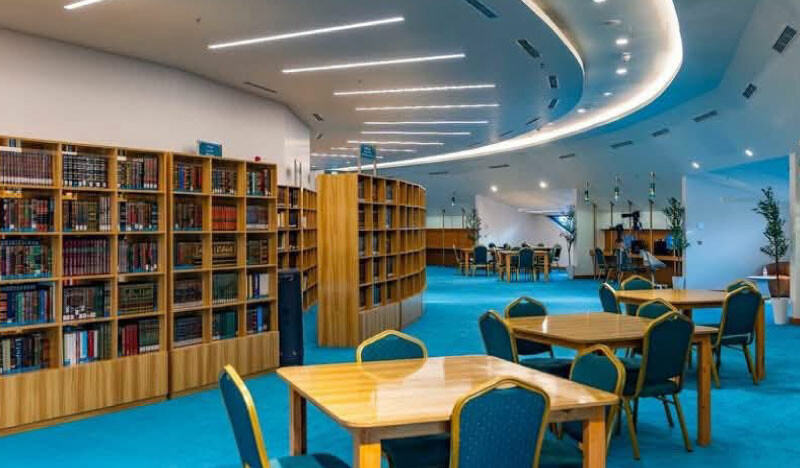
Photo: Ministry of Dhivehi Language, Culture and Heritage
The National Library of the Maldives proudly marked its 80th anniversary yesterday, celebrating eight decades of dedicated service in preserving the country’s cultural heritage, supporting education, and promoting lifelong learning.
Founded in 1945 by Ameer Mohamed Amin Didi as the State Library, the institution has since evolved into the nation’s central hub for knowledge, research and public engagement. Over the years, it has operated under various names, including “Majeedhee Library,” before officially becoming the National Library in 1982.
advertisement

advertisement

advertisement

To commemorate the occasion, the Library hosted a special programme featuring exhibitions, readings, workshops and guided tours of its rare collections. Staff welcomed visitors of all ages to explore the Library’s resources and reflect on its enduring legacy.
President Dr Mohamed Muizzu extended warm greetings to the National Library on its milestone anniversary. In a special message, he commended the Library’s vital contribution to national development and reaffirmed the Government’s commitment to supporting cultural institutions that enrich Maldivian identity and public life.
The Library’s current collection stands as one of the most diverse in the country, with over 38,000 English-language volumes, 10,000 Dhivehi books, and collections in Arabic, Urdu, and other regional languages. Special holdings include the American Corner, UN archives, gender-focused literature, and a growing archive of manuscripts, press cuttings and historical documents.
Director General Fathimath Shiham noted that the Library’s mission today goes far beyond lending books. “We aim to connect people to knowledge, empower communities, and preserve the intellectual history of the Maldives. As we look forward, digitisation and outreach will remain at the heart of our efforts.”
In recent years, the Library has launched initiatives to digitise Dhivehi manuscripts and improve access to regional and international academic networks. It also continues to support schools, researchers, and the public through reading programmes, literacy campaigns, and curated exhibitions.