


NSPA Announces Changes to Aasandha Scheme, Aims to Reduce Double Insurance Costs
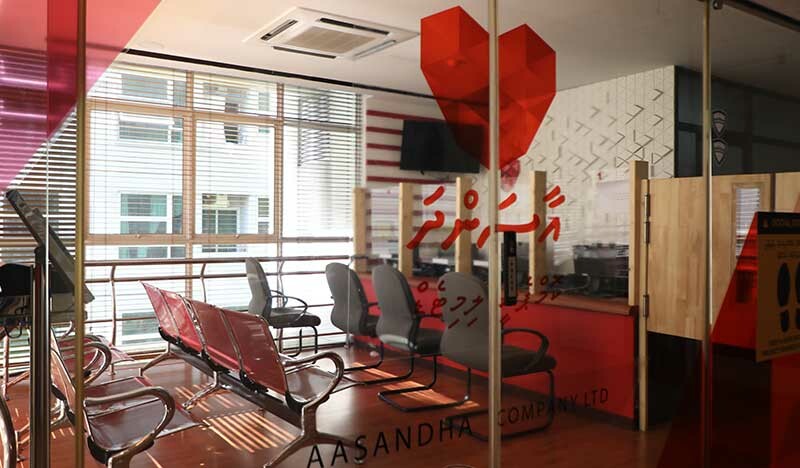
The National Social Protection Agency (NSPA) has announced that, starting from 1 October, individuals with private insurance will be able to access Aasandha services after their insurance has covered part of the medical bill.
NSPA’s CEO, Heena Waleed, informed the Social Affairs Committee of Parliament yesterday that this change is aimed at reducing the financial burden of double insurance. The new rule will ensure that Aasandha covers the remaining balance of the bill after private insurance has been applied. This amendment is designed to streamline the payment process, allowing the NSPA to clear bills only after they have been processed by additional insurances.
advertisement

advertisement
advertisement

Further reforms to the welfare and Aasandha policies are in development, with drafts already prepared for submission to the Cabinet. Once implemented, these reforms will centralise government-run individual insurance schemes under NSPA. The agency is also in the process of establishing a social register and developing cost-reducing packages with hospitals.
During the committee meeting, it was highlighted that private hospitals represent a significant expenditure for Aasandha. Aasandha’s Managing Director, Aminath Zeeniya, noted that while procedure costs are not inherently high, the final bills often become substantial due to additional line items. To address this, the agency is working on creating package prices for services. Once these prices are finalised, private hospitals will be required to provide services under Aasandha at the agreed rates.
The agency emphasised the need for cooperation at the policy level, particularly when enforcing the agreed package prices. There is an acknowledgment that government hospitals, such as IGMH and Dharumavantha, need to improve their services to reduce reliance on private hospitals. However, certain major services, such as neurosurgery, are currently only available at private hospitals. This issue will remain unresolved unless government hospitals are equipped to provide these services.
Aasandha’s expenditure in the second quarter of this year increased compared to the same period last year.