


Parliament Approves Urban Development Bill Amid Decentralisation Concerns
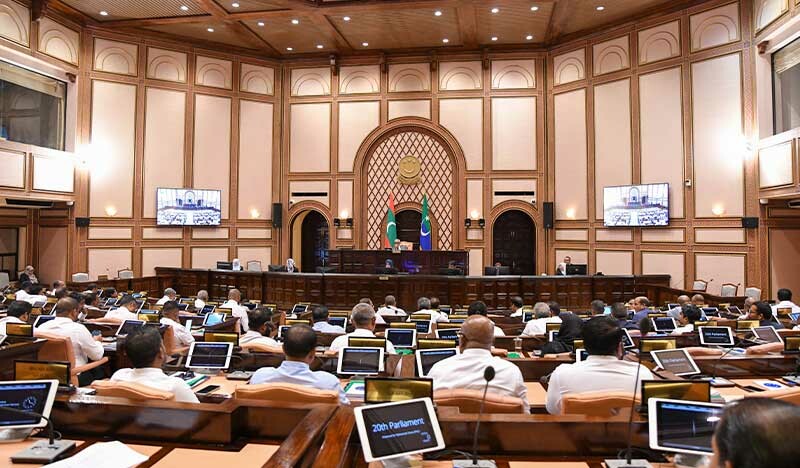
Yesterday, Parliament approved the Urban Development Bill, which sets up a framework for developing urban centres nationwide. The bill, introduced by People’s National Congress (PNC) MP Azim Abdul Azeez on behalf of the government, passed with 70 votes in favour and 11 opposing.
The Ministry of Local Government and Public Works raised concerns during the committee stage, warning that the bill could undermine the decentralisation system. The opposition Maldivian Democratic Party (MDP) also criticised the legislation, claiming it would erode constitutional and legal provisions supporting decentralisation and significantly curtail the authority of local councils.
advertisement

advertisement

advertisement

State Minister for Local Government Mohamed Hashim echoed these criticisms, stating, “The bill contains many provisions that conflict with the decentralisation system. If passed, councils’ powers will be severely restricted.”
The legislation establishes an Urban Development Authority to oversee urban planning and development. This new entity will assume the legal and operational responsibilities, along with property, resources, and personnel, currently managed by the Urban Planning and Development Department under the Ministry of Planning.
Critics argue the bill threatens councils’ autonomy and could lead to conflicts between the new authority and local councils. According to Article 10, while urban areas will remain under council jurisdiction, the Urban Development Authority will have exclusive control over planning and development decisions. Councils will retain responsibility for municipal services, but their role in planning and development will be limited to agreements with the new authority.
Supporters of decentralisation argue that the bill effectively reduces the Decentralisation Act to a secondary law, limiting councils’ influence in urban areas. The authority’s jurisdiction will end once designated development projects are completed.