

PGO Launches Electronic Tagging Programme to Ease Long-Term Remand
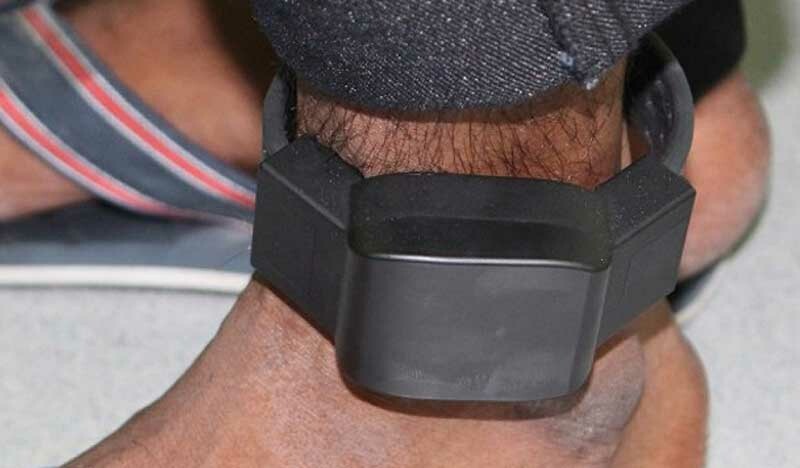
The concept of electronic tagging, known as Monitor and Control (MoniCon) tags. | PHOTO: Police
The Prosecutor General’s Office (PGO) of the Maldives has officially launched a new electronic monitoring programme aimed at easing the detention of individuals who have been held for extended periods either before trial or during ongoing court proceedings. The initiative specifically targets those eligible for bail but who remain in custody due to severe delays in the judicial process, particularly at the Criminal Court.
The PGO stated that it has decided to review the detention status of individuals who may qualify for conditional release under an electronic monitoring system, with implementation starting today. This measure comes as part of President Dr Mohamed Muizzu’s pledge to address long-term, unresolved remand cases, ensuring that accused persons are not unjustly held for indefinite periods without the conclusion of their trials.
advertisement

advertisement
advertisement

Assessment Before Release
According to the PGO, individuals will not be automatically released. A prior assessment must be conducted by the Maldives Police Service and the Maldives Correctional Service, evaluating whether the person poses a threat to public safety and determining the agencies’ capacity to supervise them.
These assessments will be prepared by the Local Police Service under the guidance of the PGO. If the assessment supports monitored release, the PGO will submit a request to the court for a hearing under Section 66 of the Criminal Procedure Code (CrPC), which allows for electronic tagging as a condition of bail.
The decision to ease remand will rest solely with the court, and if granted, the monitoring period will be limited to 100 days, subject to judicial review.
While the programme allows any accused individual to submit a request for conditional release under electronic monitoring, the PGO has made clear that its policy does not support releasing individuals accused of serious crimes, particularly sexual offences such as child sexual abuse.
“It can be submitted. But won’t release such individuals,” a media official from the PGO stated. “It is not the policy of the Prosecutor General’s Office to seek the release of a person accused of child sexual abuse.”
The media team further explained that any relaxation of remand will be based strictly on assessments conducted by the Maldives Police Service and the Maldives Correctional Service, in line with the procedures.
ނޫސް ބަޔާން: އިލެކްޓްރޯނިކް މޮނިޓަރިންގ ނިޒާމެއްގެ ތެރެއިން ޝަރީޢަތް ނިމެންދެން ބަންދުގައި ތިބި މީހުންގެ ބަންދަށް ލުއި ދިނުމާ ގުޅޭhttps://t.co/OIPib5Pb30 pic.twitter.com/hlQhW6TTRi— Prosecutor General’s Office (@PGO_MV) May 21, 2025
Ongoing Supervision and Re-Detention
The PGO confirmed that the court will reassess each case every 100 days, and in the event of any breach of court-imposed conditions, the office will immediately request re-detention.
The Maldives Police Service and the Maldives Correctional Service will oversee the monitoring, with support from digital systems and local enforcement units.
Application Process
Detainees who wish to seek release under the electronic monitoring programme may apply by submitting the “Application for Grant of Relief through Electronic Monitoring System” form to the PGO. Legal counsel may also communicate with the office via its online portal (online.pgo.mv).
This process is open to individuals who have a valid reason to request conditional release while in remand, whether pre-trial or during the trial, due to delays in court proceedings.
Addressing Judicial Bottlenecks
The initiative comes amid persistent challenges facing the Maldives Criminal Court, which currently operates without a permanent building. These logistical limitations have significantly slowed case progress, leading the government to shift the Criminal Court to a facility in Hulhumalé, while planning for a permanent structure is underway.
The PGO clarified that this is not a mass release and that each case will be individually assessed on its legal merit, the seriousness of charges, risk level, and capacity for monitoring.
By launching the electronic monitoring programme, the Prosecutor General’s Office aims to strike a balance between upholding justice and protecting individual rights, especially for those detained for long periods due to institutional delays outside their control.
Background: Electronic Tagging Not a New Concept in the Maldives
The concept of electronic tagging, known as Monitor and Control (MoniCon) tags, is not entirely new to the Maldives. It was first introduced during the administration of former President Abdulla Yameen, under the tenure of Umar Naseer as Minister of Home Affairs.
At the time, Minister Umar Naseer faced significant public and political pressure following the rollout of the MoniCon system. The initiative became controversial and, amid criticism and a lack of institutional support, was eventually suspended. Naseer later resigned from his post.
During the presidency of Ibrahim Mohamed Solih, the idea of reintroducing electronic tagging resurfaced, this time under the leadership of then Home Minister Imran Abdulla. Although the announcement to revive the programme was made, it never fully materialised or moved into active implementation.
The current programme launched by the PGO under President Dr Mohamed Muizzu’s government marks the first formal operationalisation of an electronic monitoring system with a clear legal process, risk assessment mechanisms, and judicial oversight.