


President Muizzu Proposes Death Penalty for Drug-Related Offences
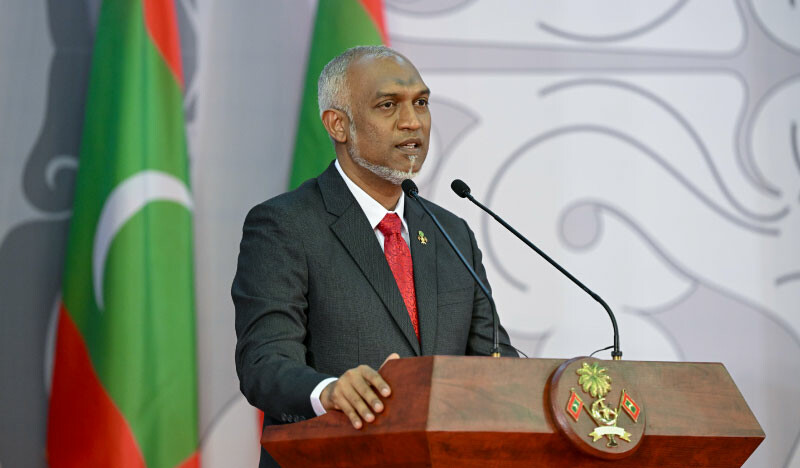
President Dr Mohamed Muizzu speaking at the Independence Day function on July 27, 2025 | Photo: President’s Office
President Dr Mohamed Muizzu has announced that he has instructed relevant authorities to explore the possibility of introducing the death penalty in the Maldives for individuals convicted of drug-related offences, specifically those found guilty of possessing or selling illegal substances.
The President made the statement on X in Dhivehi last evening while commenting on the proposed amendments to the Narcotics Control Bill currently under review in Parliament. In his remarks, he referenced similar laws in other countries and suggested that the Maldives should consider capital punishment as a deterrent for serious drug crimes.
advertisement

advertisement

advertisement

މަސްތުވާތަކެތީގެ ވަބާއިން ދިވެހި މުޖްތަމަޢު ސަލާމަތްކޮށް، މަސްތުވާތަކެތިން ދުރުހެލިވެފައިވާ ޖީލެއް ބިނާކުރުމަކީ މިސަރުކާރުގެ އެންމެ މުހިންމު އެއް އަމާޒު.
އެގޮތުން، މަޖިލީހަށް މިހާރު ހުށަހަޅާފައިވާ މަސްތުވާ ތަކެއްޗާބެހޭ ޤާނޫނަށް އިސްލާހުގެނައުމުގެ ބިލްގައި، މަސްތުވާތަކެތި…— Dr Mohamed Muizzu (@MMuizzu) July 30, 2025
A Significant Legal Shift
If enacted, the proposed changes would mark a major shift in Maldivian law, which currently restricts the death penalty to homicide convictions. Although several individuals in the Maldives remain on death row, the last recorded execution in the country took place in 1953.
Under the current legal framework, those convicted of drug trafficking face life imprisonment or fines ranging between MVR 100,000 and MVR 1 million. Last year, the Ministry of Homeland Security also proposed capital punishment for trafficking more than 500 grams of drugs. However, when the bill was sent to the parliament, the death penalty was not included.
Global Context and Concerns
According to the Death Penalty for Drug Offences: Global Overview 2024 by Harm Reduction International, 34 countries currently impose the death penalty for drug offences. These include crimes such as manufacturing, trafficking, smuggling, and in some jurisdictions, even possession and financing of drug operations.
The report states that drug-related offences accounted for roughly 40 percent of all executions confirmed globally in 2024, with at least 615 people executed for such crimes—excluding figures from countries like China, Vietnam, and North Korea, where official data is unavailable. Iran carried out the highest number of executions for drug crimes, with 485 recorded cases, including at least 14 women.
The President’s proposal is expected to generate debate as the Parliament continues deliberations on the Narcotics Control Bill. No timeline has been announced for the completion of the proposed study or submission of findings.