

Push for Preferential Voting Gains Momentum Amid Diverging Political Views
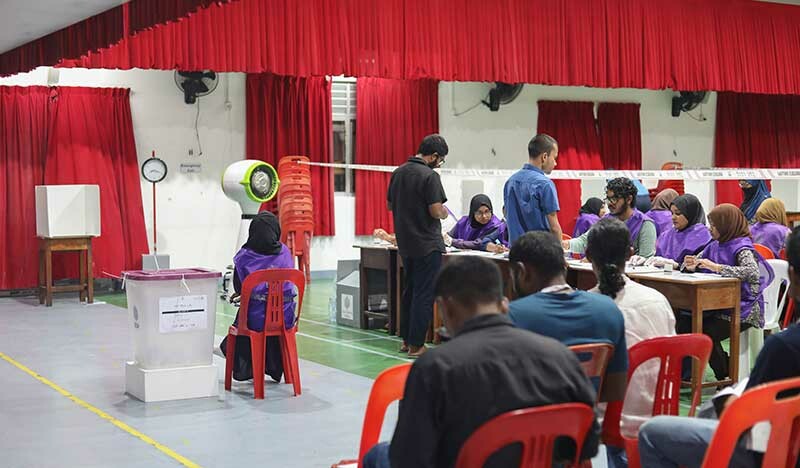
Citizens casting their votes in the Maldives’ presidential elections | Photo: MV+
Former President Mohamed Nasheed has expressed support for introducing a single-round presidential election in the Maldives, using a preferential voting system. His endorsement comes amid renewed efforts to reform the country’s electoral process.
Nasheed made his position clear in a post on social media platform X, backing a shift away from the current two-round system.
advertisement

advertisement

advertisement

The move follows a call by President Dr Mohamed Muizzu, who last week urged Members of Parliament to consider amending the Constitution to allow for such a change. Speaking during a meeting with members of the ruling People’s National Congress (PNC) at Muliaage, President Muizzu reiterated his belief that a preferential voting system could offer a more efficient and cost-effective alternative.
Preferential vote aai eku nama eh burun vote laa ninmaa sarukaareh ufadhdhaa usoolakee rangalhu usooleh kamah alhugandu ves dheken.— Mohamed Nasheed (@MohamedNasheed) April 20, 2025
The President previously stated that the Attorney General’s Office had begun examining the feasibility of implementing a single-round system. He argued that such a system would clearly determine both the winner and the runner-up without requiring a second round of voting. He also emphasised the importance of public consultation before making any significant changes to the electoral framework.
The government has indicated that it is preparing to conduct a public vote to seek approval for the proposed shift. Under the new system, candidates would need to secure over 50 percent of the vote based on ranked voter preferences in a single round.
However, the proposal has faced opposition from the main opposition Maldivian Democratic Party (MDP). Party Chairperson Fayyaz Ismail has rejected the government’s approach, claiming that the move is aimed at limiting voter participation.
In a post on X, Fayyaz argued that changes to the electoral system should not be made in a way that restricts democratic engagement. He also raised concerns about the justification of the reform as a cost-cutting measure, questioning the rationale in light of what he described as continued unnecessary public spending.
Fayyaz, who formerly served as Minister of Economic Development, stressed the importance of electing a president with a clear mandate in a country where election results are determined and announced swiftly. He also highlighted constitutional provisions that separate the timing of presidential and parliamentary elections to preserve Parliament’s oversight functions.
Electoral reform should not be an excuse to limit the voices of voters. In a small nation like ours where votes are tallied in a day, the President-elect should be sworn in with a clear mandate from the majority of the voting population. The government’s justification of such a…— Fayyaz Ismail (@faya_i) April 20, 2025
While he opposed merging presidential and parliamentary elections, Fayyaz acknowledged that combining presidential and local council elections could potentially enhance policy coordination between central and local governments. He maintained that any such changes should be subject to broad public dialogue and consultation.
އިންތިޚާބީ ނިޒާމަށް ގެންނަން ހުށަހަޅާ ބަދަލުތަކަކީ ވޯޓުލާ މީހުންގެ ހައްގުތައް ހަނިކުރެވޭ ބަދަލުތަކަކަށް ވެގެން ނުވާނެ. ރާއްޖެ ފަދަ ކުޑަ ގައުމެއްގައި، މަދު ގަޑިއިރުތަކެއް ތެރޭ ވޯޓު ގުނައި ނަތީޖާ އިއުލާނު ކުރެވޭއިރު، އިންތިހާބީ ރައީސަކު ހުވާ ކުރައްވަން ޖެހިވަަޑައިގަންނަވާނީ ވޯޓުލާ…— Fayyaz Ismail (@faya_i) April 20, 2025
The government is also pursuing changes to the electoral calendar, seeking parliamentary support to hold presidential and parliamentary elections concurrently.
As debate continues, the push for a preferential voting system remains a central point of contention in the broader discussion about electoral reform in the Maldives.