


RCC Lawyer Says Fehi Asseyri Owner Withdrew From Settlement Agreement After Accepting Terms
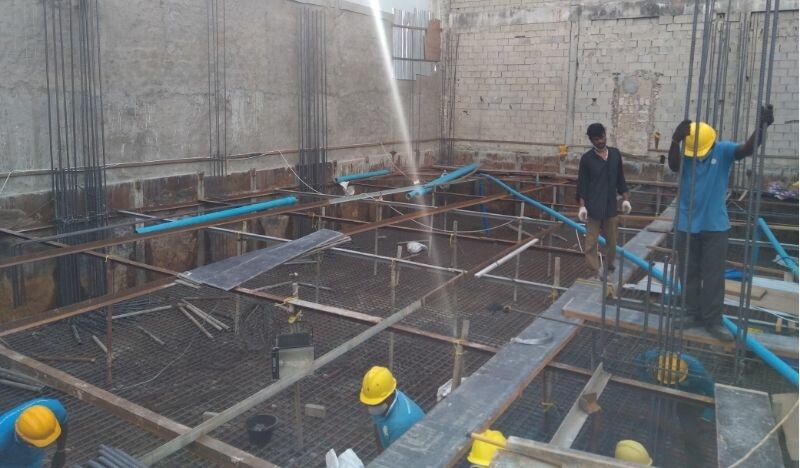
Construction works at M. Kandufushi. | Photo: RCC
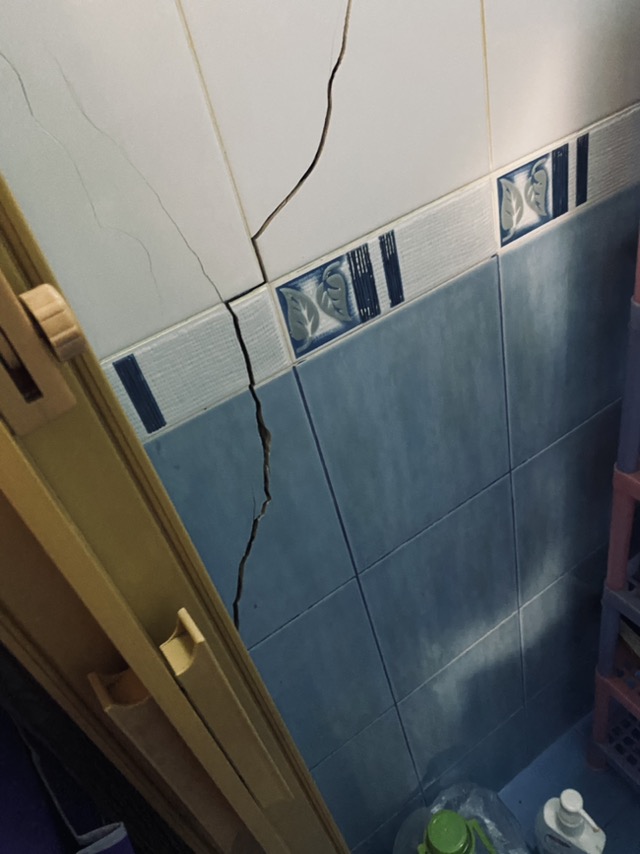
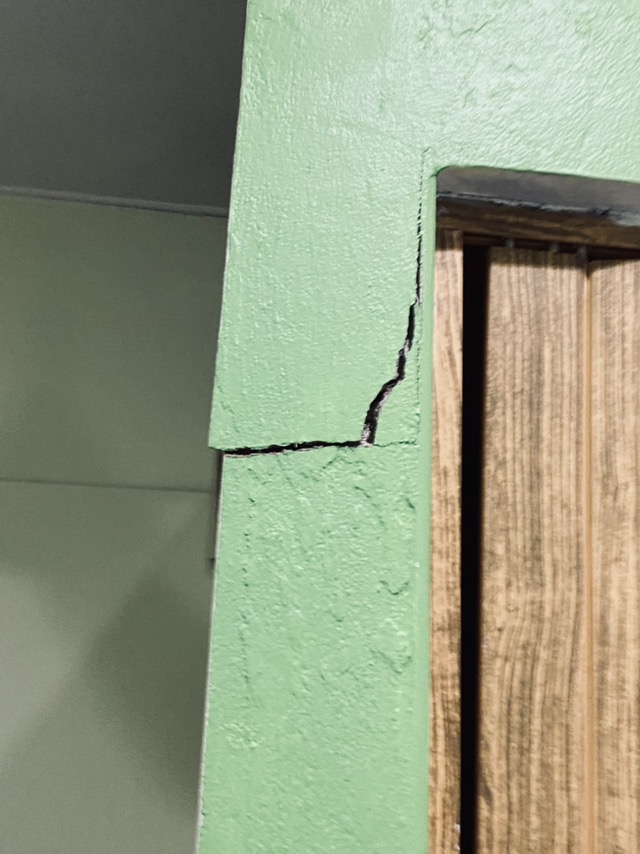
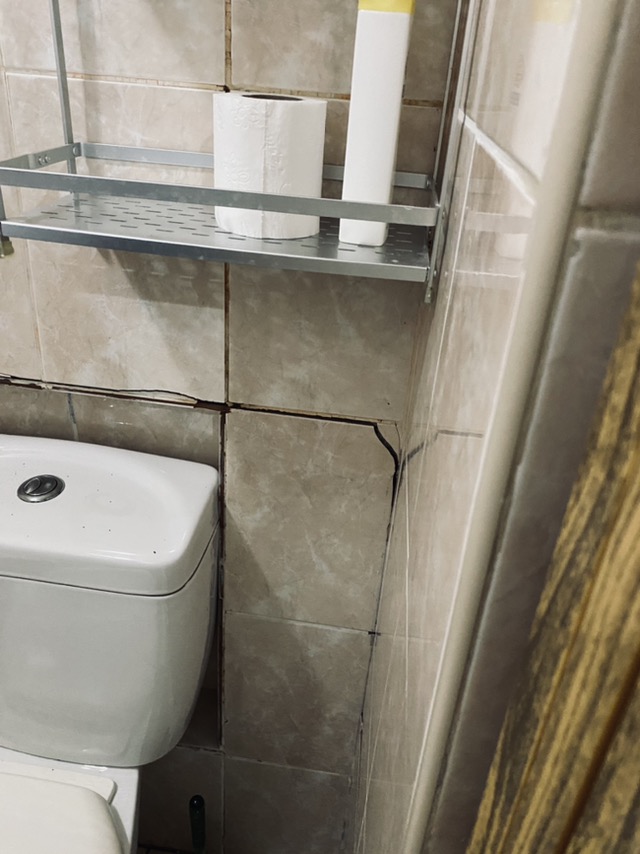
A long-running dispute over structural damage to a Malé home has intensified after the owner of M. Fehi Asseyri accused Rasheed Carpentry and Construction (RCC) of causing extensive damage during the construction of the adjacent high-rise M. Kandufushi, leaving the property uninhabitable.
Speaking at a public meeting with Henveiru residents and President Mohamed Muizzu, where the chairman of RCC MP Mohamed Nazim was also in attendance alongside the president, one of the owners of Fehi Asseyri Hasan Rasheed said RCC’s work had forced his family out of their home. “The house is no longer liveable. My family is now renting elsewhere. I have been seeking justice for two years,” he said.
RCC has rejected the allegations that it occurred solely due to the construction works, asserting that the damage occurred because Fehi Asseyri was structurally weak and not built to regulatory standards.
In an interview, RCC lawyer Ahmed Sameer said the company conducted a site evaluation before starting construction and shared the findings with the owners. “Fehi Asseyri is a two-storey, single-block building that was not built with permission and is not up to code. That is why it sustained more damage,” he said.
Sameer said RCC inspected the reported damage early and initially offered to carry out the repairs. “We are a construction company, so fixing it ourselves is easier than paying compensation. That was our first proposal, but the owners refused and demanded money instead,” he said.
He noted that RCC later met the Ministry of Construction, Housing and Infrastructure to negotiate compensation and agreed to pay MVR 1.17 million within three months after ministerial review. According to him, the owners accepted the settlement and sent written confirmation.
“After we sent the draft settlement agreement, they confirmed it in writing. But the next day they said they no longer wanted to settle. At that point, the next step was a court case. We made that clear to them,” Sameer said.
MV+ has reviewed copies of the draft settlement agreement sent to the owner, the site examination report prepared by RCC, and email correspondence between the lawyer and the homeowner confirming the sequence of events outlined by the company.
RCC maintains that the most significant damage stemmed from the home’s original construction. An internal observation report described Fehi Asseyri as “very old”, with “no proper foundations, beams, or columns”, and concluded that the structure could not withstand the deep foundation work carried out next door. The report cited widespread cracking in floors and walls and structural settlement.
The company also proposed a detailed rectification plan, including structural reinforcement, flooring replacement, crack repairs, roof sheet replacement, and refurbishment of damaged toilets, kitchens, ceilings, and fixtures. RCC said it was ready to repair the house room by room but needed each area vacated during the work.
With negotiations stalled and both sides standing firm, the dispute now appears headed for court.