

STO Expands Food Imports Amid Rising Prices
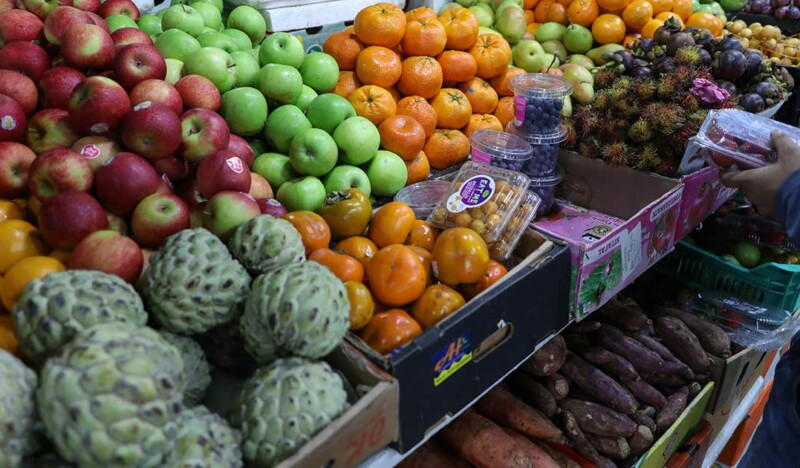
Local market in Male city | Photo: MV+
The government has announced that the State Trading Organisation (STO) will begin importing and selling a wider range of essential food items, including ten types of fruits and vegetables, lentils, eggs, garlic, and potatoes.
This marks the first time the state-owned enterprise has expanded beyond its traditional imports of flour, sugar, and rice.
advertisement

advertisement

advertisement

ދިވެހިރާއްޖޭގައި ފުޑް ސެކިޔުރިޓީ ޤާއިމުކުރުމަށް މެނިފެސްޓޯގައި އަޅުގަނޑު ކަނޑައަޅާފައިވާ ސިޔާސަތު ތަންފީޒުކުރުމަށް ކުރެވޭ ކަންކަމުގެ ތެރެއިން ރާއްޖޭގައި ޒަމާނުންސުރެ ކަނޑައަޅާފައިވާ ކާޑުގެ ބާވަތްތައްކަމުގައިވާ ހަނޑޫ،ހަކުރު،ފުށުގެ އިތުރުން، ރާއްޖެއަށް އެންމެ ގިނައިން އެތެރެކުރާ 10…— Dr Mohamed Muizzu (@MMuizzu) September 10, 2025
The decision forms part of the government’s efforts to stabilise market prices and strengthen food security, which President Muizzu has identified as a key pledge in his manifesto. The announcement comes as food prices continue to rise in the Maldives. According to the Maldives Bureau of Statistics, prices increased by 1.96 percent compared to August last year, with a month-on-month rise of 1.62 percent.
The Cabinet has also decided to make policy changes to support the government’s food security strategy. While further details on the new initiative have not yet been disclosed, the STO is expected to play a central role in bulk imports to regulate prices in the local market. In recent months, STO has taken similar measures, such as importing coconuts, apples, and oranges in large quantities to counter rising costs, with oranges currently being sold at MVR 35 per kilogram.
However, the move has prompted criticism from former Finance Minister Ibrahim Ameer, who argued that assigning responsibility for food supply to STO does not amount to genuine food security. He maintained that true security would require cultivating imported crops locally, thereby reducing reliance on other countries in times of crisis.
🤦 އިއްޒަތްތެރި ރައީސް. ތިއަށް ފުޑް ސެކިއުރިޓީ އޭ ނުކިޔާނެ. ފުޑް ސެކިއުރިޓީ އަށް ވާނީ ތި ފާހަގަ ކުރި ބާވަތްތައް ރާއްޖޭގައި ހެއްދުމުން. މިހާރު ތި ކުރެވޭ ކަމަކީ އަމިއްލަ ފަރުދުންގެ ވިޔަފާރިއަށް ވަދެވެނީ. https://t.co/VjSGZGlsXl— Ibrahim Ameer 🇵🇸 (@iameeru) September 10, 2025
Ameer also cautioned that expanding STO’s role into markets traditionally run by private businesses could harm local enterprises. He warned that using state-collected revenue to finance these imports could undermine competition and force smaller businesses to close.
Price pressures across the market are largely linked to foreign currency challenges. Traders report that the appreciation of the US dollar has driven up import costs, with the black market exchange rate remaining above MVR 20 in recent weeks, compared to around MVR 16 previously.