


Study Reveals Gaps in Healthcare and Social Support for Elderly in the Maldives
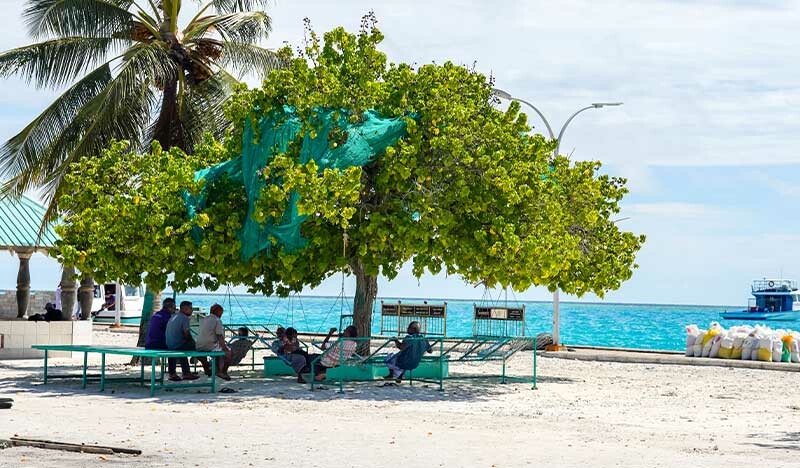
Photo: MV+
A study has highlighted a lack of access to the Aasandha scheme for home-based healthcare services, identifying this as a critical barrier for the country’s elderly population.
Conducted as a nationwide survey by the Maldives National University, the study examined the perspectives of senior citizens on living healthily and with dignity in the Maldives.
advertisement
advertisement

advertisement

Key findings reveal that seniors encounter several significant challenges, including restricted access to essential health services and a shortage of specialised healthcare professionals. While efforts over the last decade have aimed to improve the lives of older adults, the study suggests that these initiatives have yet to produce substantial outcomes.
In addition to healthcare issues, the study highlights broader societal challenges. Many elderly individuals face limited safe outdoor spaces, insufficient respect, and few opportunities to share their knowledge and skills with younger generations. The survey also found that loneliness and a sense of disconnection from family and community were common, with younger people often prioritising technology over in-person interactions.
Further, the report points to a lack of support from local councils, with elderly citizens receiving minimal opportunities for social interaction and healthy activities.
To improve quality of life for seniors, the study recommends strengthening social connections, providing community health services through Aasandha, ensuring a steady supply of essential medications, and offering psychological support. It also stresses the need to raise awareness of the physical and mental changes associated with ageing.
The report advocates for the swift introduction of legislation to protect the rights and welfare of older citizens, especially as projections indicate that a significant proportion of the population will be elderly by 2054.