

The Unseen Burden: Personal Stories from Maldivians Battling Chronic Pain
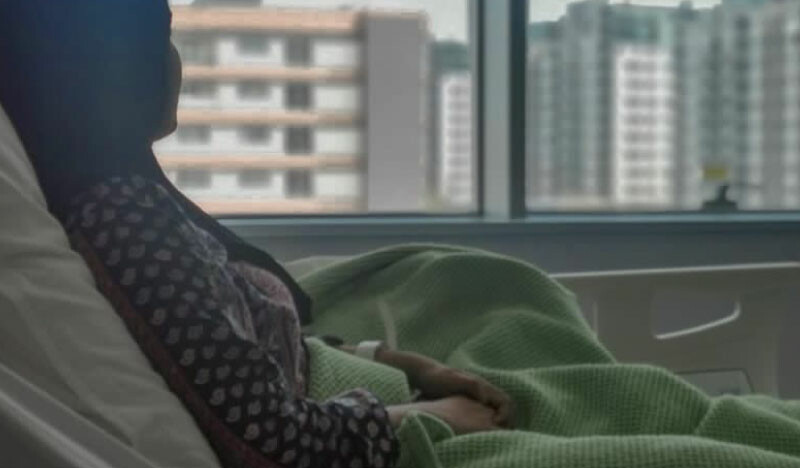
“While people often say that an illness doesn’t define you, I admit mine does. It shaped the dreams I can pursue, the activities I can engage in on any given day, the jobs I can hold, and my social and family life. It influences every aspect of my existence and I think it’s alright to accept that,” says Fathima (not her real name), describing her chronic pain condition.
According to experts, chronic pain is characterised as long-standing pain that continues past the typical recovery period or occurs along with a chronic health condition, such as arthritis. Such pain may be brief, recurring or continuous over a long period of time.
advertisement

While arthritis may be the most common cause of chronic pain in Maldives, and the most familiar to us, the topic of chronic pain caused by different auto-immune conditions have been discussed on social media over the last few years.
Although there have been no formal studies done in Maldives, a study in Australia shows that every 1 in 5 Australian lives with chronic pain and over 60% of them suffer from anxiety or depression as a result of their conditions. This means that there is a high likelihood that each of us know someone who is dealing with chronic pain, along with the isolation and loneliness that comes along with it.
In this article, I will bring you the story of two women who have chronic pain conditions and have been vocal about their physical and mental struggles.
Fathima: A Woman’s Story on Resilience in the Face of Fibromyalgia
Sharing about her initial reaction to the diagnosis and the struggles that ensued, Fathima highlighted the importance of feeling understood by the people around her.
“At 26, I received a diagnosis of fibromyalgia, a chronic pain condition causing widespread musculoskeletal pain which unfortunately has no cure. My struggle with intense pain, mysterious bruises, and various other symptoms started at the age of 13. Over the years, I consulted various specialists, each suggesting different medical conditions and prescribing numerous medications. Unfortunately, none provided relief until I fell seriously ill in 2014. Fortunately, I was diagnosed by a fibromyalgia expert who not only identified the condition but also took time to educate me from the beginning.”
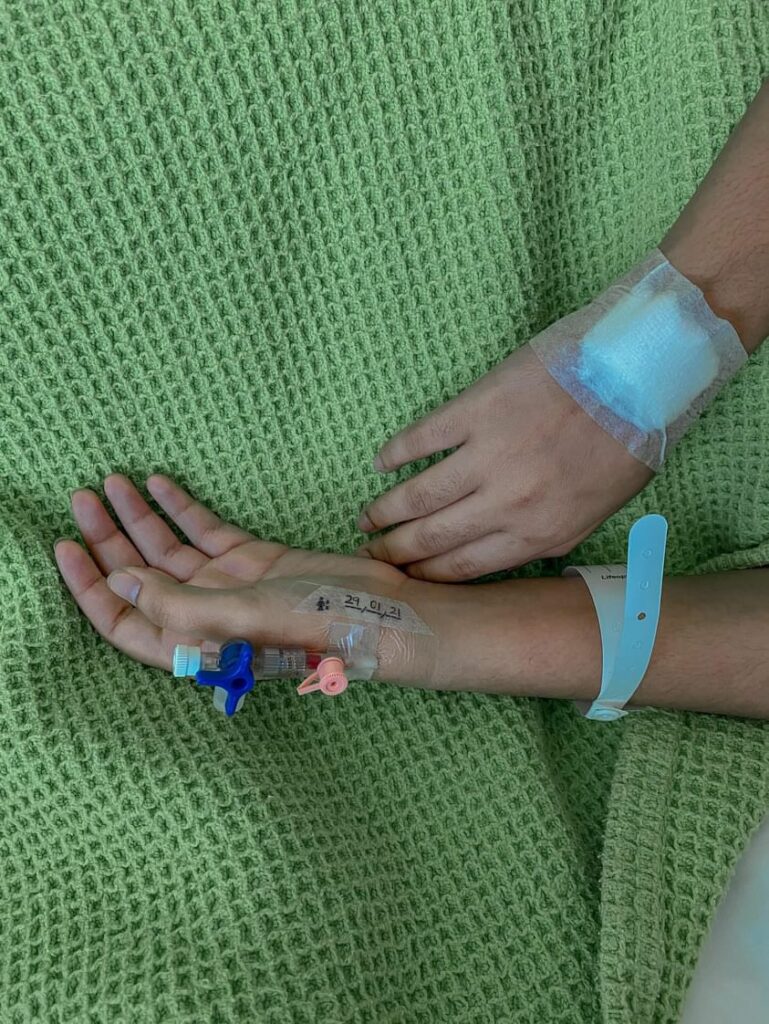
“Initially, I felt utterly lost and defeated by the diagnosis. Accepting that this persistent pain was going to be a lifelong companion was a tough pill to swallow, especially the fear of how this was going to affect my life. But the doctor provided unwavering support and took time to help me come to terms with the diagnosis. My loved ones have seen me sick for as long as I could remember. I knew that some already had a hard time understanding an invisible illness and naming it was not going to magically change perspectives. So, I did not really talk about it and some still think I have back pain. A few knew of the exact diagnosis- some didn’t care for it, while others took the initiative to educate themselves and offered the support I needed. My greatest support came from my husband, who had been caring for me long before the diagnosis and it helped him be even more present.”
“I consider myself fortunate compared to many dealing with chronic illnesses, because I have had access to good health care so far. I had a supportive boss who allowed me to thrive at work at my own pace and this support was crucial for maintaining a full-time job in Male’, despite frequent sick leaves, because the stigma around sick days in our society is not always forgiving.”
“However, the challenge was and still is in the lack of psychological support, a common issue for those with chronic illnesses. Despite a solid support system, some close to me were surprisingly harsh, making my life more difficult. While I understand that not everyone can comprehend my illness, some showed no empathy. On days when I couldn’t get out of bed, I was labeled lazy and unsociable. Assumptions were made about my character and I was called names without understanding my daily struggles”.
Given that chronic conditions like fibromyalgia are uncommon in Maldives and not widely discussed, the process of coming to terms with a diagnosis and understanding the illness is extremely challenging. Fathima elaborated on how the illness has changed her life and how she came to accept the limitations and changes it brought to her life.
“Adapting to life with the illness was a gradual process. Initially, I heavily relied on medication, even reaching the point of addiction where I nearly overdosed. It took time and considerable effort from my doctor to make me realize that I couldn’t push myself beyond limits, and my daily schedule had to align with my pain levels. Despite wanting so much from life, I had to slow down and adjust to living with the illness.
Over time, it significantly changed me. Having experienced lack of understanding from others, I have become more empathetic. My resilience has grown, as I know that giving into the pain would confine me to bed long term. Unfortunately, I have also become less trusting because of the horrible experiences. I have grown more reserved, keeping my struggles to myself as many don’t truly comprehend what fibromyalgia is and often make insensitive remarks. But I am grateful for how much I have grown through the pain. Today, I manage my pain without medication, except during flare-ups. I am more accepting of my illness and depression and I am okay with canceling plans and giving into the pain when it’s needed. I am still following my dreams, even if I had to adjust it a bit, and living a full life despite my illness. Having experienced so much with this, I try to educate others and raise awareness about chronic illnesses in every way I can.
It took years of living with the illness and a lot of therapy to come to terms with the fact that this pain is part of me and I cannot outrun it.”
Along with giving an insight into the daily struggles of life with chronic pain, Fathima’s story is a reminder to us of our responsibility as a society to educate ourselves and be more empathetic to people’s struggles and illnesses. As part of the society, we have a role to play as we are part of people’s emotional support systems and have the power to help those who are struggling.
Mariyam’s Battle with an Invisible Illness: Living with Lupus
Maryam shared her struggles with chronic pain which manifested in her teens. She was diagnosed with Systemic Lupus Erythematosus (Lupus) at 22, Ankylosing Spondylitis at 26 and interstitial lung disease more recently.
Like most patients, she struggled with finding the right doctor and it took years to reach proper diagnosis for her conditions. She recalled that her first realization that it could be Lupus had been reading about Selena Gomez and finding out for the first time that she has Lupus was a hard pill to swallow.
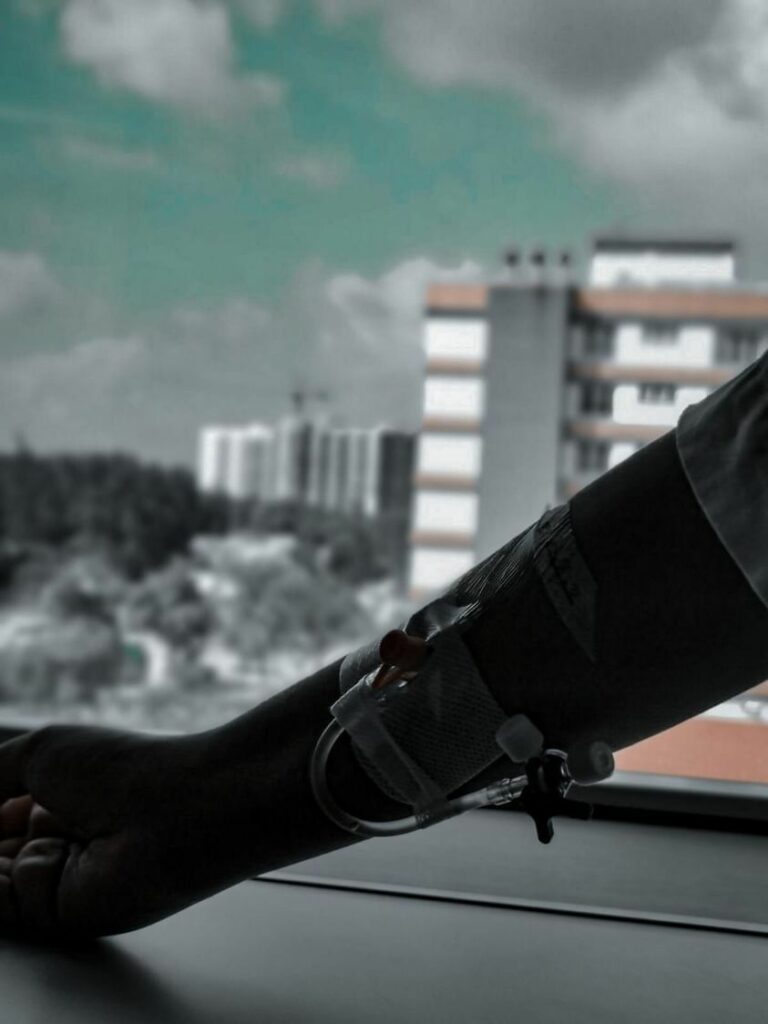
“Alhamdhulillahi, my family and loved ones were very supportive. With every new diagnosis I received, to the point where I had to rely on a portable oxygen machine 18 to 22 hours a day, they tried their best to understand and support me in every way they could. I struggled a lot in terms of getting proper psychological support. It’s like although people say they understand you, it’s hard for them to truly understand. And when your world is turned upside down right in front of your eyes, you get this huge wave of emotions, doubts, confusions and you grieve the life you had. You go through it all at once and knowing that your life is never going to be the same scares you. I couldn’t find a support group here in Maldives, but I am thankful for the international community and the people I met online who are on the same journey as me. They truly made me feel like I am not alone in this. Living with chronic illness is a constant battle of strength, resilience and hope. It’s been a rollercoaster ride, with its unpredictable flares and relentless symptoms. It has challenged me physically, emotionally and mentally. Each day brings its own set of challenges, both physical and emotional”.
Sharing her challenges with work and maintaining a social life, Maryam highlighted that her workplace has been extremely flexible. However, given that in chronic pain conditions, people are often perfectly normal on the outside, there are challenges in levels of acceptance from others. From colleagues not understanding why someone is taking sick leaves more often to friends feeling like there isn’t enough effort, it is a struggle to constantly explain.
“Diseases like Lupus are invisible illnesses, which means that I may look perfectly healthy on the outside while my body is silently fighting a battle on the inside. There are days where these diseases make me feel isolated and misunderstood. It is an invisible illness, often hidden behind a smile. People may not see the unbearable pain, the extreme fatigue, or the countless doctors’ appointments, tests, procedures, months in the hospital bed, countless medications, horrible side effects including that on your physical appearance, going through the fear of not reaching the end of the tunnel to see the light through all the downfalls, the anxiety which kicks in with all the what ifs, seeing your loved ones hopeless at times, praying for you to get though — and many other things that are part of life.
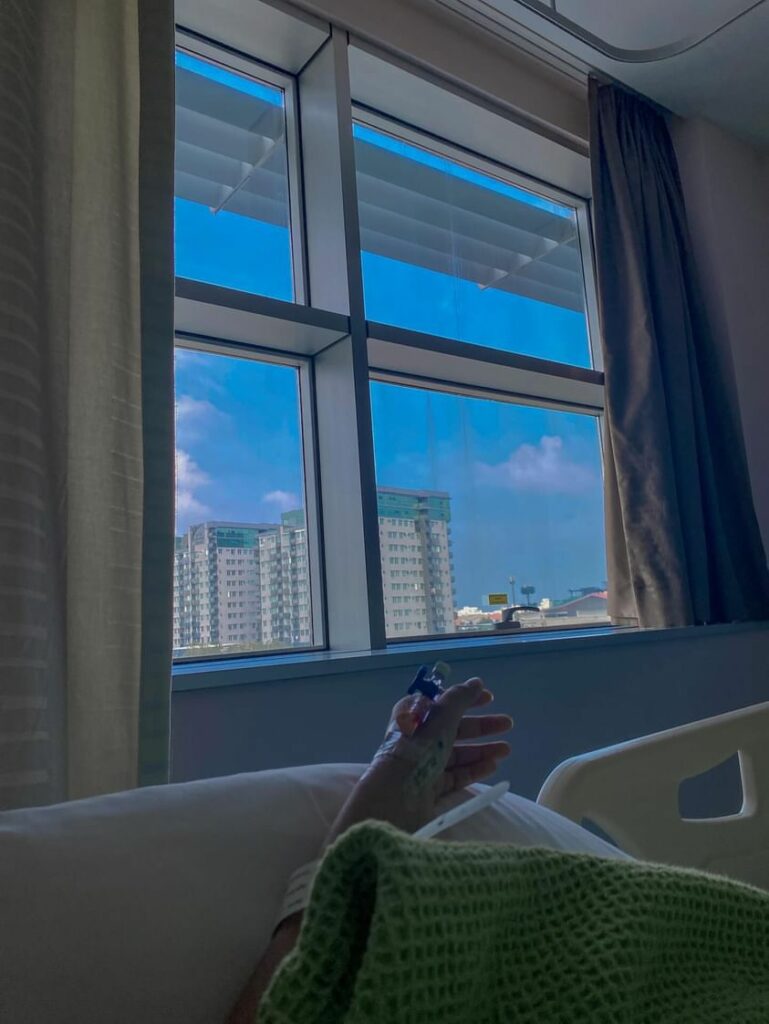
It can be lonely when people struggle to comprehend the daily challenges I face, but amidst the struggles I have found the courage to fight and the determination to live a fulfilling life. These diagnoses have forced me to become more resilient and resourceful, finding ways to live my life to the fullest despite its limitations.”
While a diagnosis of chronic pain can be overwhelming for someone, The Lupus Foundation of America has identified steps that a loved one or a caretaker can take in order to better support someone with Lupus. It includes working together to understand the conditions and working on healthy communication. Chronic pain conditions are often huge adjustments to make and it’s important to discuss and understand how it changes or impacts an individual’s life.
As evident from the stories of Fathima and Mariyam, chronic pain impacts every aspect of a person’s life including work, social life and relationships. Additionally, the uncertainty and constant pain can take a toll on a patient’s mental health in multiple ways. Therefore, it’s important to understand the needs of people with chronic pain, show empathy and show support in any way we can, to share the unseen burden that they carry for their entire lives.