

Vaavu Atoll Council President Urges Government to Secure Salaries for Atoll Council Staff Until Term Ends
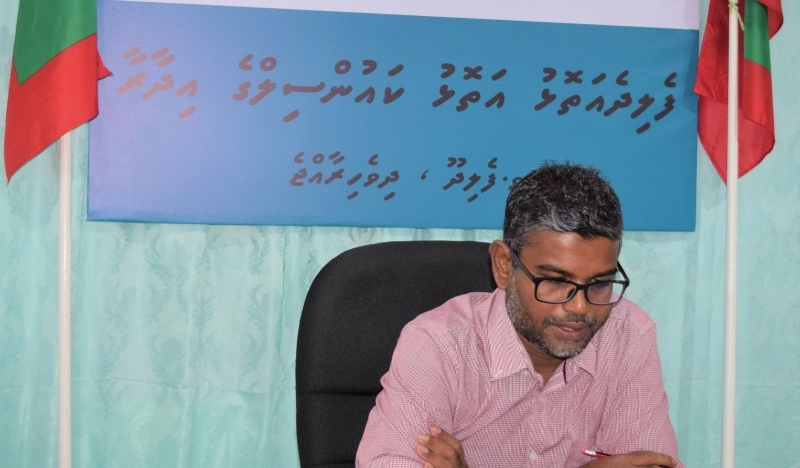
Vaavu Atoll Council president Shujau Ali. | Photo: Secretariat of the Felidheatholhu Atoll Council/FB
Vaavu Atoll Council President Shujau Ali has called on the government to ensure uninterrupted payment of salaries for civil employees working at atoll councils for the remainder of the current council term, warning that existing budget allocations are insufficient to cover even half of the period.
In a post shared on X, Shujau said the funds allocated for administrative expenses of atoll councils are only enough to cover two to three months of salaries. He said both the Ministry of Finance and Planning and the Ministry of Cities, Local Government and Public Works have told him the government is attempting to secure additional funding, while the Local Government Authority (LGA) has stated that no budget remains to pay salaries for the full year.
އަތޮޅު ކައުންސިލުތަކުގެ އިދާރީ ޚަރަދަށް ސަރުކާރުން ދޭ ފައިސާއިން މުވައްޒަފުންނަށް މުސާރަ ދެވެނީ މިއަހަރުގެ ފުރަތަމަ 3 މަހަށް.
@lgaMaldives ވިދާޅުވަނީ އިތުރުފައިސާ ނެތްކަމަށް. @MoFmv @MoCLPmv އިތުރު ފައިސާ ދެވޭނެގޮތެއް ބަލަމުން ދާކަމަށް. އަހަރުގެ ބާކީ މުއްދަތުގެ މުސާރަ، އަތޮޅު…— Shuja VAAVU RAEES (@Shuj4uAli) January 20, 2026
Speaking to MV+, Shujau said that although the current local council term is nearing its end and atoll councils are set to be abolished in May, the law requires administrative functions to continue until the transition is completed. He said this means salary payments must be ensured for the remaining five months of the term. However, he said the block grant issued by the government to atoll councils only covers two to three months of administrative expenses.
Shujau said councils reviewed the approved budget, which by law must be passed before 15 January, to determine whether it could sustain salaries for the remainder of the term, but found it fell significantly short. He said the LGA has maintained that it cannot disburse additional funds beyond what is allocated by the Ministry of Finance, despite acknowledging the issue.
He criticised suggestions that councils use funds raised by residents through community fundraisers, investments or locally generated revenue, stressing that such funds are not intended to cover civil service salaries. Shujau said Vaavu Atoll Council’’s primary sources of locally generated revenue include legacy income streams established prior to changes in decentralisation laws, such as rental income from atoll facilities and revenue shared from state-owned enterprises.
“This is not about paying political appointees,” he said, adding that the salaries in question are for civil employees who are legally entitled to be paid by the state. He also said that when amendments were made to increase civil servant salaries, the government failed to adjust the block grant accordingly to reflect the higher wage bill.
Shujau said no concrete solution has so far been proposed by either the relevant ministries or the LGA, which continues to refer councils back to the block grant formula set by the Ministry of Finance. He also raised concerns that the Finance Ministry did not account for staffing requirements for the remaining term when calculating allocations.
He further questioned the government’s planning, noting that the LGA is currently working to establish a new administrative system to take over functions after atoll councils are abolished. He said this new structure is likely to require more staff than are currently employed by atoll councils, making the lack of funding for existing employees even more concerning. The government has yet to formally announce details of the transition following the abolition of atoll councils, including the future status of civil servants currently employed by atoll councils nationwide.
The issue arises amid sweeping changes to the local governance structure. President Dr Mohamed Muizzu ratified the Seventh Amendment to the Constitution on 1 December, formally abolishing atoll councils. The amendment was passed by the People’s Majlis on 25 November of last year, and stipulates that atoll councils will be dissolved following the next local council elections, scheduled for 4 April. Existing atoll councils will remain in office until the mandates of newly elected island and city councils are constituted.
The constitutional amendment also triggered revisions to the Local Councils Election Act, removing all references to atoll councils and eliminating provisions governing their composition.
Shujau urged the government to urgently resolve the funding gap, saying the abolition of atoll councils does not absolve the state of its responsibility to pay civil employees for the duration of their lawful service.