

The Not-So-Sunny Side of the Maldives: Garbage Piles in Hulhumalé and Malé Amid Pre-Ramadan Clean-Up
The Maldives is known for its sunlight, the shimmer of turquoise lagoons, the promise of pristine shores, and the illusion of effortless ease. But in the days leading up to Ramadan, another image takes shape in the capital.
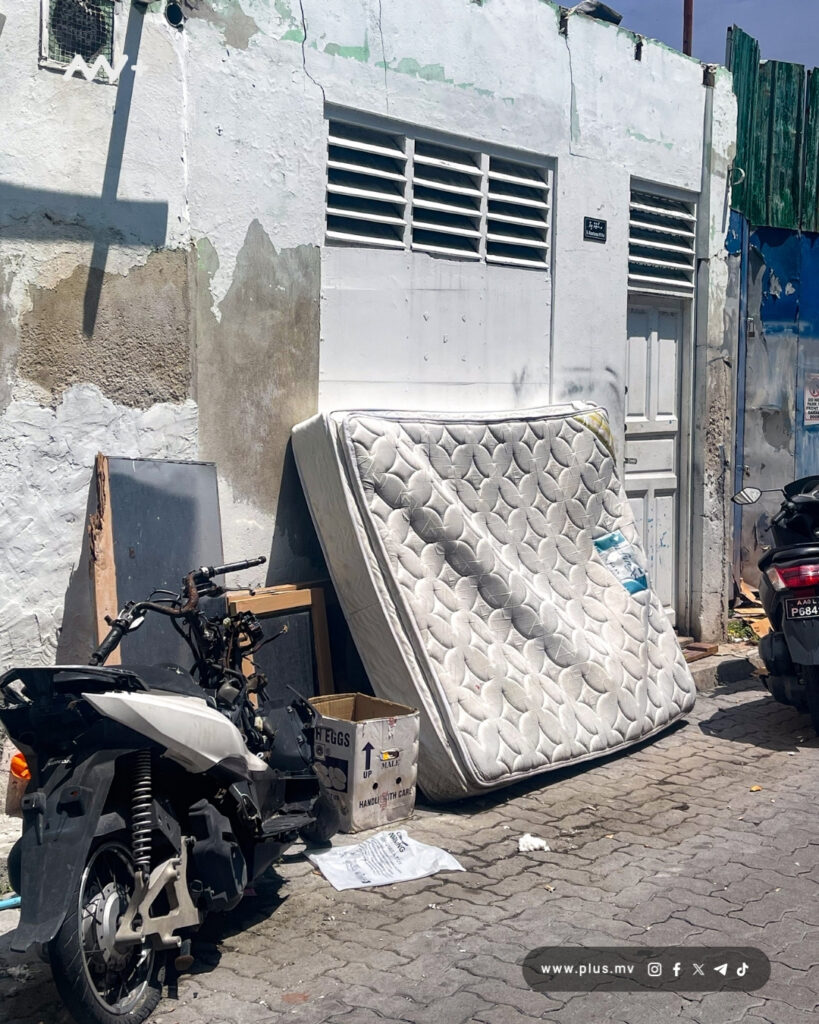
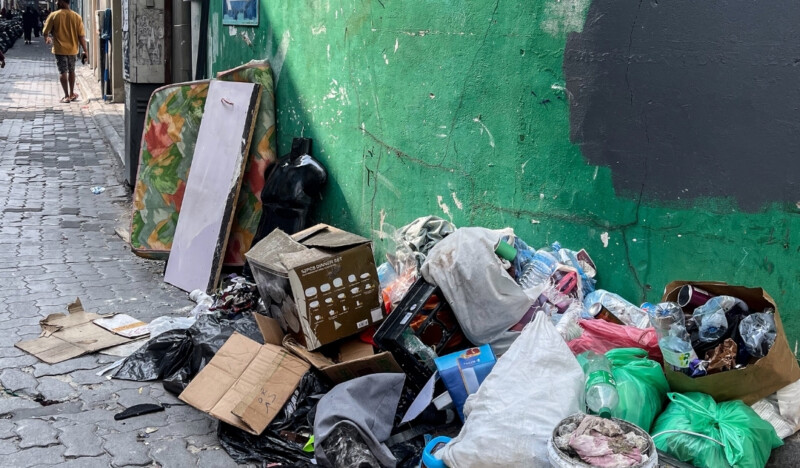
Along the streets of Malé and Hulhumalé, garbage piles quietly rise: cardboard boxes stacked against walls, broken furniture left at corners, plastic and polystyrene spilling from collection points.
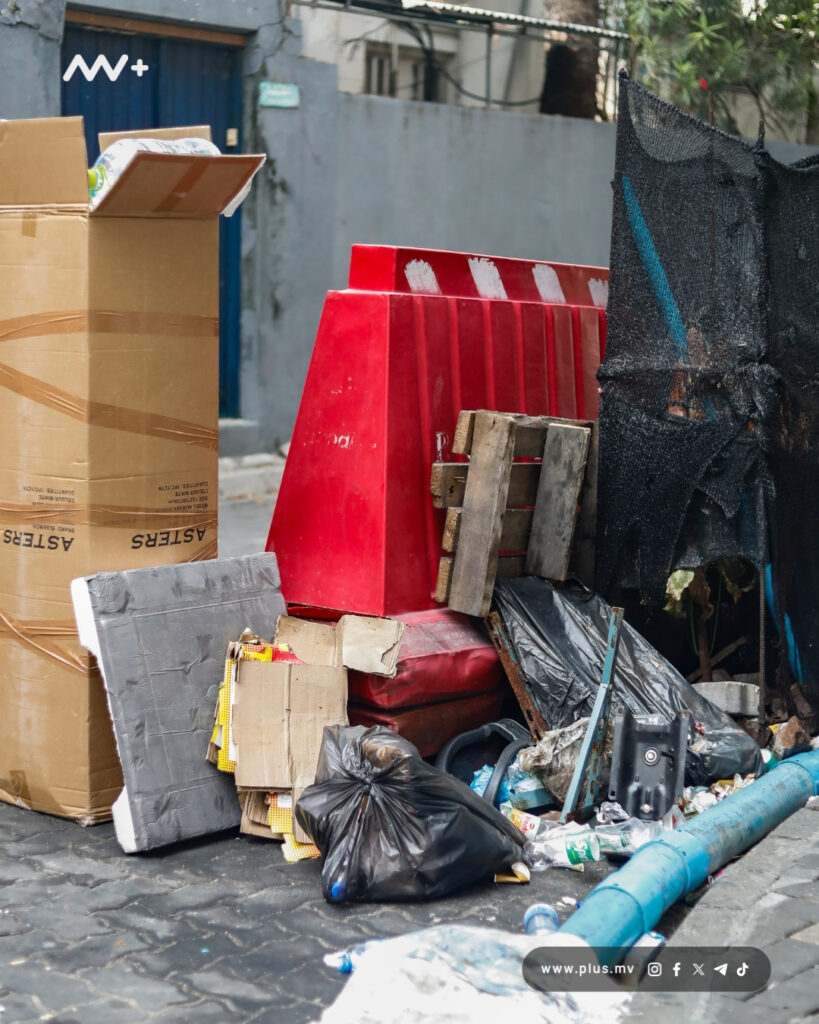
As households clear their homes in preparation for the holy month, the city bears the visible weight of renewal, a reminder that even paradise has a less photogenic side.
However, alongside this annual cleaning effort, a recurring problem has resurfaced: large amounts of garbage being left in corridors, walkways or around the external perimeter of the towers and the streets.
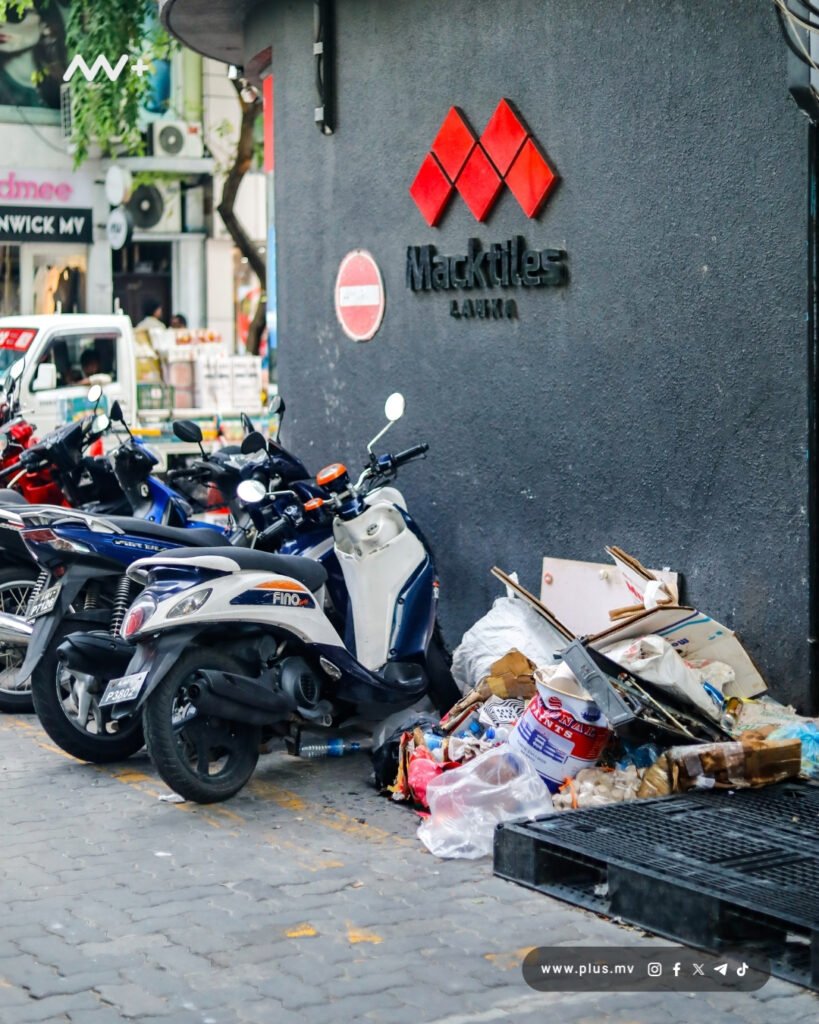
In Hulhumalé Phase II, the issue has become particularly visible around residential towers managed by Fahi Dhiriulhun Corporation (FDC). Managing Director Hamdhaan Shakeel has called for greater public cooperation after repeated incidents of illegal waste dumping near the FDC flats.
Residents have raised concerns on social media, sharing photos and videos of garbage piled near entrances and along walkways. One widely circulated video posted by writer and social commentator Shamoon Jaleel, also known as Lucas Jalyl, showed a corridor leading to a tower entrance blocked by waste, highlighting the inconvenience residents faced.
ހޮނިހިރު ދުވަހު ސާފުކުރި ތަންތަނަށް މިއަދު އޮތީ ކުނި އަޅާފައި. ތިމާ ދިރިއުޅޭ މާޙައުލަށް މި ގޮތަށް ކުނިއެޅުމަކީ އެކިއެކި ބަލިތަކަށް ހުޅުވާލެވޭ ދޮރެއް. މިއީ އަޅުގަނޑުމެންގެ ދީނާއި ސަޤާފަތާ ވެސް ބީރައްޓެހި ނާތަހުޒީބު އަމަލެއް.
— Hamdhan Shakeel (@HamdhanShakeel) February 9, 2026
އެފްޑީސީން މި ކުނިތައް ނައްތައިލި ކަމުގައިވިޔަސް،… pic.twitter.com/8gatZ9zxeO
According to FDC, an area that was cleaned on 8th February, Saturday, saw fresh waste dumped again by 9th February, Monday. The corporation described the behaviour as irresponsible and warned that it poses potential health and safety risks. FDC has since removed the waste and reiterated that action will be taken against individuals who violate housing agreements by disposing of garbage in unauthorised areas.
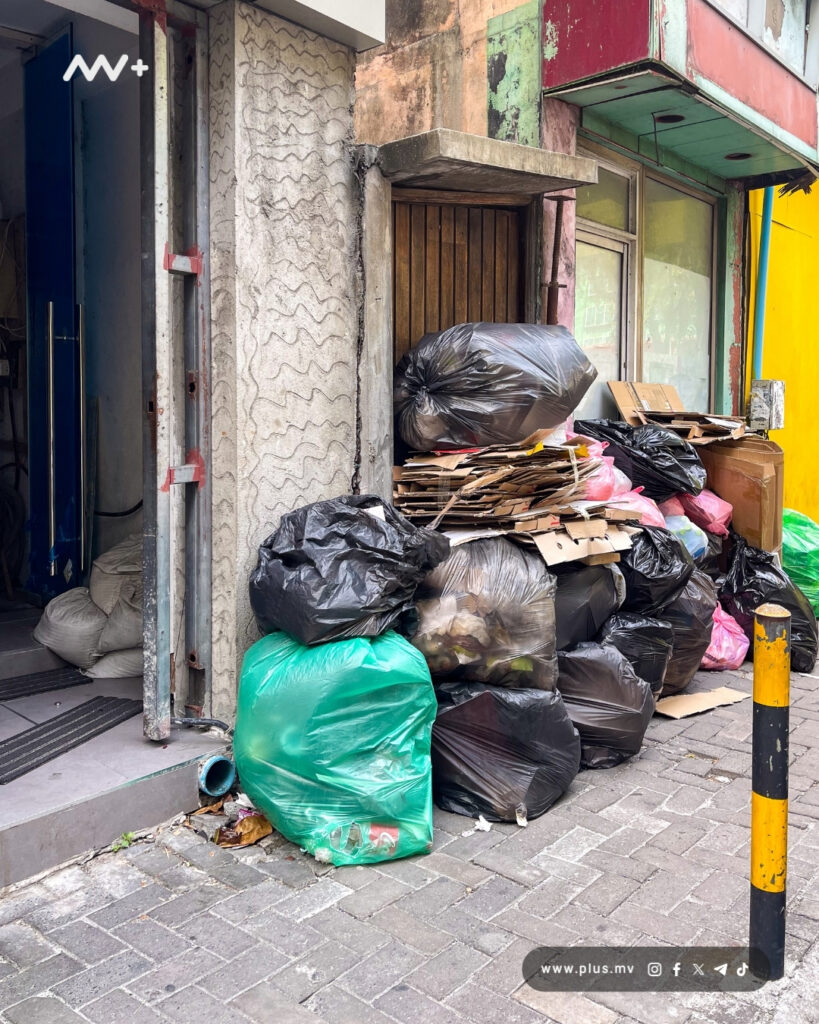
Despite measures taken to improve waste management, the problem persists. FDC has installed dustbins in 32 towers across Hulhumalé to facilitate proper disposal of ordinary household waste. However, residents continue to place large items — including cardboard boxes, polystyrene and bottles — either inside standard bins or in corridors and open spaces, even though such items are not permitted in household waste bins.
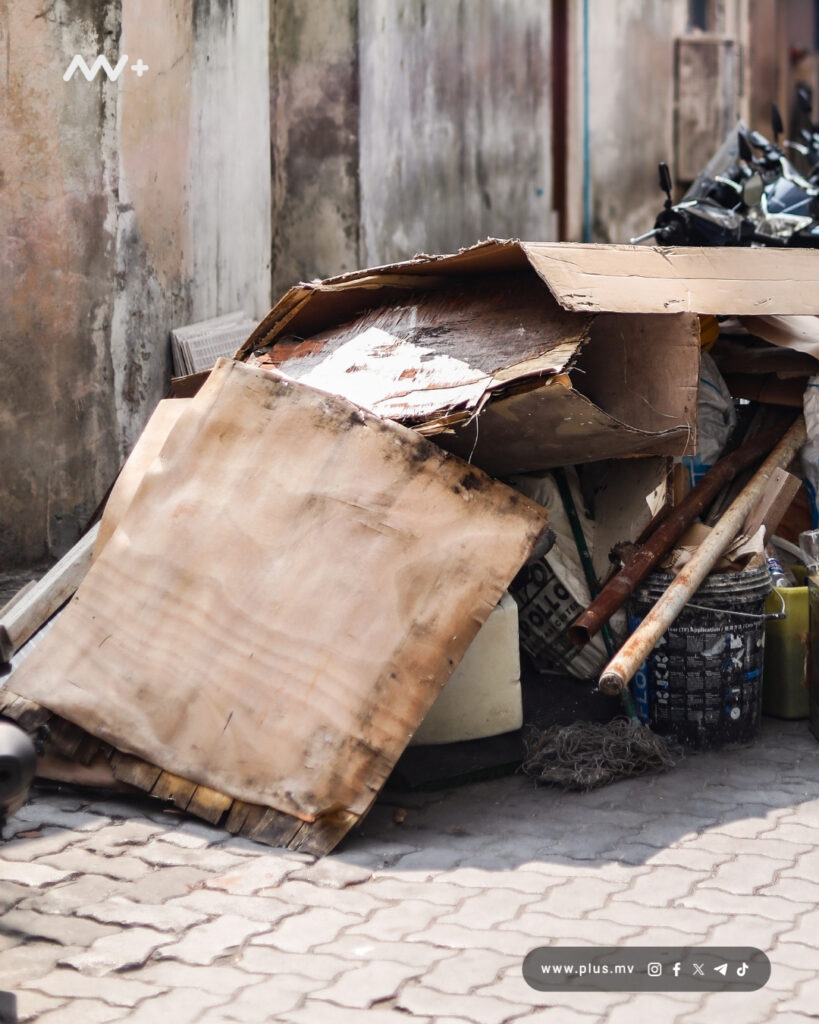
Under FDC regulations, household waste must be placed only in designated bins inside garbage rooms on the ground floor of each building. Corridors, walkways, and the external perimeters of the towers are not to be used for dumping. Residents are also responsible for properly disposing of large items generated during move-ins or home clean-ups.
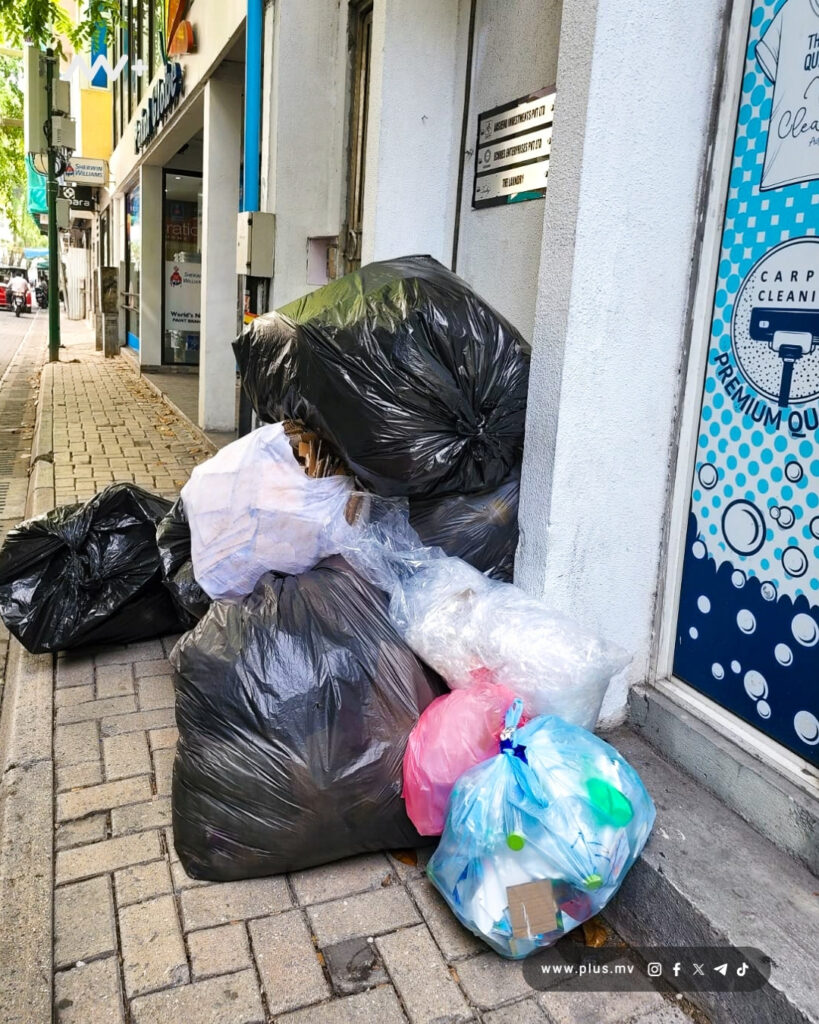
The scale of waste collected from the flats reflects the extent of the issue. On the night of February 9 alone, 17 garbage trucks each with a 25-ton capacity were emptied from FDC towers. In recent enforcement action, two individuals were fined a total of MVR 8,000 after evidence linked them to illegal dumping around the towers in Phase II.
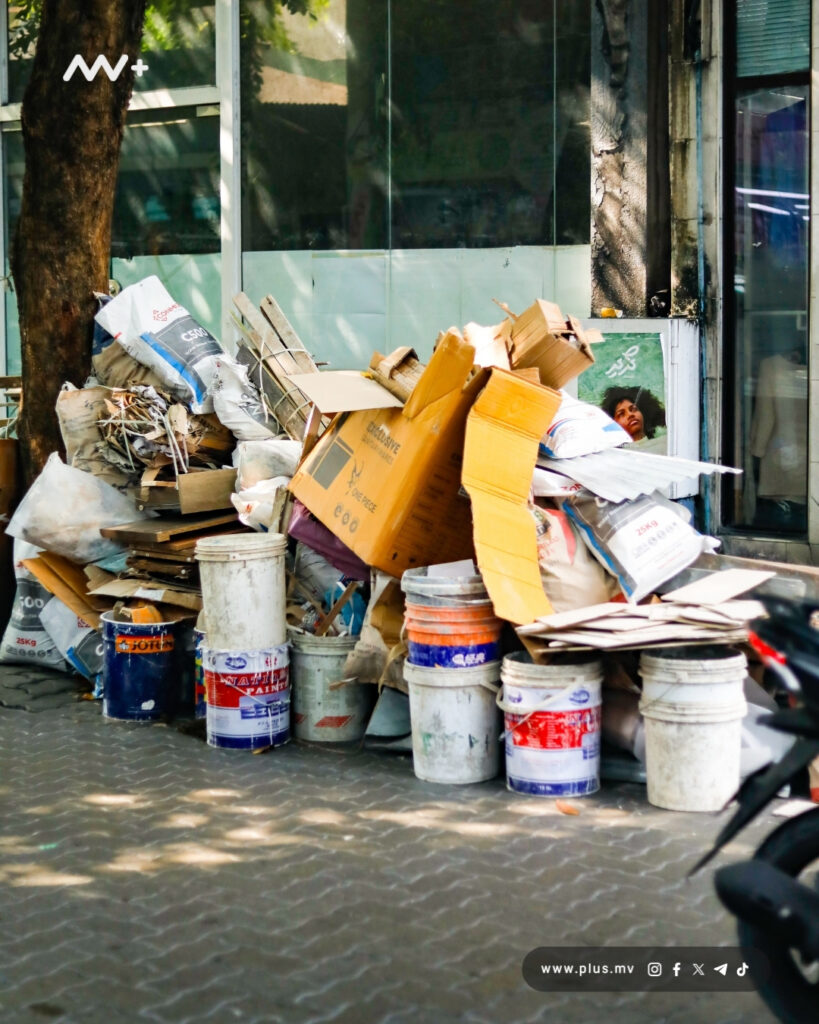
FDC has also issued a warning to residents of the 4,000-unit “Amaan Towers” complex that fines will be imposed on those who continue to breach waste management regulations. The corporation said it had received numerous complaints about rubbish being left in common areas and on ground floors, creating inconvenience for residents and potential public health risks.
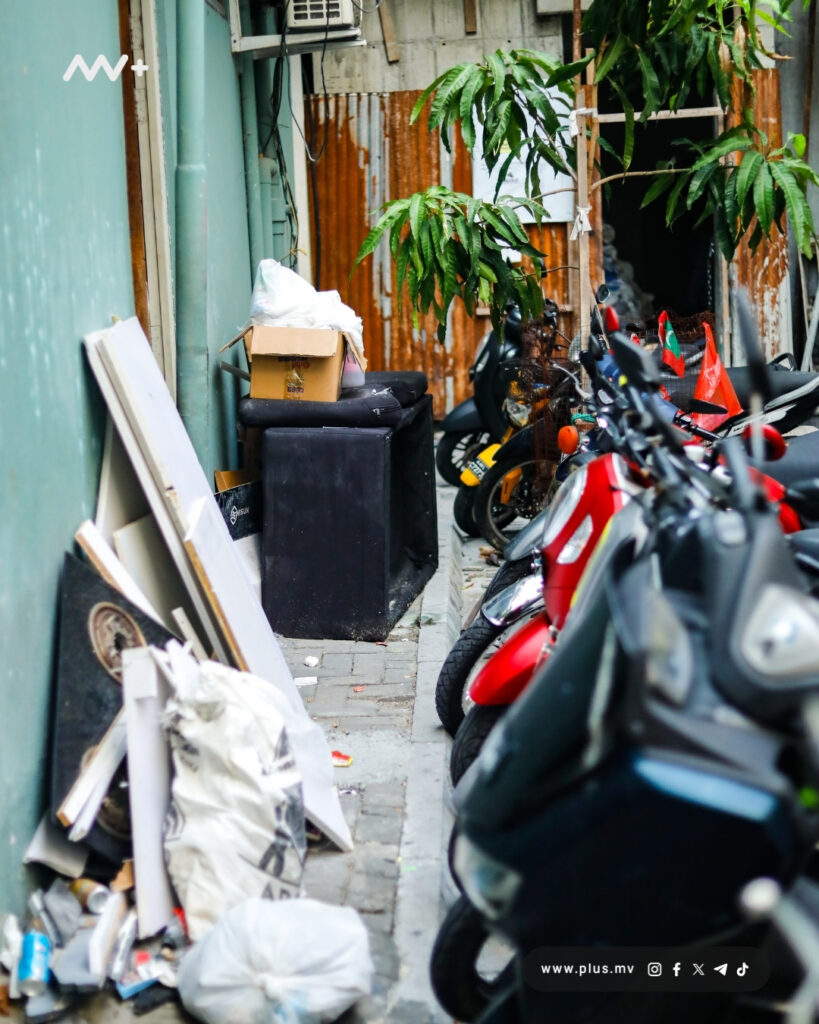
Garbage dumping is not limited to Hulhumalé. In Malé and surrounding areas, roadsides frequently see piles of discarded household items, particularly in the weeks leading up to Ramadan when large-scale home cleaning takes place.
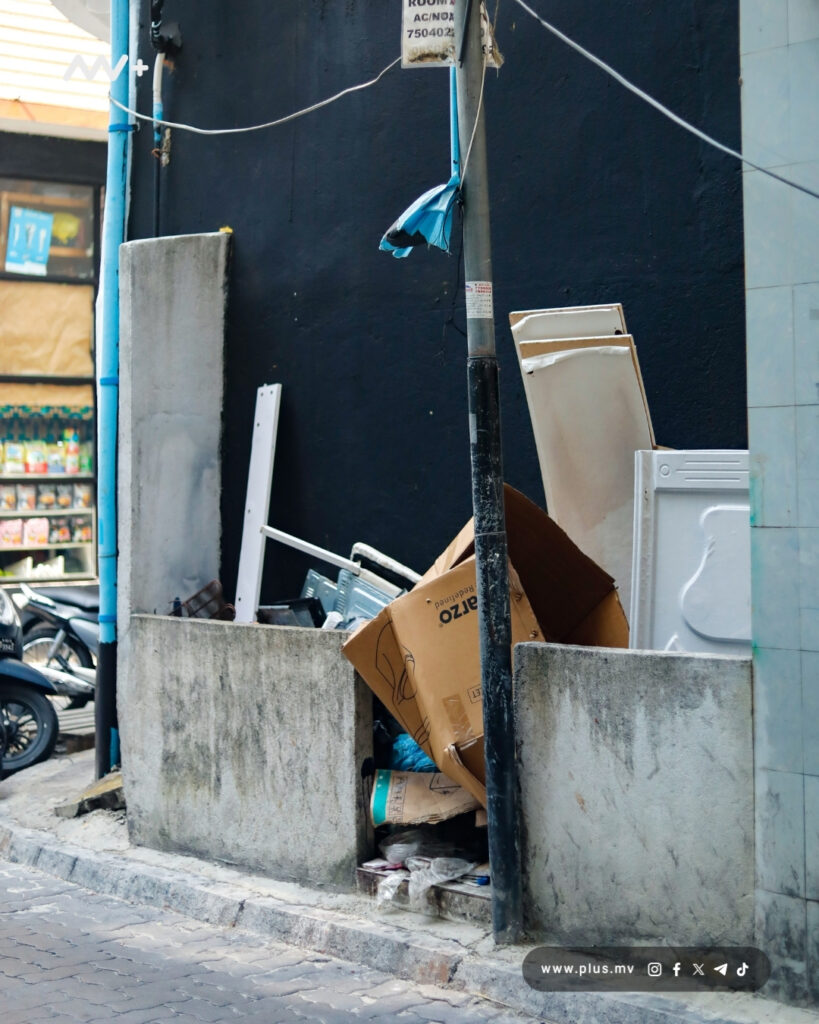
The accumulation of rubbish in shared spaces places an additional burden on neighbours, road traffic, and cleaning staff and undermines efforts to maintain orderly residential environments.