


Ministry Details Fitr Zakat Rates and Payment Channels for 1447 AH
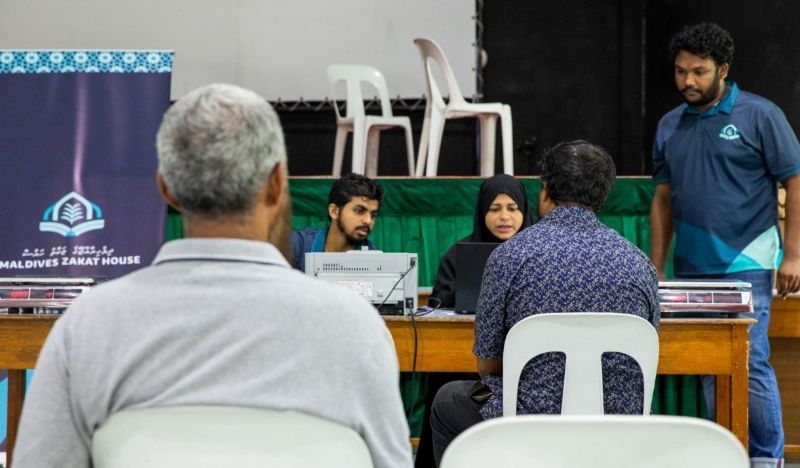
Fitr Zakat, a compulsory charitable contribution due before Eid al-Fitr prayers in Islam | Photo: Maldives Zakat House
The Ministry of Islamic Affairs has announced the arrangements for the collection of Fitr Zakat during Ramadan 1447 AH.
According to the Ministry, online collection will commence on the first day of Ramadan and continue until 6:00am on the 27th day of the month from the following online portals.
Online payment options
A range of digital payment channels has been made available to facilitate convenient payment of Fitr Zakat. These include:
- Dhiraagu (Dhiraagu App, Dhiraagu Pay, SMS)
- Ooredoo (m-Faisaa, SMS)
- Maldives Islamic Bank (Faisaa Mobile X, Faisaa Net)
- Bank of Maldives
- FahiPay
- Avas App
- Bandeyri Pay (via the Ministry of Finance portal)
The Ministry noted that payments through Bandeyri Pay and FahiPay will be accepted until the final day of Ramadan.
Counter payments
For individuals unfamiliar with online payment methods, particularly the elderly, a physical collection counter has been set up at the Islamic Centre’s seminar hall in Malé.
On islands outside Malé, cash payments will be collected by the respective Island and City Councils.
Counter service hours are as follows:
- 22 February – 9 March: 10:00am to 1:00pm (on working days)
- 10 March – 19 March: 11:00am to 2:00pm (daily except Fridays and Saturdays)
The President has declared the final ten days of Ramadan as government holidays.
Zakat rates for 1447 AH
The amount of Fitr Zakat is determined based on the local market value of 2.4kg of the type of rice or flour commonly consumed by the individual. The rates are as follows:
Item Price (MVR) Regular Rice 12/- Thailand White Rice 53/- Red Rice 96/- Basmati Rice (Regular) 77/- Basmati Rice (High Quality) 109/- Basmati Rice (Premium) 136/- Regular Flour 10/- Atta Flour 75/-
Fitr Zakat, a compulsory charitable contribution due before Eid al-Fitr prayers, is intended to purify one’s fast and ensure that those in need can also partake in the joy of Eid. Paid on behalf of each household member, it reflects the spirit of solidarity and social responsibility that underpins Ramadan, reinforcing the principle that no one should be left behind during the celebration.